
Last updated November 25, 2026
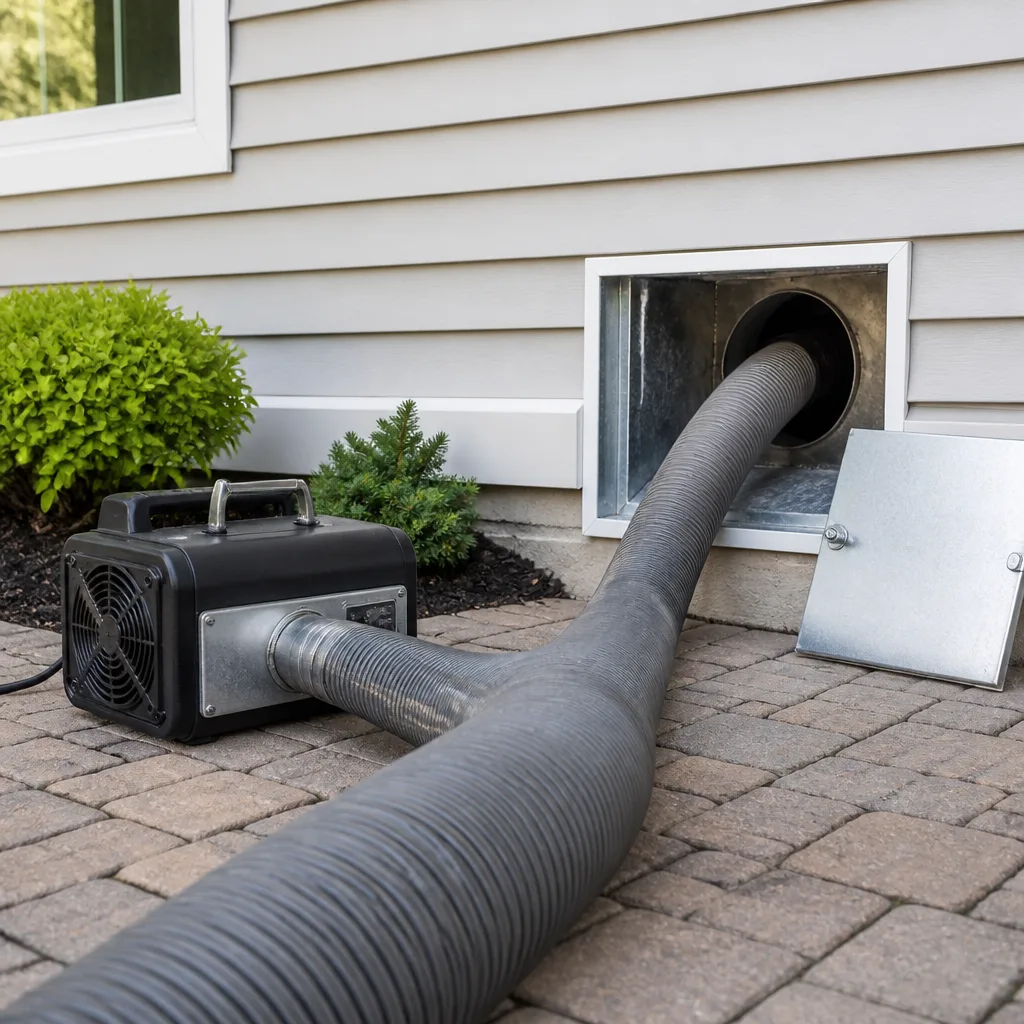 Whole-home duct cleaning
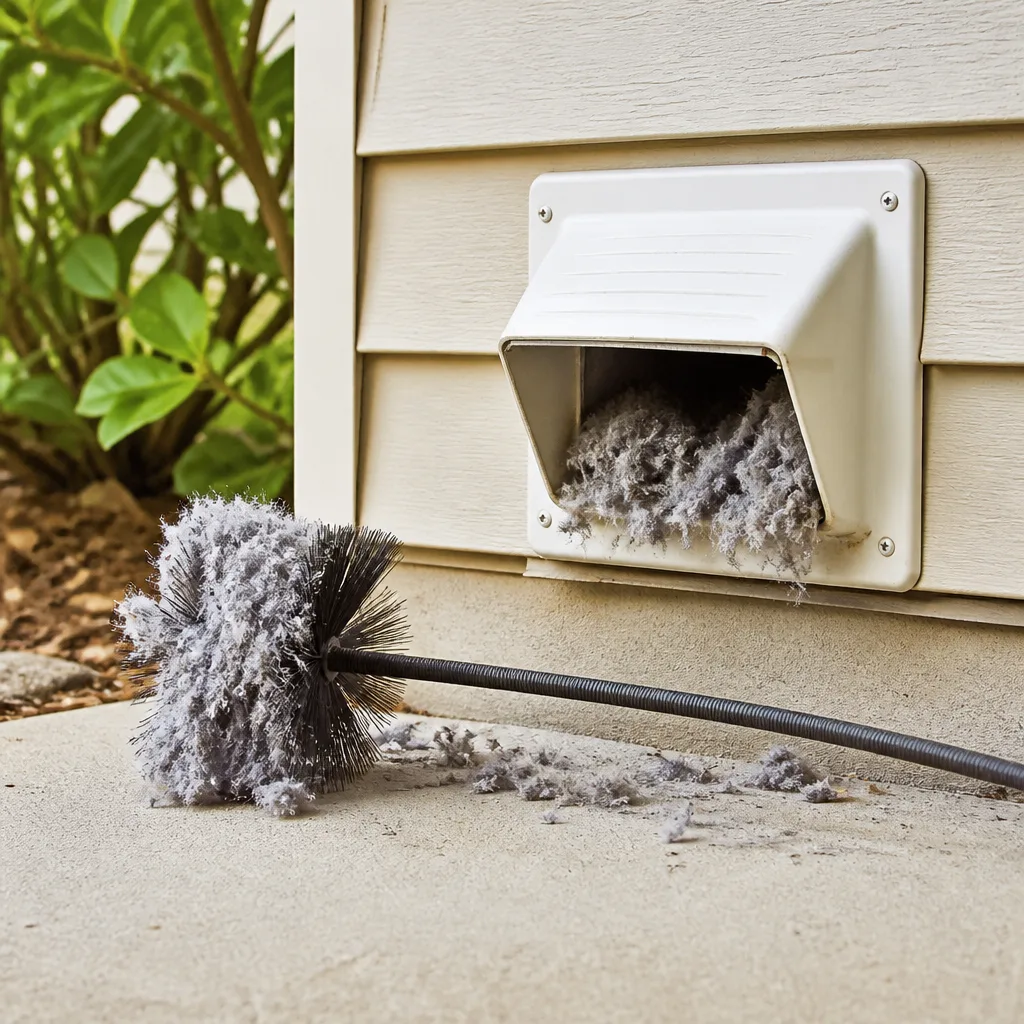 Dryer vent cleaning
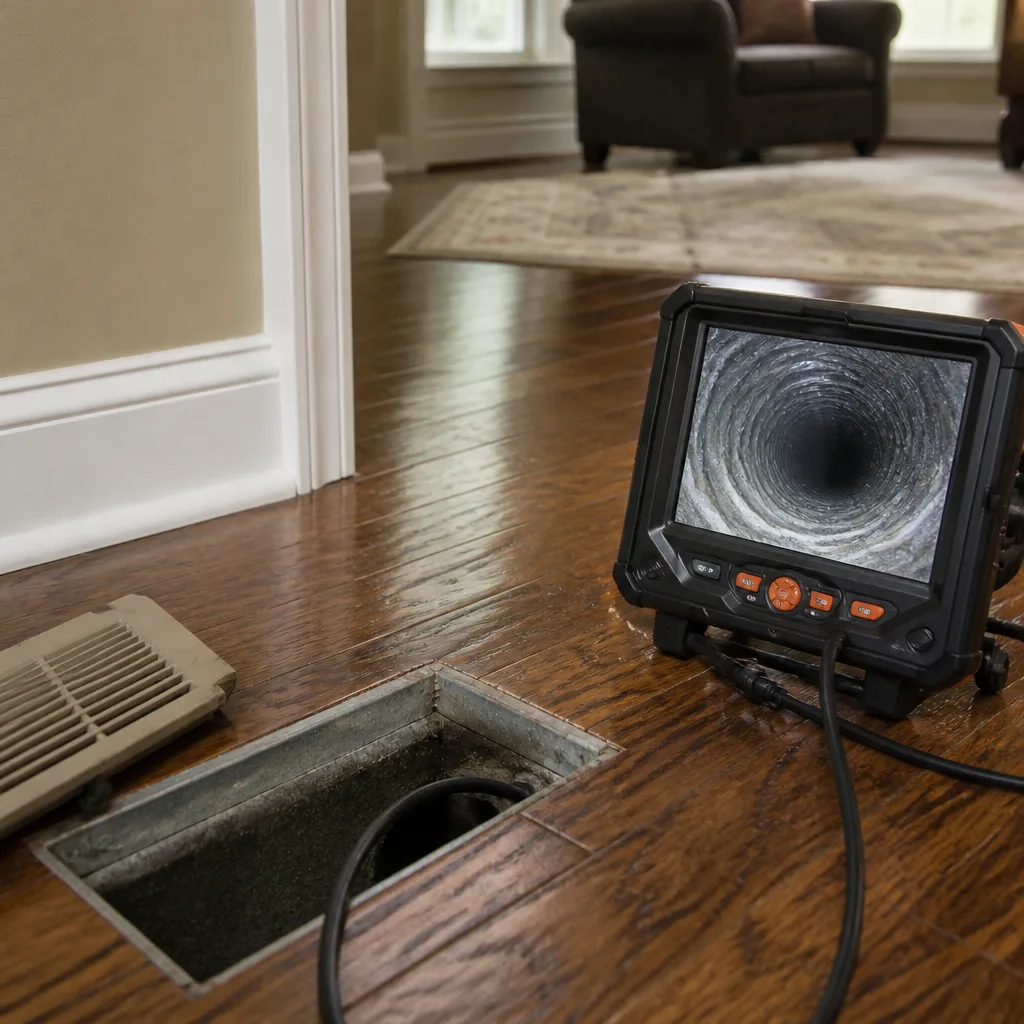 Camera inspection
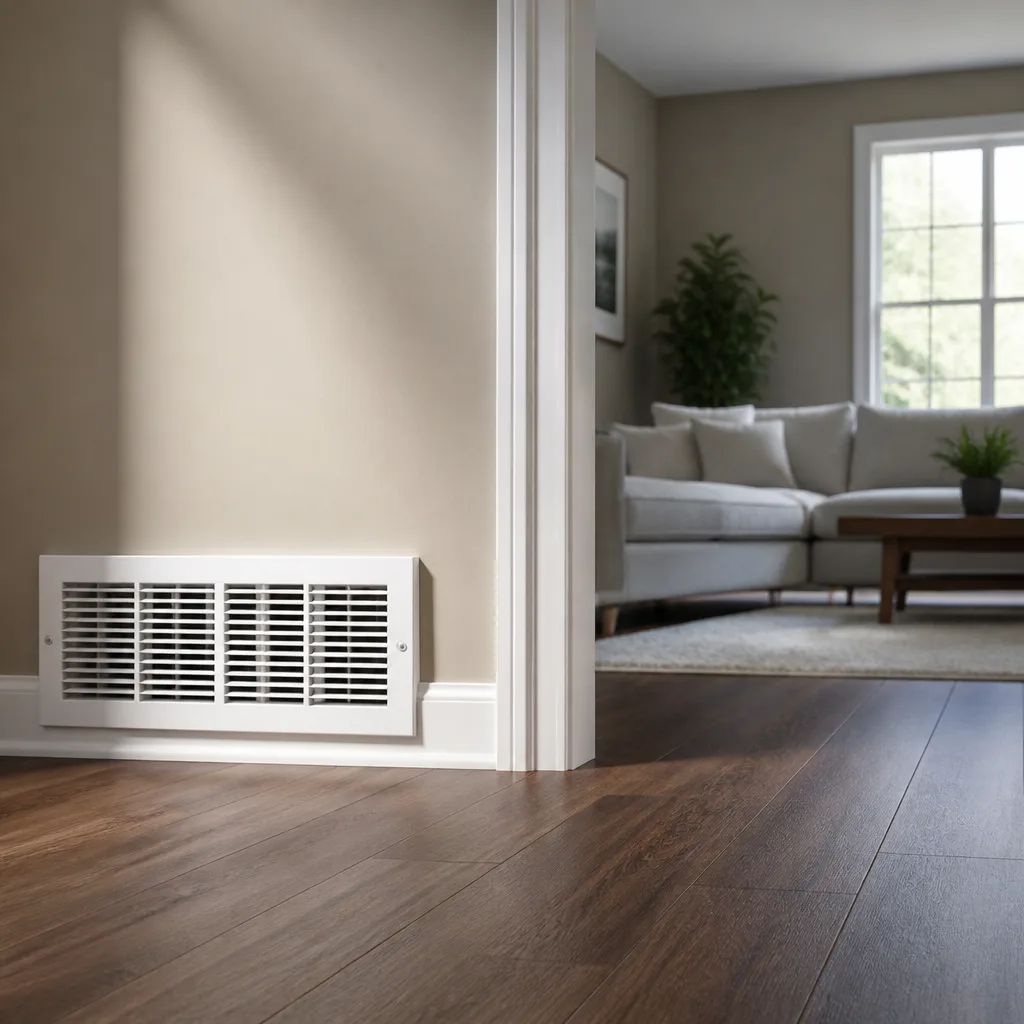 Sanitizing & deodorizing
Whole-system duct and dryer vent check with before-and-after photos - you see exactly what came out of your vents
That "$99 whole-house special" is a bait ad - the real number appears once they are in your hallway, or the "clean" is a shop-vac at the register. We photograph the inside of your ducts before and after instead.
Air Duct Cleaning Maintenance Checklist for Brighton Homeowners
A filter change every 90 days feels like maintenance. It’s the task every HVAC company mentions, the one printed on the filter wrapper, the one that makes you feel like you’ve handled it. But a filter change tells you nothing about what’s accumulating inside the duct runs where no filter reaches. The supply trunk that feeds your upstairs bedrooms. The return chase behind the kitchen wall. The branch line to the register above the garage door. Brighton homes sit on the Front Range where wind moves agricultural dust off the fields east of town, where wildfire smoke rolls in from the mountains some summers, and where dry winters pull moisture out of every joint and seam in a duct system. A filter does its job at the air handler. It does nothing for the miles of ductwork downstream. This guide gives you a structured checklist to track the whole system, season by season, so you know what to watch, what you can check yourself, and what needs a professional.
Quick Answer
A good air duct cleaning maintenance checklist for a Brighton home covers three layers: what you can observe and log yourself (register output, dust patterns, filter loading, utility bill trends), what you schedule seasonally (filter swaps, register wipe-downs, post-service inspections), and what only a duct cleaning professional can assess and fix (interior buildup, microbial growth, seam failure, air loss). The full inspection cycle runs once a year for most homes, with trigger-based cleanings whenever construction dust, wildfire smoke, or a renovation pushes debris into the system.
Styles & brands we work with
- Whole-home duct cleaning
- Dryer vent cleaning
- Camera inspection
- Sanitizing & deodorizing
Table of Contents
- Why Brighton Homes Need a Duct-Specific Checklist
- The Room-by-Room Register Inspection You Can Do Yourself
- Brighton’s Seasonal Trigger Calendar
- Logging Duct History and Correlating It With HVAC Performance
- What to Check After Every HVAC Service Visit
- DIY-Observable vs. Contractor-Required: An Honest Split
- What Professional Duct Cleaning Actually Involves
- When to Call a Professional
Why Brighton Homes Need a Duct-Specific Checklist
Brighton sits northeast of Denver where the plains meet the foothills, and that geography decides what ends up in your ductwork. The prevailing winds off the eastern prairie carry fine agricultural particulate from the farm fields that surround the town. Most of it is silt-sized or smaller, and it slips past standard filters during the heating season when the system runs hardest. On top of that, Brighton has seen steady residential construction over the past several years, and new-build dust from framing, drywall, and concrete work travels. A house that sits within sight of an active subdivision for a year accumulates construction dust in its ducts whether or not anyone has touched the system.
Add wildfire smoke. Colorado’s Front Range fire seasons have pushed smoke into Brighton more than once in recent years, and smoke carries fine particulates that coat the inside of duct runs and cling to the blower wheel. Add dry winters with indoor humidity that drops into the teens, which dries out flex duct seams and makes mechanical joints loosen. Add the normal burden of a household with pets, kids, or anyone with allergies.
None of those factors show up in a filter-change habit. A filter tells you the filter is dirty. It doesn’t tell you the return duct behind it has a half-inch of settled dust, or that a disconnected branch line in the crawlspace is pulling attic air into a bedroom. A checklist that follows the whole system catches those things. That’s the difference between maintaining a filter and maintaining a duct system.
The Room-by-Room Register Inspection You Can Do Yourself
You don’t need to open the system to get a rough read on buildup. A walk through every room with a flashlight and a notepad tells you more than you’d expect. Do this once in the fall before heating season and once in spring before cooling season. It takes about 20 minutes in a typical Brighton house.
- Photograph the register grill before you touch it. Flat grills in floor registers collect dust on the outside. A photo gives you a baseline so you can compare after cleaning and after several weeks. If dust reappears on the grill face within a week of wiping it, the buildup is coming from inside the duct, not from room dust settling.
- Check each register’s airflow with a piece of tissue. Hold a single ply of tissue over the register while the system runs. It should pull flat or blow outward steadily. A register that pushes noticeably less air than the others often points to a crushed or disconnected branch line, a closed damper, or heavy buildup upstream.
- Look for dust streaks around the inside frame. Shine a light at an angle across the register opening. Streaking or a dark halo on the inside lip means air is moving past the frame with a heavy particulate load.
- Sniff for mustiness when you lift the grill. A faint damp smell at a register is the clearest sign of microbial activity in the duct. Stop there and note it; don’t go poking inside the run.
- Check registers in every room, including closets, bathrooms, and the basement. Registers in little-used rooms are easy to skip and often reveal the worst buildup because the airflow is low.
- Note the location and condition of the return air grills. Most Brighton homes have one large central return and a few smaller ones. A return grill that loads up with lint quickly sits closest to the worst accumulation.
- Record which rooms feel harder to heat or cool for no obvious reason. A bedroom that ran fine two winters ago and now feels stuffy or slow to warm is complaining about its duct, not its window.
Write all of this down in a single notebook or a note on your phone. The pattern across seasons is what matters. A single grimy register is normal. Four registers failing at once is a system problem.
Brighton’s Seasonal Trigger Calendar
Every duct system has a natural annual rhythm, and in Brighton that rhythm has specific triggers worth marking on the calendar. These aren’t strict dates. They’re conditions that, when they happen, mean it’s time to check the duct system more carefully.
- Spring thaw (March-April): Groundwater table rises, crawlspaces and basements get damper, and any duct runs in those spaces pick up moisture. This is the best time to inspect the ducts in unconditioned areas and check for condensation or mold growth. Brighton’s dry winters make people forget that spring moisture can be just as damaging.
- Agricultural dust season (April-June): The farm fields east of town start moving soil with spring winds. Homes with windows open during the day pull fine silt into the return side of the system. Anyone with a return near a window or door on the south or east side of the house should expect faster loading during this window.
- Wildfire smoke events (June-September): When smoke pushes into the Front Range and air quality alerts reach Brighton, the system runs with windows closed and the filter loads faster. Run the system fan longer during these weeks, change the filter early, and note the events in the log. After a heavy smoke week, a professional duct cleaning inspection is worth scheduling.
- Construction dust (any month): If a subdivision is going up within a few blocks, or you’re remodeling, expect construction dust in the ducts within weeks. Run a filter with a higher MERV rating through the project and schedule a professional cleaning after the last drywall sanding.
- First cold snap (October-November): The heating season starts and the system runs constantly. This is the cleaning season to schedule an annual inspection if you haven’t done one. Register airflow is easiest to measure before heavy heating use.
- Post-holiday reset (January): Winter indoor air is dry and the system has been running for months. If you’re going to clean and sanitize the system, this is when the dust from the previous year’s heating season has finished settling.
One important detail: if you have a home with a dryer vent routed through an interior wall, the seasonal rhythm for dryer vent cleaning matters more than most homeowners realize. Dryer vent cleaning removes lint that accumulates all year and reduces a fire risk that no other household appliance shares. We’ll come back to that in the mistakes section.
Logging Duct History and Correlating It With HVAC Performance
The single change that turns a duct cleaning from a one-time chore into genuine maintenance is keeping a log. It doesn’t have to be sophisticated. A single page with dates and a handful of data points is enough to compare seasons and spot trends before they get expensive.
Here’s what to track, and why each item earns its place:
- Date and scope of each professional cleaning. Note whether the work included a full-system clean, a partial clean, duct repair, sealing, sanitizing, or dryer vent cleaning. You’ll want to know which services have been done when a new issue appears.
- Filter type and change interval. Record the MERV rating and how many days it actually took to load up. If a filter that used to last 90 days now loads in 45, something has changed in the ducts.
- Utility bill month-over-month, cooling and heating. A gradual rise in heating and cooling costs with no rate increase usually points to air loss, blocked ducts, or a failing seal. It’s the cheapest diagnostic signal a homeowner has.
- Static pressure complaints. Note any room that has gotten harder to condition. Static pressure isn’t something you can measure without a gauge, but “this room feels weak” written next to a date shows the pattern before it gets blamed on weather.
- Construction, renovation, and smoke events. Note them with dates. Each one is a reason to advance your next inspection.
- Post-service notes. Any time an HVAC technician has opened the air handler, written the date in the log. There’s a section below on why.
- Register-by-register observations. Copy the results of your room-by-room inspection into the log. When you have five years of register walkthroughs and one year where the picture changes, that’s the signal.
We mention keeping this log because duct maintenance is the one indoor system that gets blamed for problems caused elsewhere. A log gives you and any contractor a clean record to work from, and it separates an actual duct problem from a system that just needs a new filter.
What to Check After Every HVAC Service Visit
HVAC service visits are where duct systems get quietly compromised. A technician opens the air handler to change a blower motor, service the evaporator coil, or check a heat exchanger. When the panels go back on, the duct system reseals only as well as the access panels and transition seams allow. Most of the time the job is closed out cleanly. Sometimes the panel gasket gets folded, or the tape on a duct transition peels and doesn’t get re-taped, or a flex duct run stretched during service doesn’t get restrapped. Those are small openings that leak a little air year after year. With 14 years of experience, our technicians have seen how this plays out across a lot of Brighton homes.
After any service visit, do these checks:
- Walk every register and confirm airflow is unchanged or better. If a room that worked before now blows weak, call the HVAC contractor back before any other work. A stretched or kinked flex run is common after a blower swap.
- Look at the indoor unit area. Shine a light at the duct transition from the furnace or air handler cabinet. Peeling foil tape, gaps at the plenum, or a seam that looks opened is worth noting and addressing.
- Check for construction debris in the supply registers closest to the air handler. Metal shavings, tape bits, or insulation that fell into the system during the service can travel to the nearest registers. If anything appears, don’t run the system until it’s removed.
- Confirm the access panel is fully seated and the filter door is closed tight. A filter door left ajar makes the system suck unconditioned attic or garage air through the filter slot. That’s an easy 10-minute check.
- Note the service date and every detail in your log. If you ever have a static pressure complaint or a room that suddenly underperforms, the connection back to a service visit is exactly what you need to have written down.
These are cheap checks that take a few minutes and prevent the most common post-service problem we see in Brighton homes: a duct system that gets slightly less sealed with every service visit until someone realizes the home has been losing 5-10% of its conditioned air through small gaps. If you’d rather have a trained eye look at it, our HVAC cleaning service includes a full-system review of the air handler side.
DIY-Observable vs. Contractor-Required: An Honest Split
Not everything on this checklist is something you can or should do yourself. The split below is the honest version. We’re a duct cleaning specialist, so there’s a natural interest in telling you everything requires us. Some of it does. A lot of it doesn’t.
What you can check and do yourself
- Register and grill inspections. You can measure airflow with a tissue, note dust patterns, and photograph every register. This is the foundation of your log.
- Filter changes and filter tracking. You should own this completely. A filter change is a 3-minute job and the single most frequent maintenance task on the system.
- External vent checks. Walk around the outside of the house and look at the dryer vent flap and the fresh-air intakes. Lint around the dryer flap, or a vent flap that won’t seal, tells you a lot.
- Baseline documentation. Photos, notes, utility bills, and dates.
What needs a professional
- Interior duct condition assessment. You can’t properly see inside a duct run without a camera and the right equipment. Our air duct cleaning includes source removal of debris down the full length of every run, with professional-grade equipment from Rotobrush and Nikro that reaches what a shop vac can’t.
- Sanitizing for microbial concerns. If a register smells musty or the crawlspace ducts got damp, sanitizing is a trained job. Contact with mold or other contaminants without proper protection is exactly the wrong thing to try on your own.
- Duct repair and sealing. Disconnected runs, failed seams, and crushed flex duct require surgery, not maintenance. Sealing is what turns a clean duct system into an efficient one. We’re careful to say this is the half of the job most duct cleaners skip.
- Dryer vent interior cleaning. The duct inside the wall needs proper equipment. Dryer vent cleaning done with a brush and vacuum from outside pulls the lint out of the run without the risk of driving it deeper.
- Static pressure and airflow measurement. A static pressure reading taken at the plenum tells you exactly how hard the system is working against restriction. That’s gauge work, and the data matters.
What Professional Duct Cleaning Actually Involves
The difference between a professional duct cleaning and a homeowner’s best effort isn’t brute force, it’s equipment and access. Professional-grade equipment from Rotobrush and Nikro runs an agitation line through each duct to break loose the settled dust and a high-volume negative-pressure vacuum to capture it. A shop vac pulls air from a single point with no agitation. The dust stays where it settled. Consumer-grade equipment can stir some of the debris, but with no negative pressure to capture it, you can push airborne particulate out through every register and into the room while you’re working.
The second layer is sanitizing. When a duct system has had moisture in it, or has been exposed to fire smoke, sanitizing the interior matters for the same reason cleaning does. Our Abatement Technologies equipment comes from the same category of tools used in professional remediation work, and it’s designed to handle contaminants, allergens, and microbial concerns at the scale of a whole residential system.
The third layer, and the one most homeowners don’t realize exists, is duct repair and sealing. Clean ducts are only half the story. A clean duct system with a disconnected branch line is still wasting conditioned air into the attic. Sealing restores that airflow to the rooms where it belongs. When we schedule a duct cleaning, we look for those structural issues as the system gets cleaned. If a technician finds a crushed run or a failed seam, fixing it belongs in the same visit.
On compatibility: many Brighton homes have premium air quality equipment installed by the previous owner, or added during a remodel. We work on systems with Honeywell and Aprilaire controls and filtration regularly, and our service approach keeps those components out of the way during cleaning rather than working around them badly. If you’ve invested in a good system, you want a specialist who knows what they’re looking at. For the full picture of our service menu, take a look at Brighton Air Duct Cleaning Pros.
See the difference
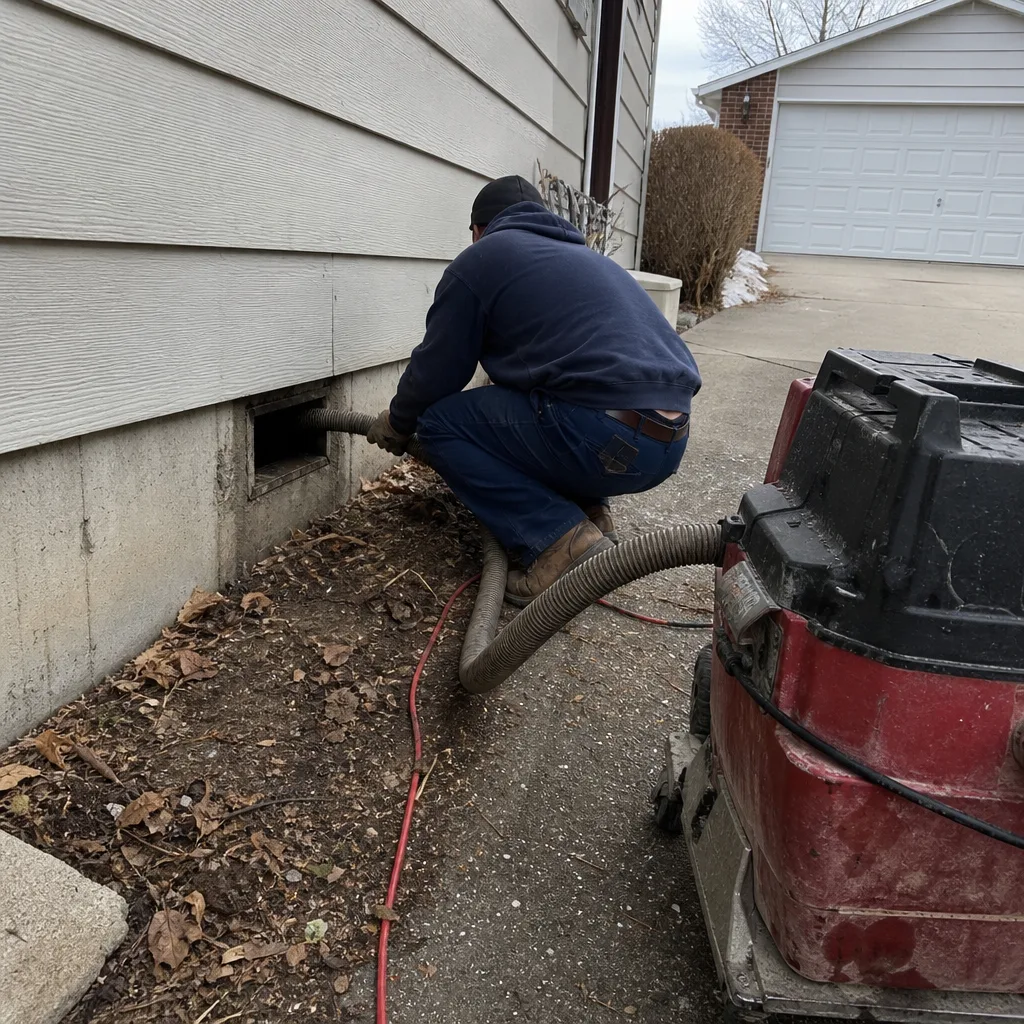 Before
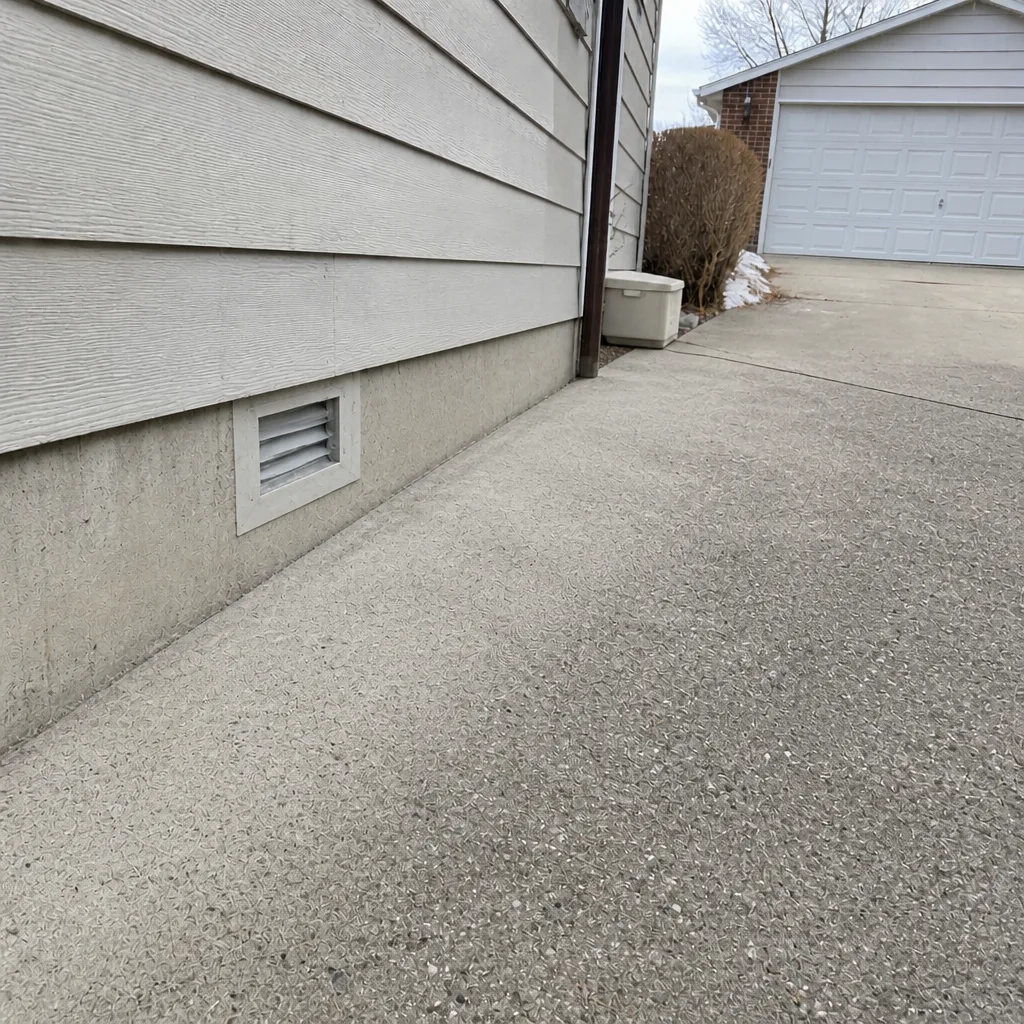 After
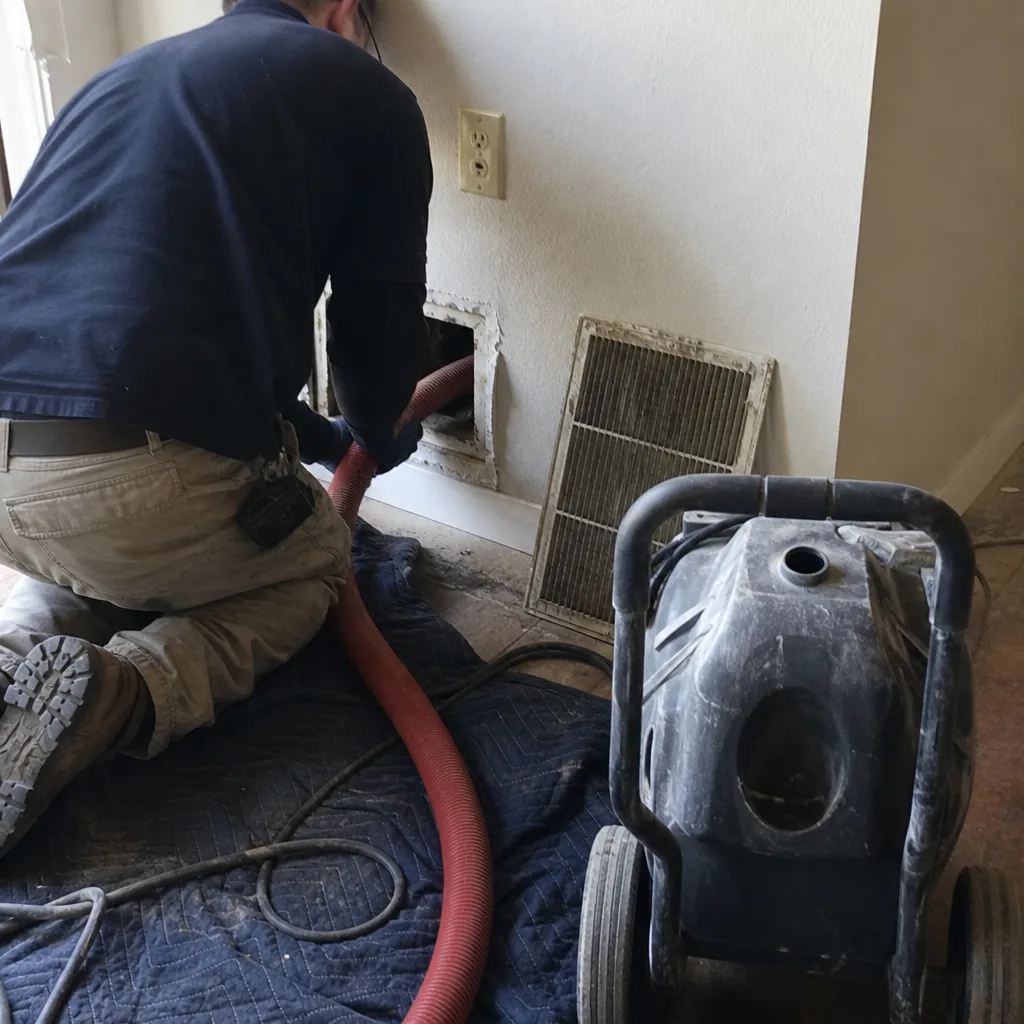 Before
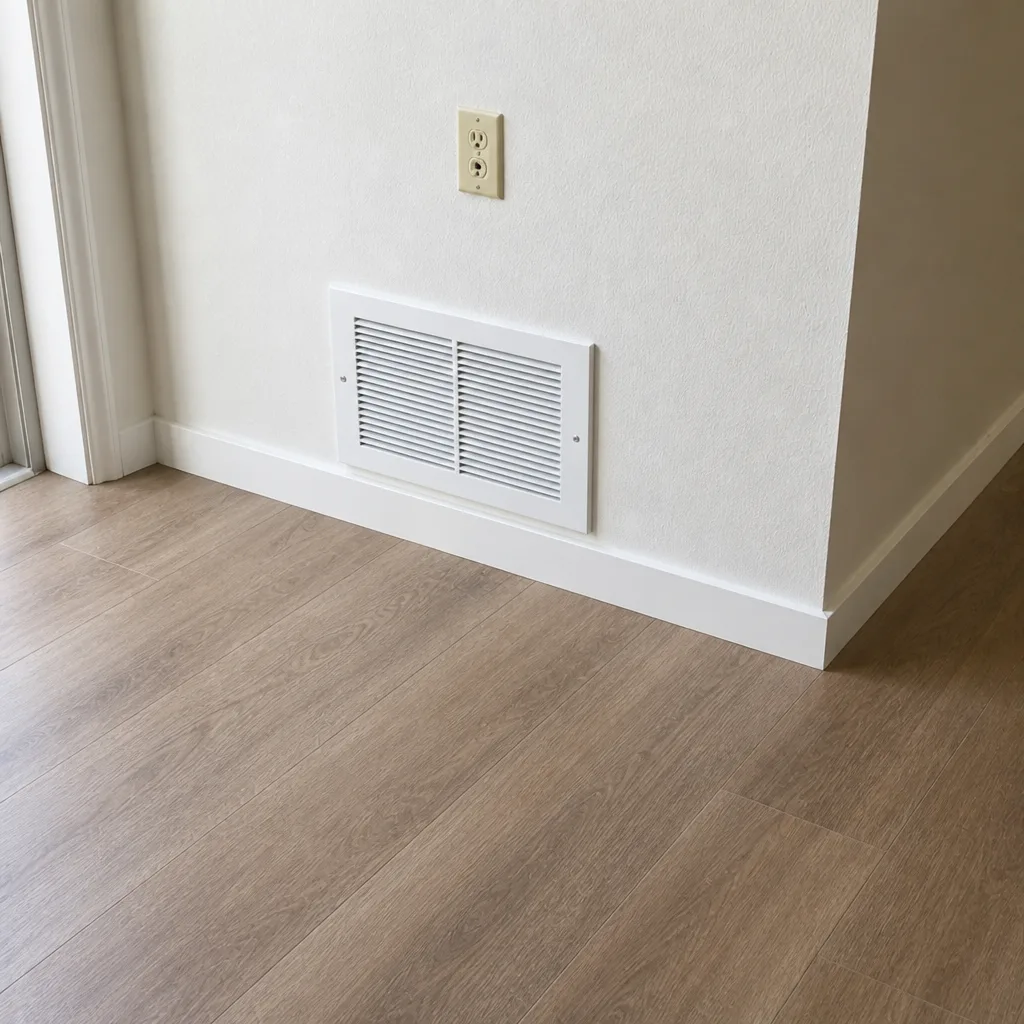 After
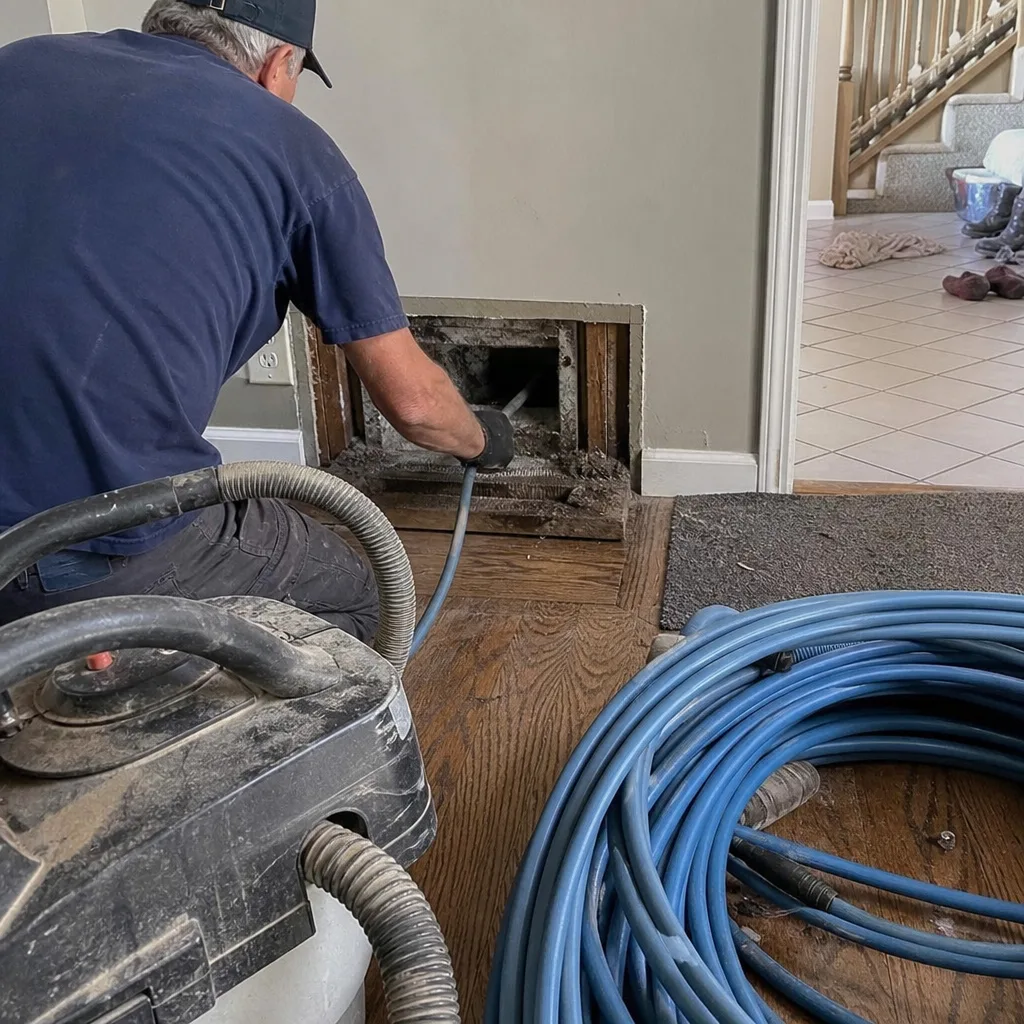 Before
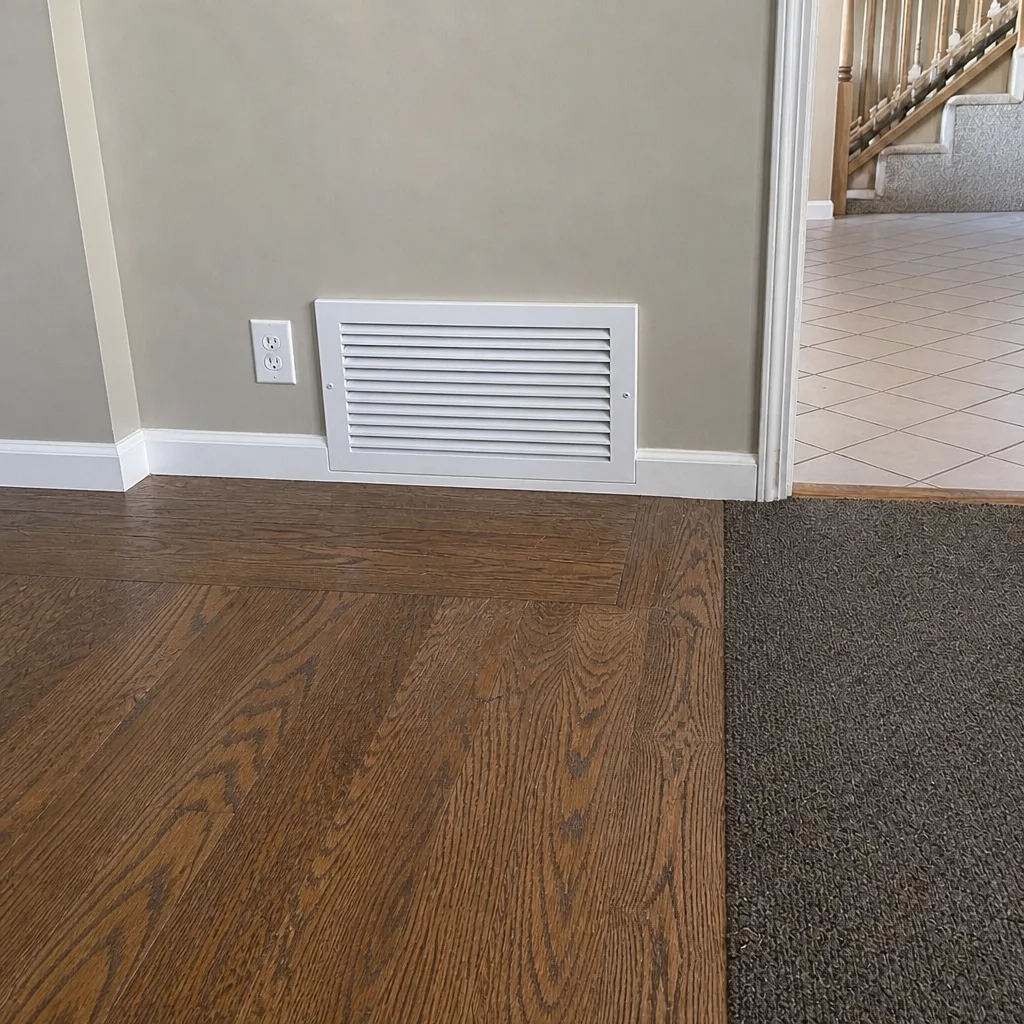 After
Common Mistakes to Avoid
- Assuming a filter change covers duct maintenance. A new filter cleans air at the air handler and nothing more. Duct interiors don’t get touched, and the first sign of buildup is usually a smell or a stubborn dusty room. Both are frequent in Brighton homes with multiple pets or a household member with allergies.
- Hiring the cheapest coupon quote. Duct cleaning is the service with the most bait-and-switch reputation in the home services industry. A low coupon price often becomes a much larger invoice once the technician is on site. We recommend asking for a flat price per system before anyone arrives, and confirming that includes the full duct run and not just the easily accessible sections. Honest whole-system pricing is the only thing comparable.
- Skipping the dryer vent because it feels unrelated. The dryer vent is a fire safety system. Lint accumulates there every load, all year. Forgetting it is one of the few duct-adjacent mistakes that could cost more than money.
- Cleaning but not sealing. A clean system with a bad seal loses the air you paid to clean. If a duct contractor doesn’t offer duct repair and sealing, you’re getting half the service you need.
- Ignoring the construction dust from a neighborhood buildout. New construction within sight of the house should be on your trigger calendar. The season a subdivision goes up nearby is the season to check the duct interiors.
- Cleaning too aggressively out of anxiety. Duct cleaning is not something to repeat every few months. An annual inspection with trigger-based cleanings is the right rhythm for most Brighton homes. Over-cleaning wastes money and doesn’t produce better air.
- Forgetting to log it. If you can’t remember when the ducts were last cleaned or which service the duct contractor performed, you don’t have a maintenance history. You have a guess. The log is what turns the checklist into a real maintenance program.
When to Call a Professional
Call a professional duct cleaning specialist when you notice the same problem across multiple rooms at the same time: several registers blowing weak, a musty smell in more than one area, dust reappearing on register grills within a week of cleaning, or heating and cooling costs rising without a rate change. Call if a household member has developed new respiratory symptoms that worsen at home. Call after a major renovation, after a nearby construction period, or after a notable wildfire smoke event. Call at least once a year for an inspection if you want to stay ahead of it. And call if your dryer vent is overdue – that one deserves priority. Brighton Air Duct Cleaning Pros offers free estimates in Brighton. Call (877) 770-1719.
When you call, we answer 24/7. Fast dispatch from 7am to 7pm, Sunday through Friday.
Frequently Asked Questions
Once a year for an inspection and trigger-based cleaning is the right rhythm for most Brighton homes. That means a full professional cleaning roughly every two to three years for typical households, sooner if you’ve had a renovation, a nearby construction buildout, a heavy wildfire smoke event, or pets and allergy sufferers in the house. Call (877) 770-1719 for an exact quote – estimates are free.
Whole-system duct cleaning in the Brighton area typically runs in the several-hundred-dollar range depending on system size, number of registers, accessibility, and whether sanitizing or duct repair is included. We don’t quote per-vent prices because that’s how the industry gets its bait-and-switch reputation. We agree on one flat price per system before any work starts, with before-and-after photos of your own ducts. Call (877) 770-1719 for an exact quote – estimates are free.
Because the low price usually covers only a partial clean of the easily reachable runs, and the full system cost appears as an add-on once the technician is on site. A quote that doesn’t specify the full duct run, the air handler, and the number of registers is not comparable. Ask for a flat price per system. Call (877) 770-1719 for a free estimate.
Ask for before-and-after photos of your own ducts, taken during the cleaning. A duct cleaning specialist using professional-grade equipment can document the access points and the before-and-after condition. If a contractor won’t show you photos, that’s your answer. Call (877) 770-1719 for a free estimate on documented cleaning.
Slightly more urgent, for a couple of reasons. Dry winters pull moisture out of flexible duct seams and mechanical joints, which makes seals fail faster and lets attic air leak in. Dry indoor air also thickens the settled dust layer on duct interiors, which sends more of it airborne when the system runs. The spring moisture from the ground thaw then creates the opposite problem: damp crawlspace ducts. Brighton’s seasonal swing between dry and damp is harder on ducts than a stable climate. Call (877) 770-1719 to schedule an inspection.
Yes, when the schedule allows, same-day service is often possible. Call (877) 770-1719 for a free estimate and we can confirm what’s open. We answer 24/7. Fast dispatch from 7am to 7pm, Sunday through Friday.
The Bottom Line
Duct maintenance isn’t a filter change. It’s a log, a walkthrough, and a seasonal rhythm that reflects the specific conditions of Brighton: agricultural particulate from the eastern fields, wildfire smoke in the summer, dry winters that pull seams open, and new-construction dust whenever the neighborhood adds a buildout. Do the cheap checks yourself; document everything; and let a specialist handle the interior condition, sanitizing, and duct repair when the checklist points that way. If you’re ready to arrange an inspection, our team at Brighton Air Duct Cleaning Pros handles the whole chain: cleaning, sanitizing, dryer vent, HVAC cleaning, and duct repair and sealing. Call (877) 770-1719 for a free estimate today.
Written by the team at Brighton Air Duct Cleaning Pros.