
Last updated November 25, 2026
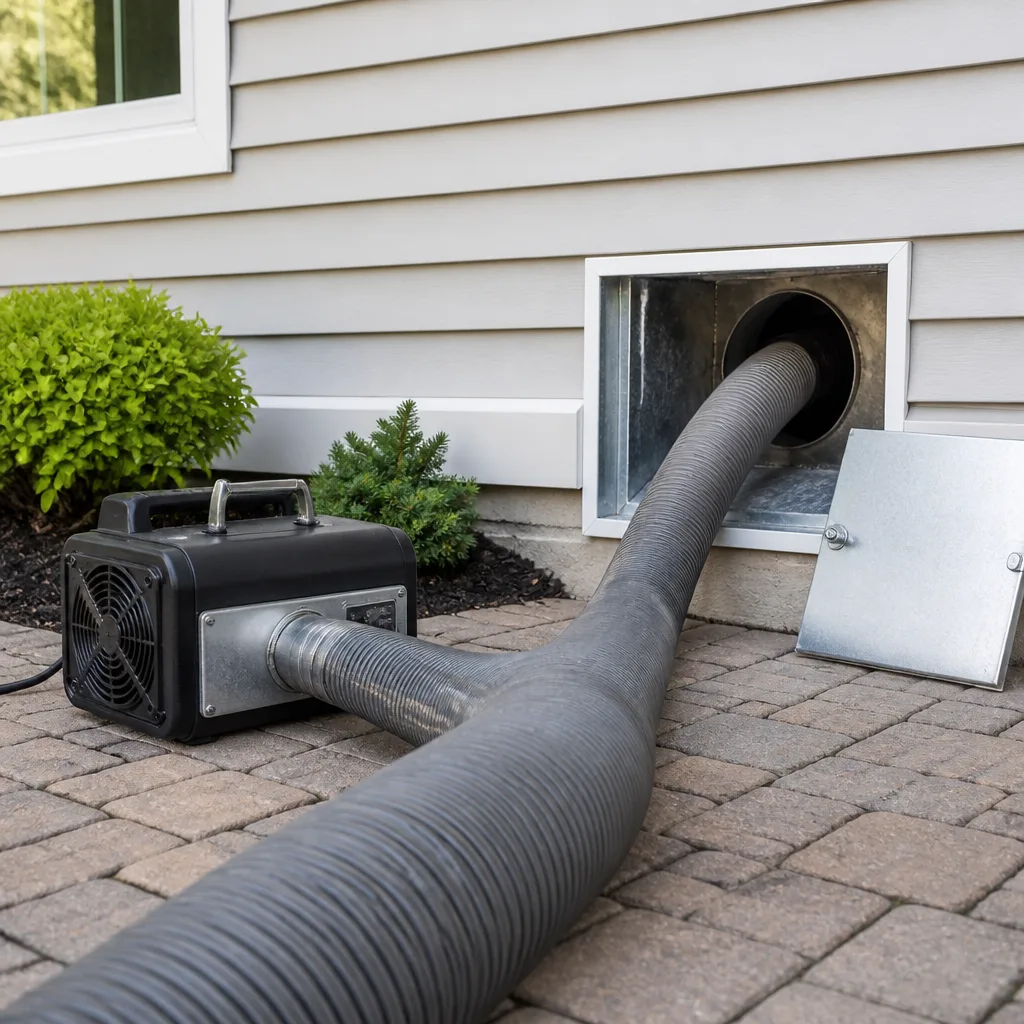 Whole-home duct cleaning
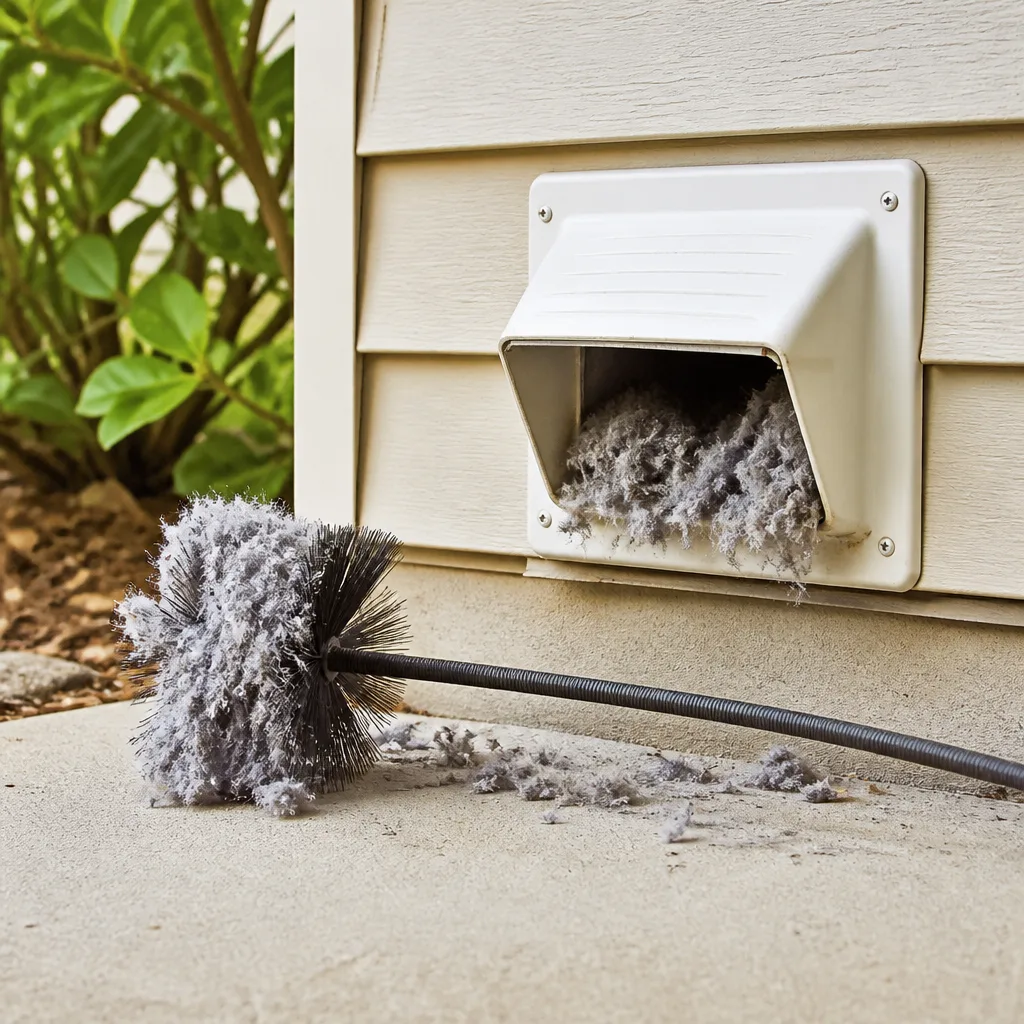 Dryer vent cleaning
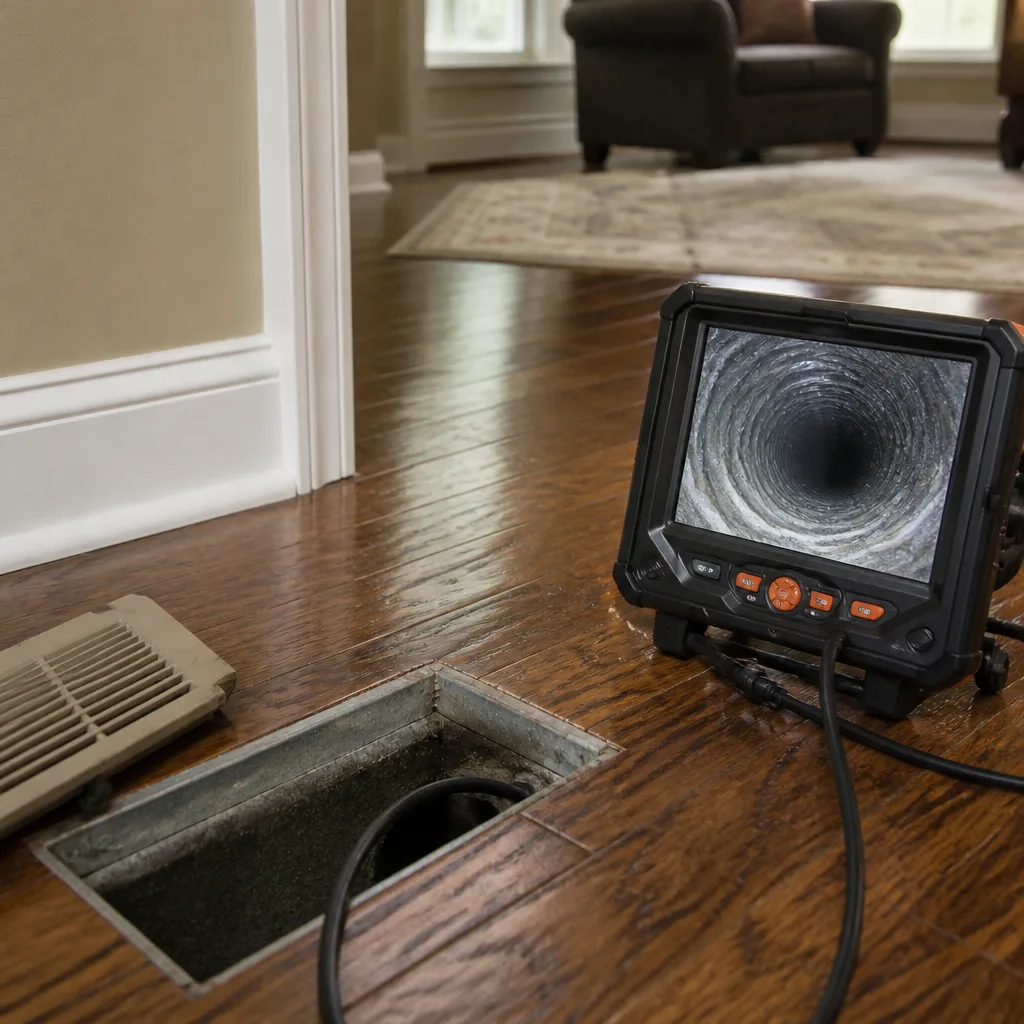 Camera inspection
 Sanitizing & deodorizing
Whole-system duct and dryer vent check with before-and-after photos - you see exactly what came out of your vents
That "$99 whole-house special" is a bait ad - the real number appears once they are in your hallway, or the "clean" is a shop-vac at the register. We photograph the inside of your ducts before and after instead.
Air Duct Cleaning Warning Signs: A Brighton Homeowner’s Reference Guide
Visible dust on a supply register is a late indicator, not an early one. If you can see gray buildup at the vent face, the duct run behind it has been collecting the same material for far longer, and the register is simply where the accumulation finally reaches the surface. That gap between what you can see and what is actually happening inside the system is the reason most Brighton homeowners call about duct cleaning years after they first should have. This guide covers the observable, specific indicators worth acting on, the ones worth monitoring, and how to tell normal dust from the conditions that need a different response entirely. We’ll also separate signs that cleaning fixes from signs that require repair.
Quick Answer
The main warning signs of a duct system that needs professional attention in Brighton are musty or stale odors during HVAC operation, visible mold at registers or on the furnace plenum, pest debris, uneven airflow between rooms, rattling or gaps at register boots, and a pattern of allergy symptoms that improves away from home. Visible dust alone is the weakest signal and usually shows up last. Signs of moisture, mold or pest activity warrant prompt action. Barely visible dust and mild seasonal symptoms can be monitored on a schedule.
Styles & brands we work with
- Whole-home duct cleaning
- Dryer vent cleaning
- Camera inspection
- Sanitizing & deodorizing
Table of Contents
- Why Visible Dust Is the Last Sign You’ll Notice
- Normal Dust vs. Mold vs. Pest vs. Leakage: Telling Them Apart
- What Musty or Stale Odors During HVAC Operation Actually Mean
- Allergy and Respiratory Patterns That Point to Ducts
- Physical Duct Damage: Rattling, Airflow Imbalance, and Boot Gaps
- The Brighton Remodel Warning Sign Nobody Warns You About
- Which Signs Need Immediate Action and Which Can Wait
- How a Professional Actually Inspects a Duct System
Why Visible Dust Is the Last Sign You’ll Notice
Think about how dust reaches a register. Air passes through the return, travels the length of a duct run, and exits a supply boot into a room. Particles settle along that whole path. The accumulation starts at the far end, in the flexible runs and the trunk line, and only reaches the register face once everything upstream is already loaded. A light gray film on the vent cover is the announcement that the system has been quietly charging for a while.
This matters because the reflex most Brighton homeowners have is to wipe the register and call it handled. Wiping the vent face removes roughly the visible portion of the problem. The dirt that matters is inside the run, on the interior walls and along the seams, where a rag cannot reach and a shop vac will simply move it around.
There are better early indicators, and they’re the ones worth watching:
- A dusty smell that appears only when the furnace or air conditioner kicks on, then fades
- Dust settling faster in rooms at the end of the longest duct runs
- Laundry or furniture near registers collecting a film within days of cleaning
- A filter that loads up noticeably sooner than it used to
- Visible debris at the return grille rather than the supply
If a couple of those sound familiar, the system is telling you something before the vents do. Brighton sits at the edge of the Front Range where heating season is long and the furnace runs hard from October into April, so accumulation happens faster here than in milder climates. That’s not a reason to panic about dust. It’s a reason to read the early signals instead of waiting for the visible ones.
Normal Dust vs. Mold vs. Pest vs. Leakage: Telling Them Apart
Four different problems all look a little like dirty ducts, and each needs a different response. Getting this distinction right is the single most useful thing in this guide.
Ordinary dust accumulation
Gray or brown, dry, powdery, evenly distributed along duct surfaces. No smell beyond a faint dustiness. This is the cleaning-only scenario, and it’s the one most homes have. It builds steadily and doesn’t pose an acute health concern, though it does reduce system efficiency and pushes more particulate into the breathing air.
Mold growth
Mold needs moisture, so its presence tells you something upstream is wet. Look for dark, mottled patches with fuzzy or speckled texture at registers, on the furnace plenum, or on any duct surface near the cooling coil. It’s usually accompanied by a persistent musty odor that doesn’t fade after the system runs. Mold means cleaning alone isn’t the answer; the moisture source has to be found first. This is where air quality and sanitizing enters the picture, along with the remediation-grade capability Abatement Technologies equipment provides for microbial concerns.
Pest intrusion
Rodents and insects leave droppings, nesting material, and a distinct smell. Droppings are small, dark, and often concentrated near duct joints or the return where animals can access the system. This is a case where cleaning has to be paired with sealing, because the entry point will simply be reused otherwise.
Duct leakage
Not a contamination problem on its own, but it invites one. Gaps at seams, disconnected joints, or holes allow unconditioned attic or crawlspace air into the system, and that air carries dust, insulation fibers, and whatever else is in that space. Leakage shows up as airflow imbalance and higher energy use before it shows up as visible dirt.
The response ladder looks like this:
- Dust only: schedule cleaning on a sensible interval, no urgency.
- Leakage suspected: cleaning plus inspection for gaps, and repair before the next season.
- Pest activity: clean, sanitize, and seal the entry point.
- Mold: find and correct the moisture source, then clean and sanitize. Cleaning mold without fixing the moisture just lets it return.
What Musty or Stale Odors During HVAC Operation Actually Mean
An odor that appears when the system starts and fades when it stops is telling you the smell lives in the ductwork or the air handler, not the room. That timing is the diagnostic. Odors that persist in a room regardless of the HVAC cycle come from somewhere else entirely.
Here’s how to trace it before assuming duct cleaning is the fix:
- Note the timing. Odor only during operation points to the system. Odor all the time points to the room or the building.
- Check which cycle triggers it. A smell on the cooling cycle suggests moisture around the coil or drain pan. A smell on the heating cycle can be dust burning off the heat exchanger, which fades on its own, or a more concerning issue if it’s acrid or smells of exhaust.
- Sniff the return grille directly. Strong odor at the return confirms the contamination is inside the system.
- Rule out the obvious external sources. A bathroom exhaust fan venting into the attic, a damp basement, or a newly installed carpet can all mimic a duct problem.
- If the return smells strongly and the odor is musty or earthy, treat it as a moisture indicator and get the coil and duct interior inspected.
The most common mistake with a musty smell is paying for cleaning and finding the odor back in a few weeks. That happens when the moisture source was never addressed. A thorough inspection looks at the cooling coil, the drain pan, and any duct section running through unconditioned space before recommending anything. If the smell is sweet or chemical rather than musty, stop using the system and contact your gas utility or a qualified HVAC professional; that’s outside what duct cleaning addresses, and we’re the first to say so.
Allergy and Respiratory Patterns That Point to Ducts
Duct contamination produces specific symptom patterns that differ from other indoor air quality sources. Someone with dust or mold sensitivity may notice airway irritation that builds over a season rather than appearing suddenly. The pattern matters more than any single symptom.
What correlations genuinely point toward the ducts:
- Symptoms that improve away from home. If you feel clearer by midmorning at work and congested again shortly after arriving home, the home environment is the likely contributor.
- Timing tied to the HVAC cycle. Symptoms that flare when the furnace or AC starts and settle when it stops point to the ducts.
- Concentration in specific rooms. If the primary bedroom and the room at the end of the longest duct run are consistently worse, that’s the duct system talking, not the house in general.
- Post-renovation onset. Symptoms that begin after a remodel are worth investigating against construction dust infiltration.
What points elsewhere: symptoms that are constant across all locations and seasons suggest a different cause. Carpet fibers, humidity above recommended indoor ranges, and combustion byproducts from an unvented appliance all produce airway irritation without any duct involvement. So does a poorly maintained air filter, which is a five-minute fix worth checking before spending a dollar on duct work.
We’re not making a medical claim here, and we don’t diagnose. If symptoms are persistent or serious, talk to a doctor. What we can say from experience is that many Brighton households report clear improvement in symptom patterns after duct cleaning and sealing, and those that don’t typically had a different source. That’s why our HVAC cleaning approach includes inspecting the air handler and coil, not just the duct runs. A clean system means clean end to end.
Physical Duct Damage: Rattling, Airflow Imbalance, and Boot Gaps
This is the category of warning sign most duct cleaners skip entirely, because it isn’t solved by cleaning. It’s solved by repair and sealing, and a specialist who only cleans will send you to a general contractor. In Brighton’s housing stock, where flexible duct in unconditioned attic and crawlspace space is common, physical damage is one of the more frequent problems we look for.
The signs to watch:
- Rattling or popping when the system runs. Loose duct sections vibrating against joists, or an inner liner that has come free inside flexible duct.
- Airflow imbalance between rooms. One bedroom always warmer or colder than the rest, or a room that barely gets air at all. This can mean a disconnected run or a crushed flexible duct.
- Visible gaps at register boots. If you can see daylight or feel a draft around the metal boot where it meets the wall or floor, that joint is leaking into the wall cavity, not the room.
- Loose or missing duct tape and mastic. Duct tape that has dried and curled is a leak, and modern code favors mastic and mechanical fastening for a reason.
- Dust streaks at joints and seams. A visible line of dirt at a seam means air is escaping there, and the dirt is the evidence.
Cleaning a duct system with open joints just recirculates what you’re trying to remove. Sealing goes after the reason the dirt is entering in the first place, not just the symptom. When we’re on site, duct repair and sealing is usually the step that turns the cleaning into a lasting improvement rather than a repeat appointment. And if a boot gap connects the system to a wall cavity, that’s a direct path for insulation fibers and dust into the living space; that alone justifies fixing it.
Watch for a combination: rattling plus uneven rooms plus dust streaks at seams. Any one of those on its own is worth a look. Three together is a duct system telling you it needs repair before it gets cleaned.
The Brighton Remodel Warning Sign Nobody Warns You About
A kitchen remodel, a basement finish, or an addition generates an enormous amount of airborne dust, and the duct system runs throughout the entire process, pulling air through unsealed returns. Returns in a home under construction aren’t sealed during rough-out, and even after the project is done, a return trunk in a wall cavity or under a floor is often poorly sealed at the boot. That’s a direct route for construction dust, drywall particulate, and sawdust into the system, and from there into the living space for years.
The signs to watch after a remodel:
- A dustier home than before the project, starting about a week after demolition
- Drywall dust visible inside the return grille
- Filters that load up faster than before
- New irritation or symptom pattern that tracks with the project’s completion
This is one of the more common calls we get from Brighton homeowners, and it’s the one where we most often find that the return ducts are the worst-saturated part of the system. The fix looks the same as a routine cleaning on the surface, but the inspection has to include the return side and the boots where they meet finished space. Sealing those joints after the cleaning means the next renovation won’t repeat the exposure.
Homes with premium air quality equipment already in place face a related issue. A Honeywell or Aprilaire filtration or humidification system passes a lot of air through it, and the ducts downstream get the same load. Compatibility with those systems is part of how we approach the work. We service around them rather than working against them, and we don’t touch settings on these systems without the homeowner’s say-so.
Which Signs Need Immediate Action and Which Can Wait
Not every sign is urgent. Here’s how we grade them.
Prompt action
- Visible mold at registers, boots, or the furnace plenum
- Pest droppings or nesting material in the ducts or at the return
- Musty odor that intensifies when the system runs and doesn’t fade
- A smelly or noisy dryer vent, which is a separate fire-safety service and should never wait
- Any sign of moisture in the ducts themselves
Schedule within the season
- Airflow imbalance between rooms
- Rattling or popping when the system cycles
- Visible gaps at register boots
- Dust streaks at seams
- Home recently renovated
Monitor over time
- Light dust on registers with no other sign
- A slight seasonal increase in allergy symptoms, checked against other sources first
- Normal filter loading intervals
If you’re unsure where a sign falls on the ladder, describe it over the phone. We answer questions the same way we answer a call for service: honestly, and with no pressure to schedule.
How a Professional Actually Inspects a Duct System
An inspection is worth understanding even if you never do one, because it tells you what a proper quote should be based on. A cursory look at the registers isn’t an inspection. Here’s what it involves.
- System walkthrough. Locating the air handler, the trunk and branch runs, and every return. Confirming which duct sections are accessible and which run through unconditioned space.
- Interior inspection with a camera. Visual confirmation of the actual condition along the duct, not just at the grille.
- Air handler and coil check. The coil, drain pan, and blower are where moisture and biological activity originate, so they get looked at directly.
- Leak and damage survey. Checking joints, boots, and flexible runs for disconnection, crushing, or gaps. This is the step that determines whether cleaning alone is sufficient.
- Return-side inspection. The return side is where post-renovation and everyday dust accumulates first, and it’s the side many cleaners skip.
Equipment matters for a full inspection and cleaning. Our approach uses Brighton Air Duct Cleaning Pros‘ professional-grade Rotobrush and Nikro systems, the same category of tools used by remediation contractors, plus Abatement Technologies equipment for the sanitizing side of the work where microbial or allergen concerns are present. That’s a level of capability above the basic shop vac and a brush. It matters most when the signs point toward mold, pest, or heavy contamination rather than light dust.
One more thing about a proper inspection: it should tell you what it won’t fix. If the ducts have a broken flexible run or a boot gap that’s leaking into a wall cavity, cleaning is only half the job, and a full-service approach has to include repair and sealing.
Common Mistakes to Avoid
- Wiping the register and assuming the problem is solved. The dust on the vent face is a tiny fraction of what’s inside the run. Wiping it removes the evidence, not the source.
- Booking a cleaning before identifying the cause. If a musty smell comes from an undersized or blocked cooling coil drain, cleaning the ducts won’t fix it. Trace the source first.
- Ignoring the dryer vent because it isn’t the same as an air duct. It’s a separate fire-safety service, and it’s often the cheapest fix with the biggest impact. If your dryer takes two cycles to dry a load or the outdoor vent flap doesn’t move, book dryer vent cleaning now.
- Skipping the return side. Return ducts are the highest-dirt part of most systems, especially after a renovation. A quote that only mentions supply runs deserves a question.
- Ignoring gaps at the boots and seams. Cleaning without sealing lets dust back into the system the next week. Repair and sealing is the step that makes cleaning last.
- Judging by price alone. A very low quote often means a surface-level vacuum pass with equipment sized for a car, not a house. Ask what equipment is used and whether the return and the air handler are included.
- Assuming a clean duct solves an airflow imbalance. A disconnected or crushed run stops airflow no matter how clean it is. That’s a repair problem.
See the difference
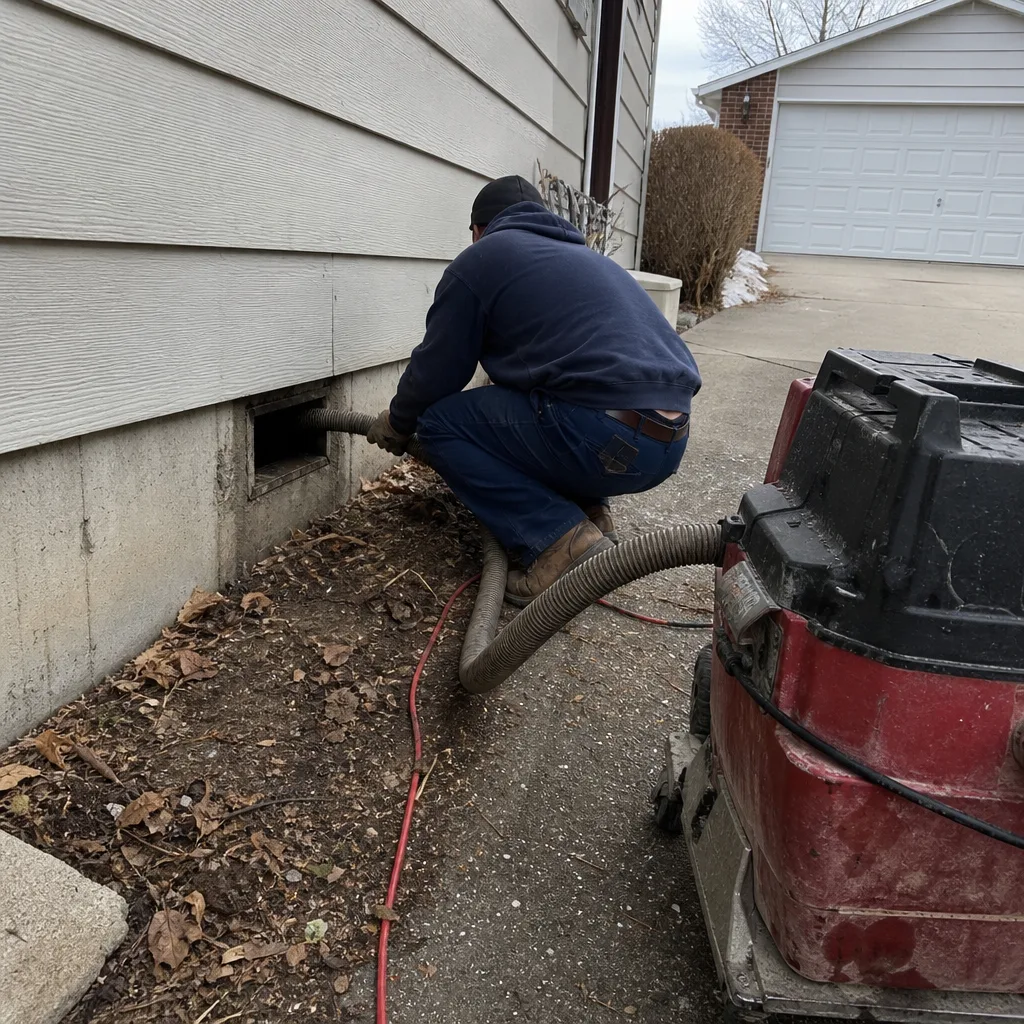 Before
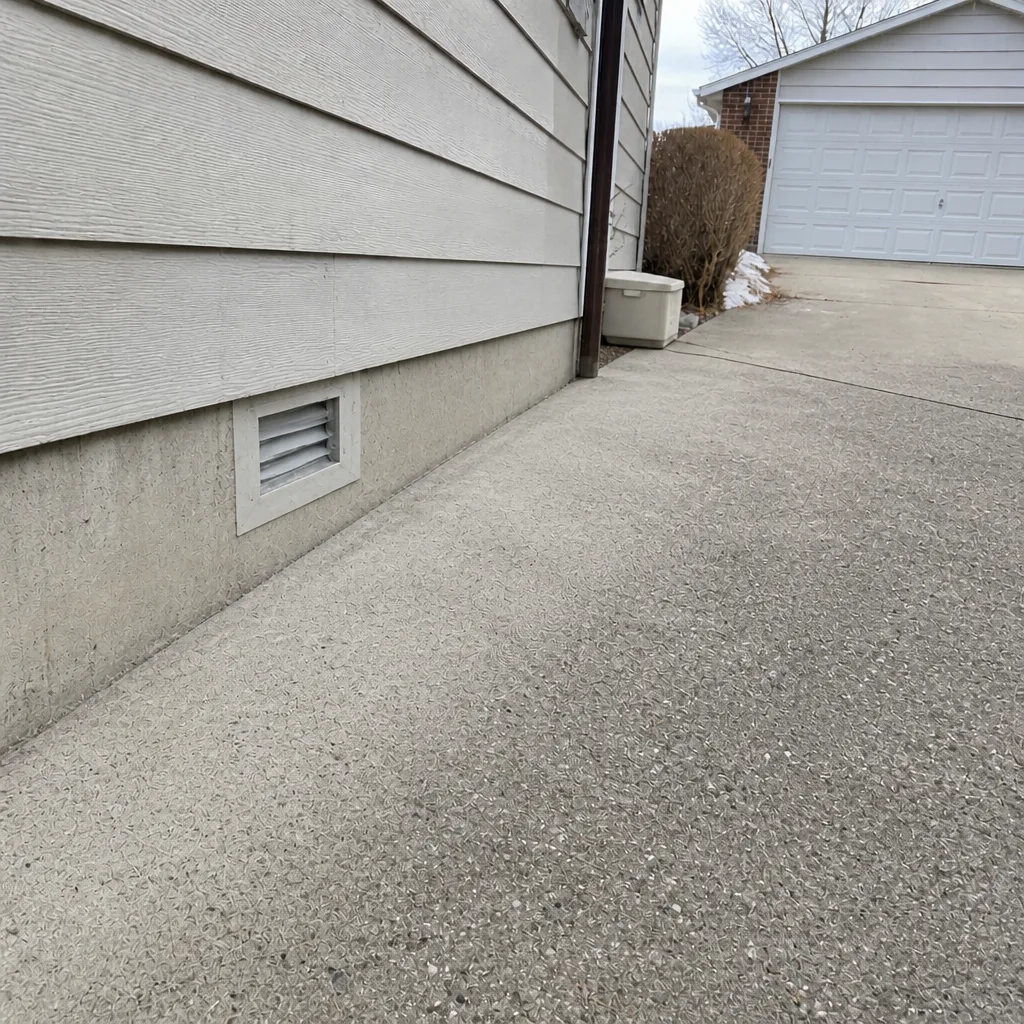 After
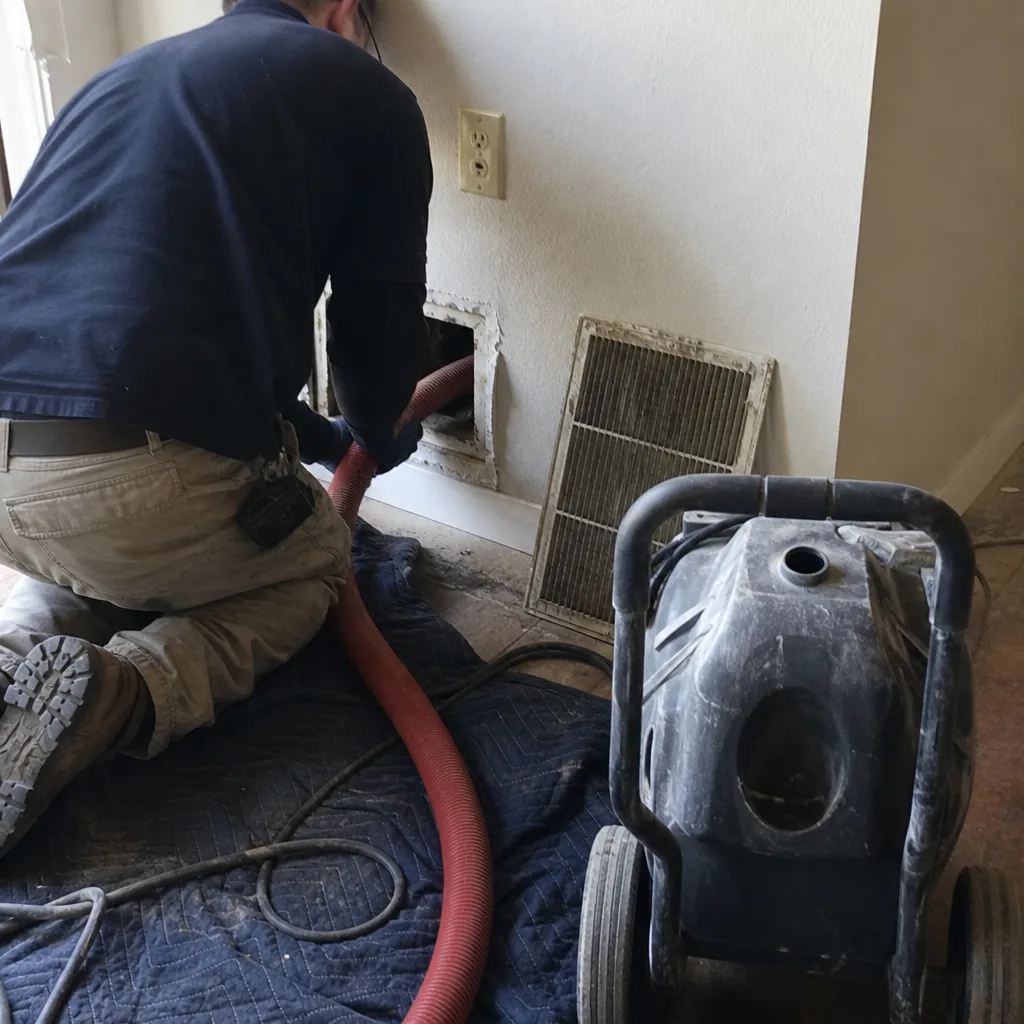 Before
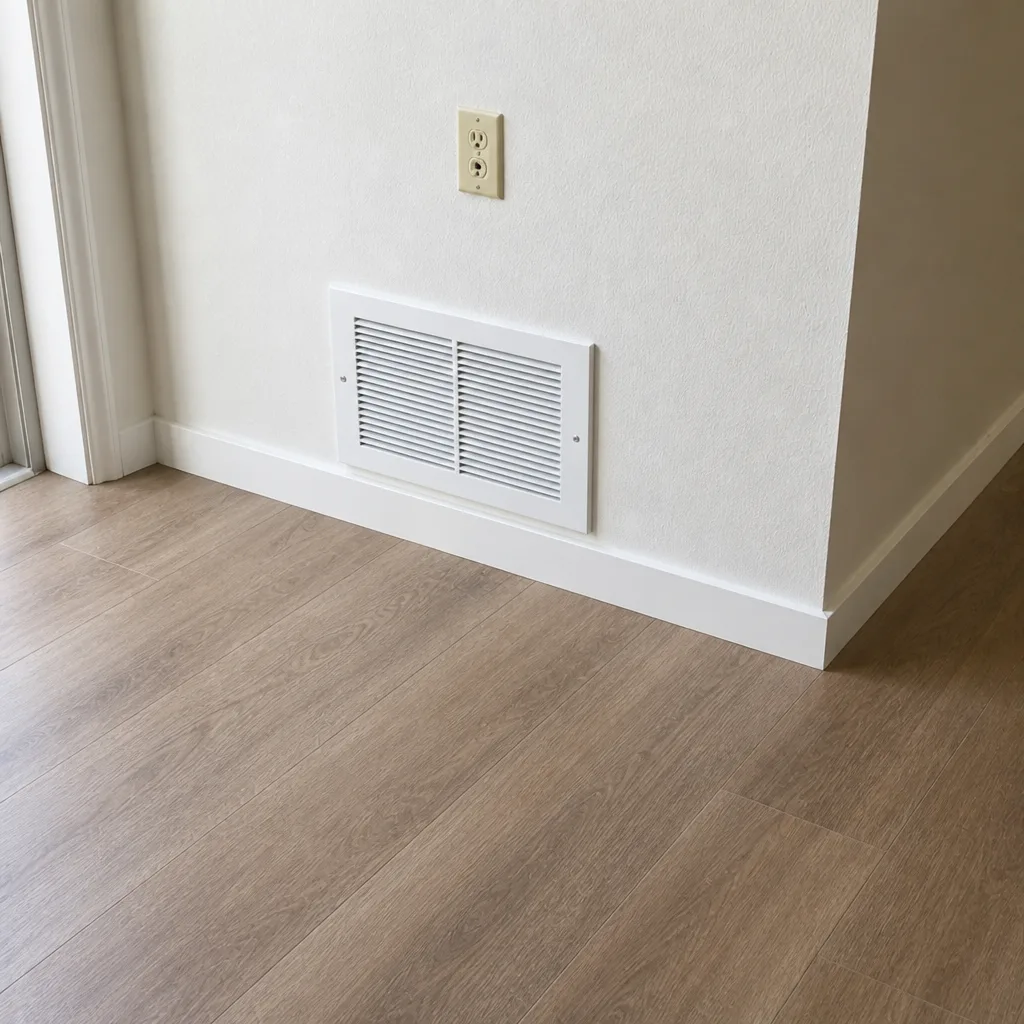 After
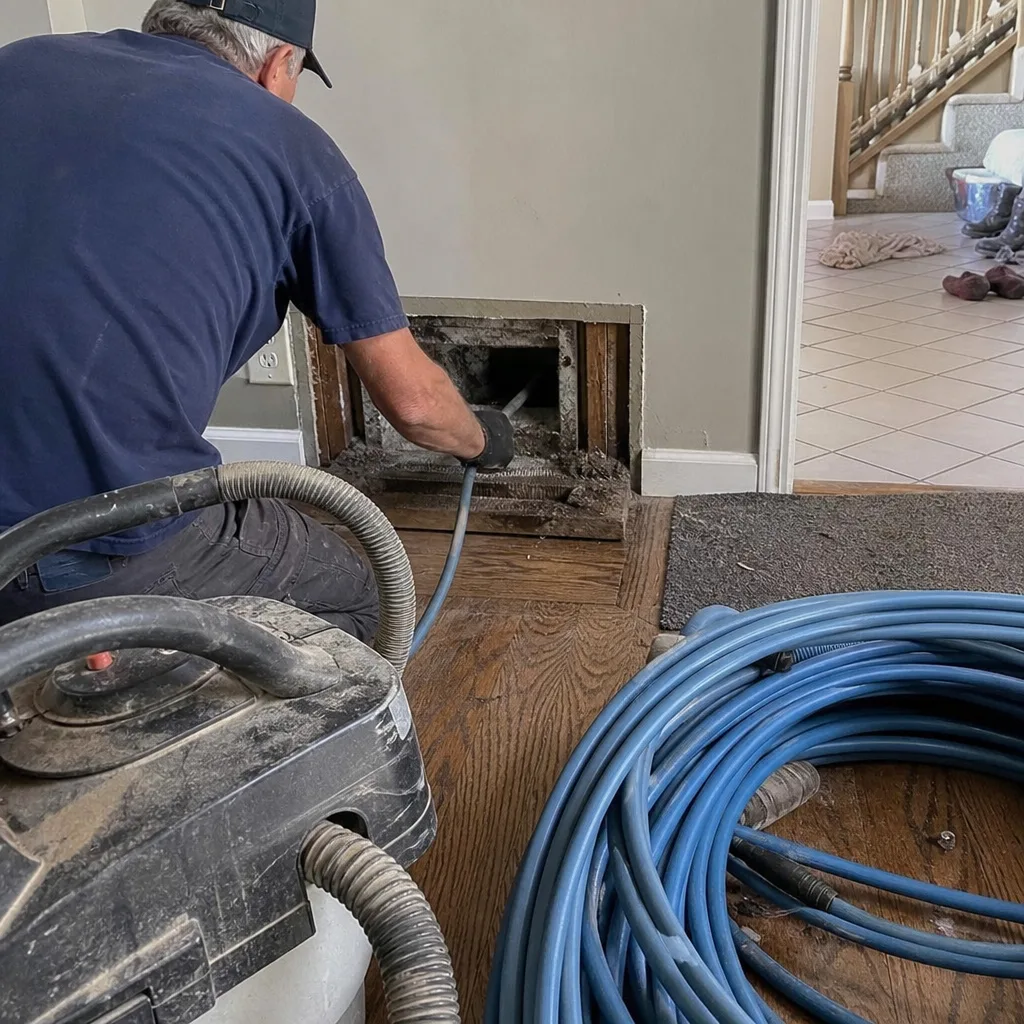 Before
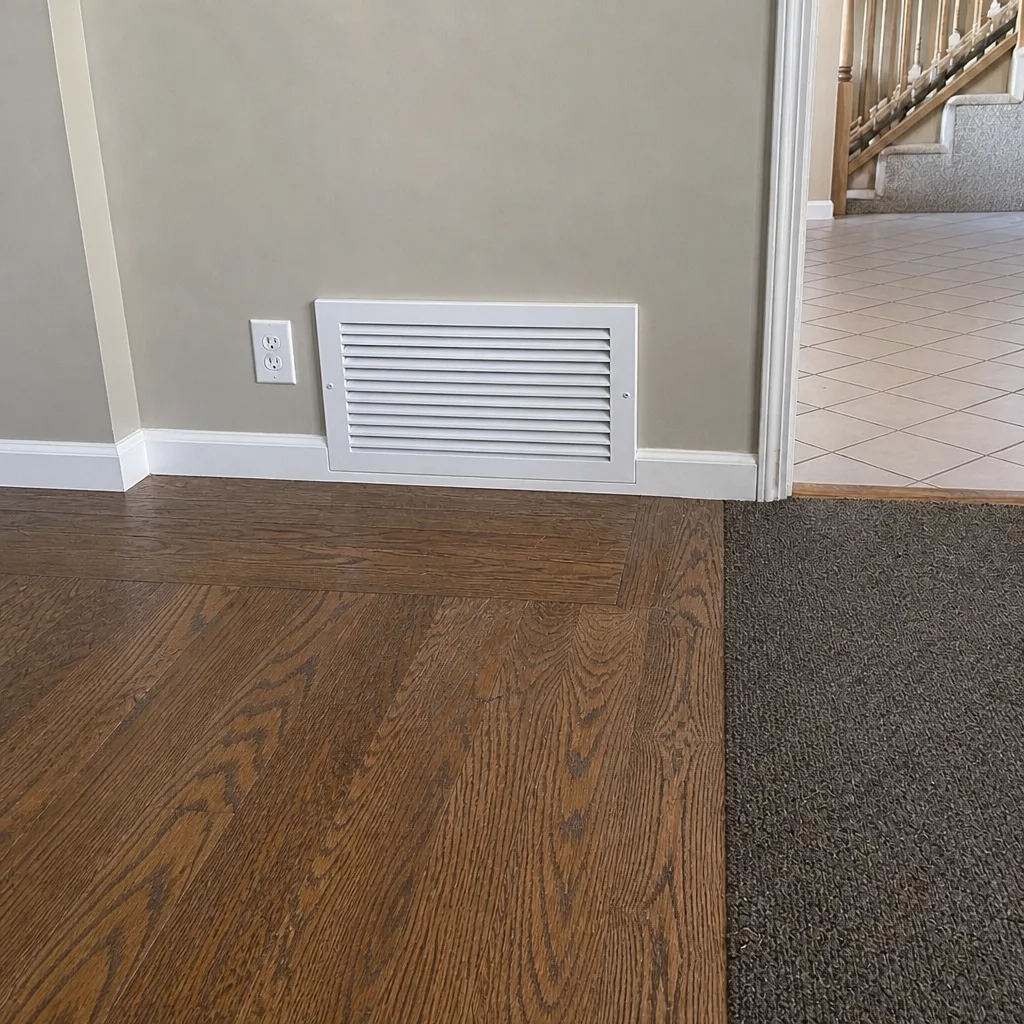 After
When to Call a Professional
Call a professional when any of the following applies: you can see mold at a register or on the furnace plenum, you smell musty odor at the return during operation, you’ve found pest activity in the ducts, you’ve just finished a remodel, airflow to a room has dropped off, or gaps and rattling suggest a leaking or disconnected run. Those aren’t cases where waiting helps. They’re cases where the cause has to be identified and corrected before the ducts get cleaned. For a home with only light dust and no other sign, monitoring is fine, and a call is a good way to confirm you’re on the right schedule. Brighton Air Duct Cleaning Pros offers free estimates in Brighton; call (877) 770-1719. We answer 24/7. Fast dispatch from 7am to 7pm, Sunday through Friday.
Frequently Asked Questions
A faint dusty or musty smell when the furnace or air conditioner kicks on is usually the first sign. It appears before visible dust on the registers and it tracks with the system cycle, which is what makes it useful. If the odor is musty rather than dusty, treat it as a moisture indicator and get the coil inspected first. Call (877) 770-1719 for a free estimate if that smell has been around for a while.
No. Visible dust is a late indicator, and on its own it’s the weakest signal. It becomes meaningful when paired with a pattern: faster dust buildup, a musty smell on the cycle, uneven airflow between rooms, or a recent renovation. A single vent with light dust is not a reason to book anything. Call (877) 770-1719 and describe what you’re seeing, and we’ll tell you honestly whether it’s worth an inspection.
Mold is dark, mottled, and usually fuzzy or speckled, and it comes with a persistent musty odor that doesn’t fade after the system runs. Ordinary dust is dry, gray or brown, and powdery, with no odor beyond dustiness. If you suspect mold, moisture somewhere upstream is the real problem, and the source has to be corrected. Call (877) 770-1719 for an inspection; estimates are free.
Sometimes, but often not. If a room barely gets air, the likely cause is a disconnected or crushed duct run, not dirt. That’s a repair issue. Cleaning removes the contamination; repair and sealing restores the airflow. An inspection should tell you which one you have before you commit to either.
Most Brighton homes don’t need it on a fixed calendar. The honest answer is: clean when the signs appear, not on a schedule set by a sales pitch. For a typical home with good filtration and no pets or renovation history, several years can pass. Homes with pets, allergy sufferers, recent remodels, or heavy dust conditions benefit from a closer interval. Call (877) 770-1719 and we’ll help you figure out a realistic one.
Because the equipment and labor to do a thorough job cost real money. A quote that undercuts everyone else usually means a vacuum pass at the registers without inspecting the return side, the air handler, or the boots, and without repair and sealing to keep the system clean afterward. Ask what equipment is used and whether returns, the plenum, and the coil are included. Call (877) 770-1719 for an honest comparison.
The Bottom Line
The signs that matter most in a Brighton home are the ones that show up before the visible dust: an odor on the HVAC cycle, uneven airflow, rattling, gaps at the boots, symptoms that track with the system. Visible contamination tells you the accumulation has been there a while. Musty odors and mold point to moisture that has to be traced before cleaning. Post-remodel dust reaching the returns is a common Brighton case. Cleaning alone doesn’t fix a damaged or leaking system, which is why full-service capability, including repair and sealing, is worth having on one call. If a few of these signs sound familiar, call (877) 770-1719 for a free estimate. We answer 24/7. Fast dispatch from 7am to 7pm, Sunday through Friday.
Written by the team at Brighton Air Duct Cleaning Pros.