
Last updated November 25, 2026
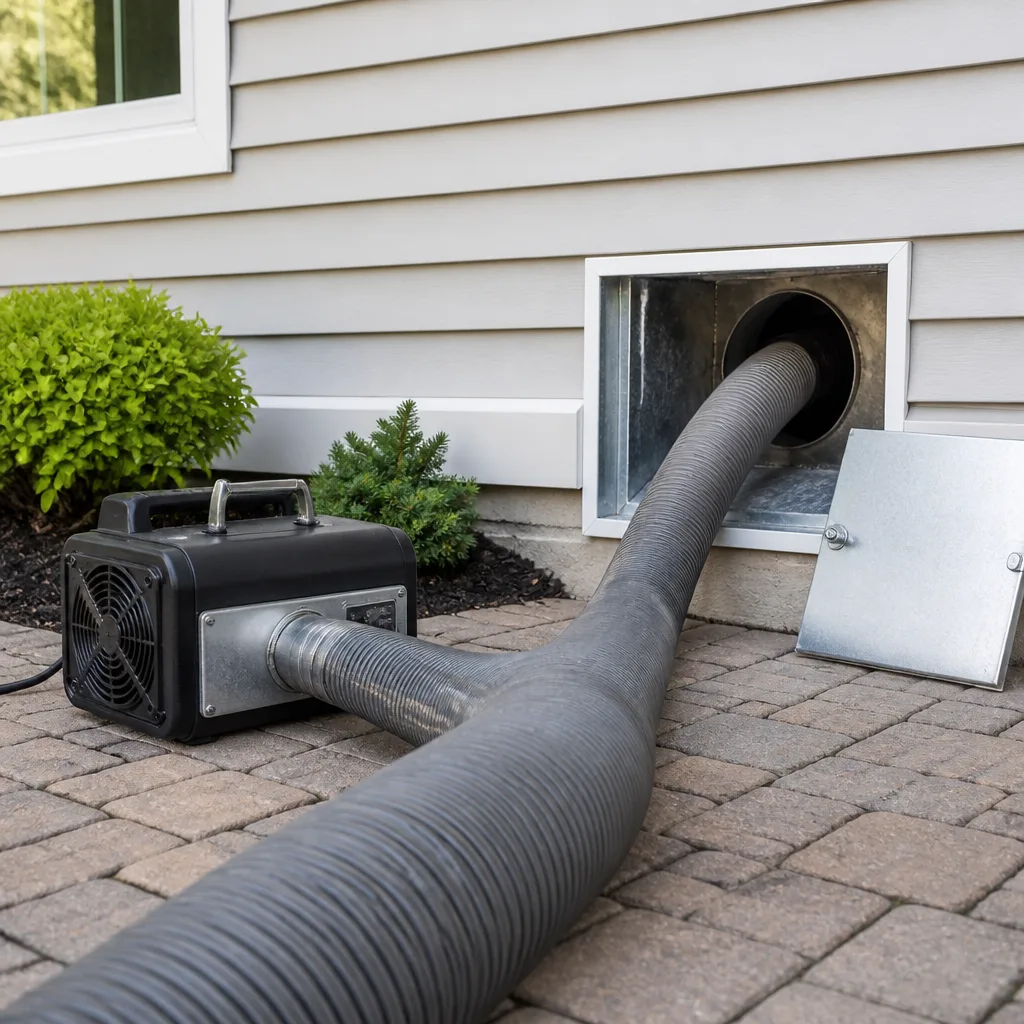 Whole-home duct cleaning
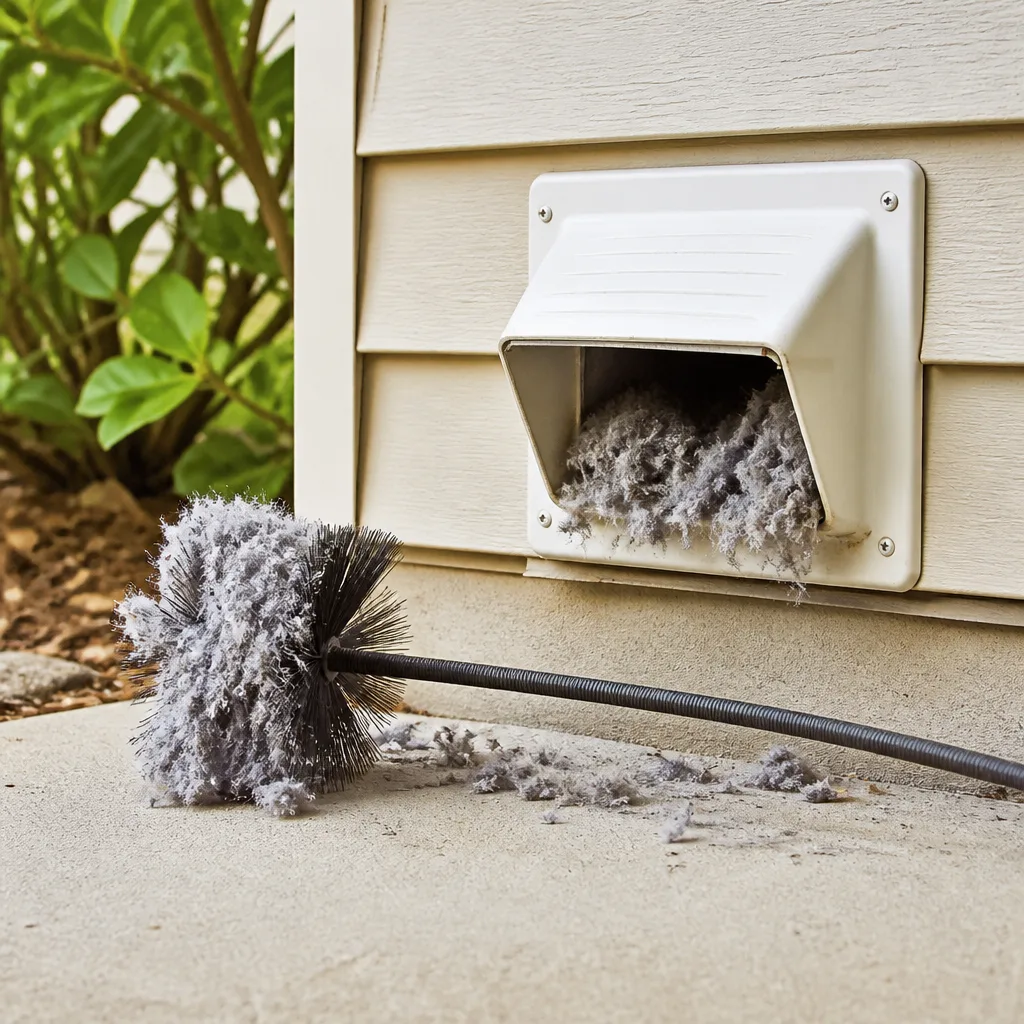 Dryer vent cleaning
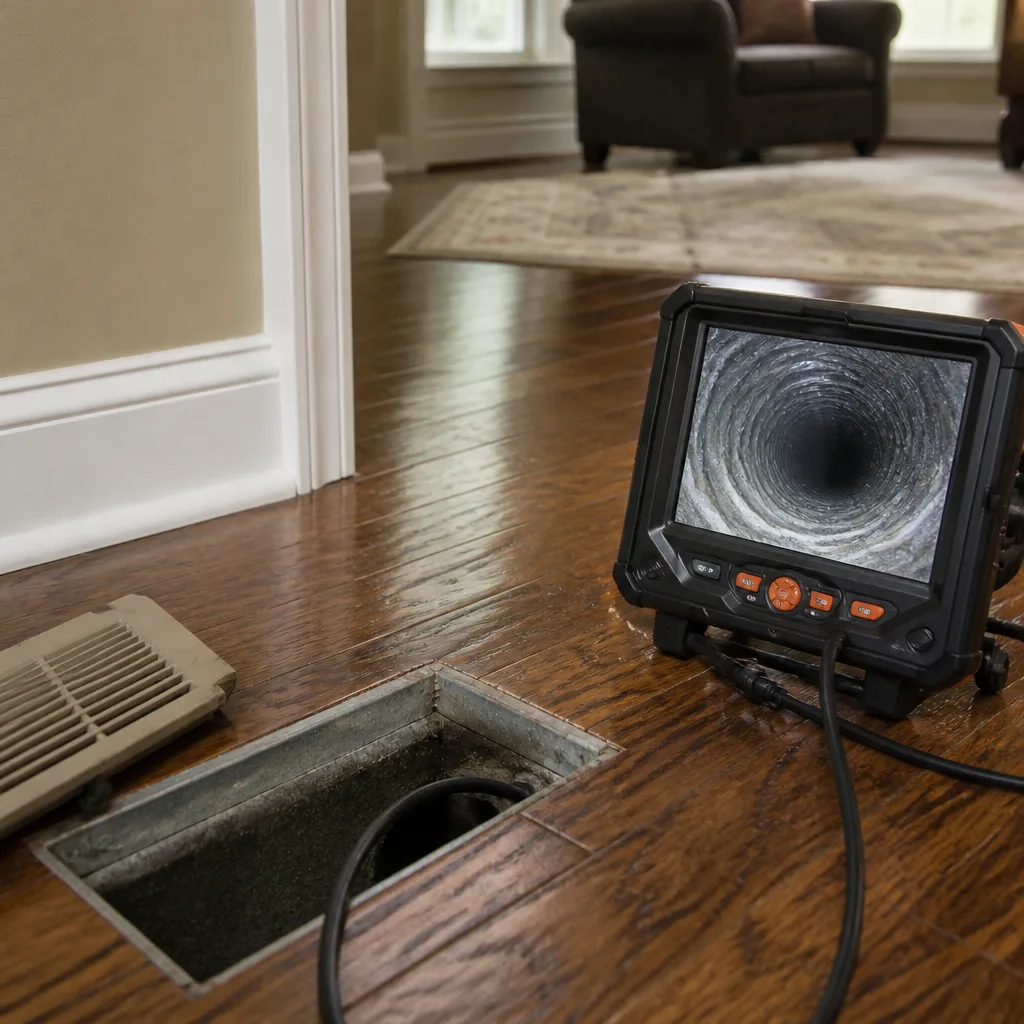 Camera inspection
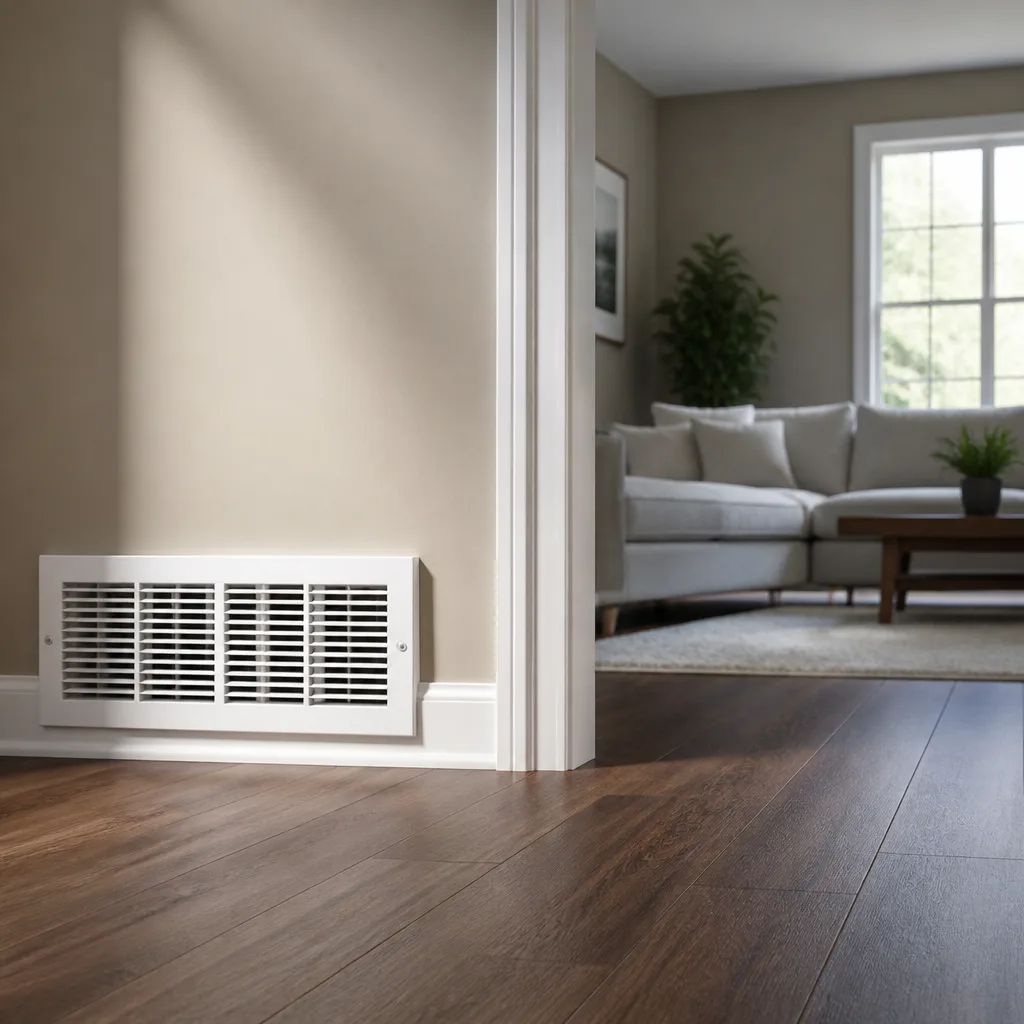 Sanitizing & deodorizing
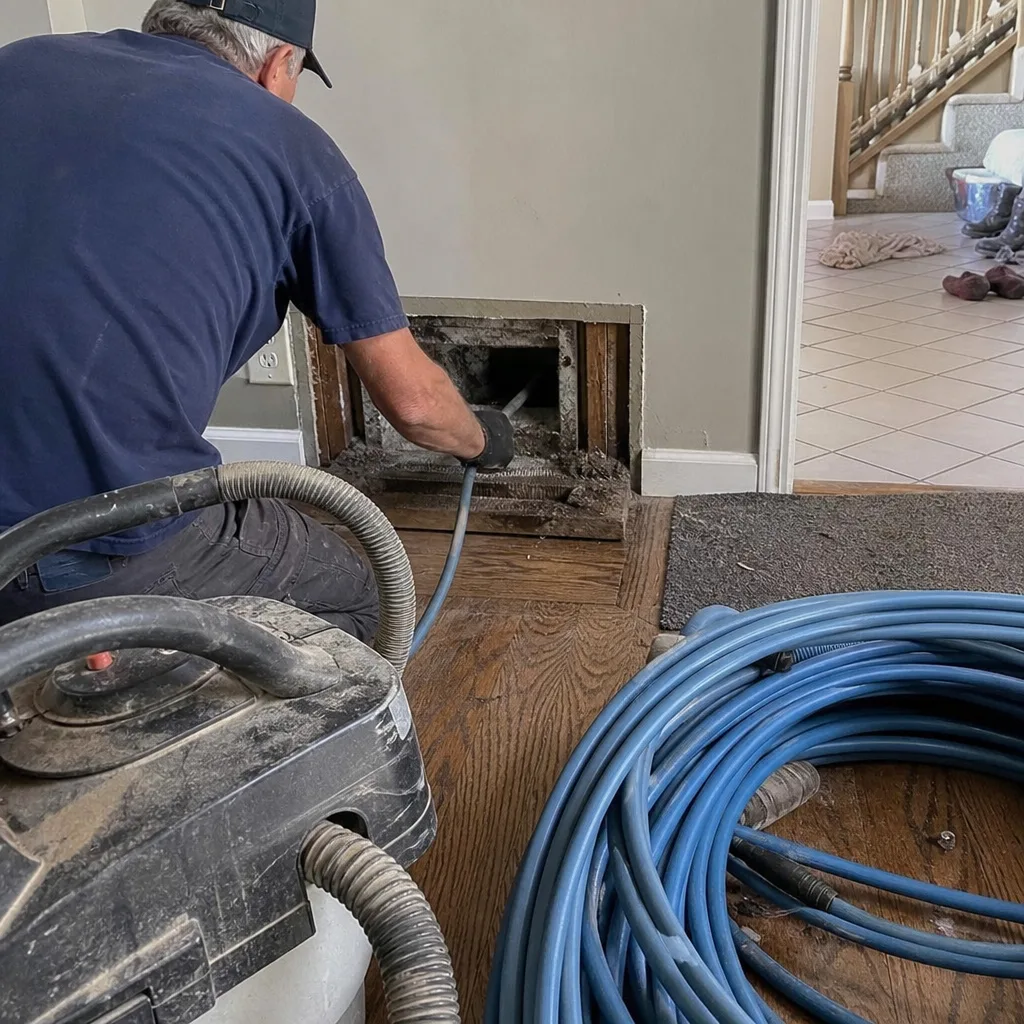
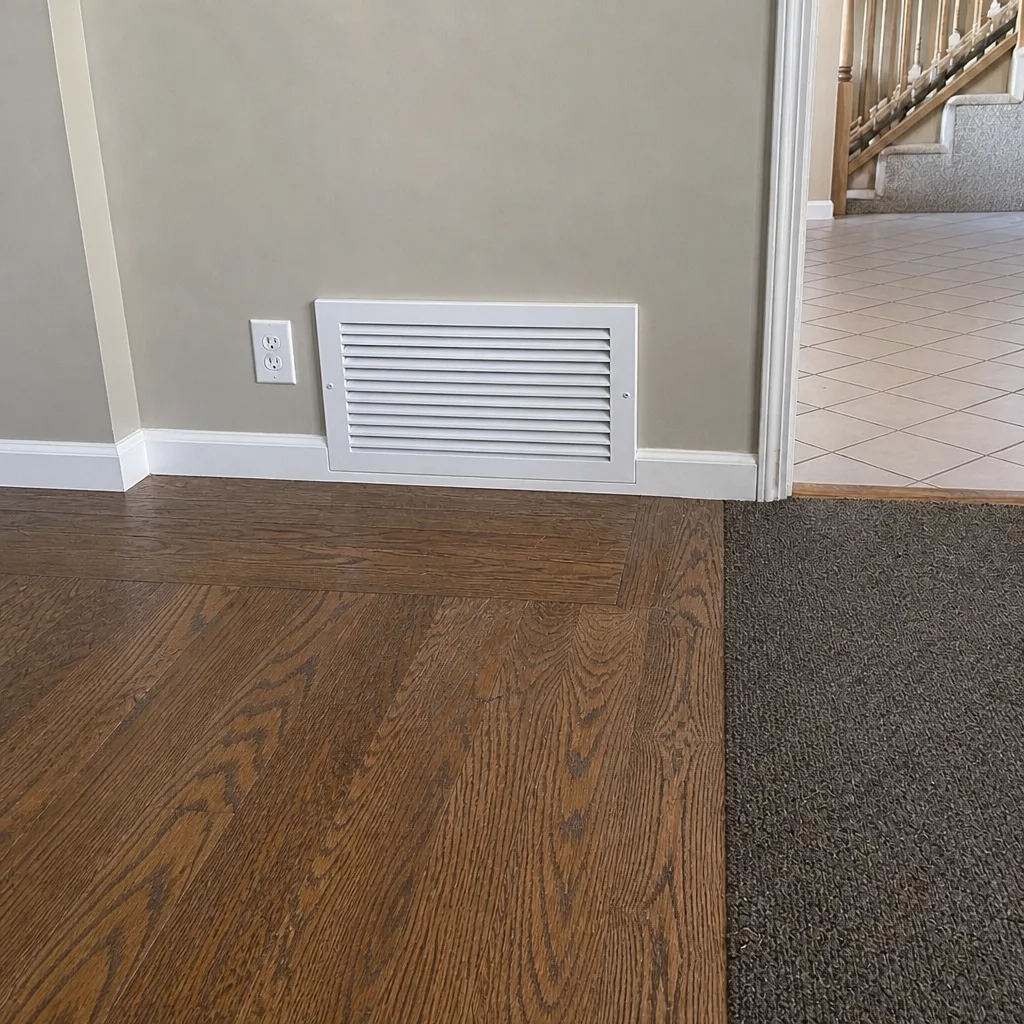
Whole-system duct and dryer vent check with before-and-after photos - you see exactly what came out of your vents
That "$99 whole-house special" is a bait ad - the real number appears once they are in your hallway, or the "clean" is a shop-vac at the register. We photograph the inside of your ducts before and after instead.
The Complete Guide to Air Duct Cleaning in Brighton
Most air duct cleaning guides describe a process that takes 45 minutes. A thorough job on a Brighton home takes 3 to 5 hours, and the difference is not padding. It’s the return lines, the air handler, the coils, the drain pan, the negative-pressure setup, and the time it takes to actually verify the result with before-and-after photos. Brighton’s dry, dusty Front Range climate loads ductwork with fine particulate faster than wetter parts of the country, and the rapid new construction across the city means plenty of homes have drywall dust sitting in the supply lines before anyone moves in. This guide walks through what a complete cleaning actually involves, equipment by equipment, so you can measure any contractor against a real standard instead of a coupon.
Quick Answer
Air duct cleaning in Brighton is a 3-to-5-hour mechanical process that uses professional negative-pressure equipment to pull contaminants out of the entire duct system, including supply lines, return lines, the air handler, coils, and drain pan, not just the main trunk. In Brighton’s semi-arid, high-altitude climate, ductwork collects fine dust and particulate quickly, and homes in newer subdivisions often need cleaning before first occupancy because of construction debris. Sanitizing follows mechanical cleaning when microbial concerns or allergens warrant it, and duct repair and sealing fixes the air-loss and contamination problems that cleaning alone can’t.
Styles & brands we work with
- Whole-home duct cleaning
- Dryer vent cleaning
- Camera inspection
- Sanitizing & deodorizing
Table of Contents
- Why Brighton’s Climate Makes Duct Cleaning Different
- What a Complete Duct Cleaning Actually Covers
- The Equipment Standard: What Professional-Grade Really Means
- New Construction in Brighton: Why Cleaning Before Occupancy Matters
- What Sanitizing Involves and When It’s Warranted
- Duct Repair and Sealing: The Step Most Cleaners Skip
- How to Verify the Work Was Actually Done
- How Often Brighton Homes Really Need Duct Cleaning
Why Brighton’s Climate Makes Duct Cleaning Different
Brighton sits on the Front Range at high altitude, in a semi-arid climate with wide temperature swings and a windy spring. Those conditions shape what ends up in your ductwork. Fine particulate from dry soil, unpaved lots, and construction sites blows across the city on windy days, and a home’s HVAC system is the biggest air mover in the house. Every time the blower runs, it pulls that particulate through the return grilles and deposits it on duct walls, coil fins, and the air handler. Wetter climates see more mold and biological growth; Brighton sees more dry accumulation that builds up fast and doesn’t clear on its own.
That matters for a few reasons:
- Dry particulate stays airborne longer and recirculates through supply registers every cycle.
- The wide day-to-night temperature swings mean heating and cooling run more hours across the year, moving more air through the ducts.
- Furnace and AC coils in a dusty environment foul faster, which quietly cuts efficiency.
- Brighton’s growth means active construction nearby for many homes, and construction dust is the worst offender of all.
If you’re comparing us against a generic guide written for a humid metro, the assumption about what’s in the ducts is simply different. In Brighton, the primary load is mineral dust, drywall particulate, and pet dander, not moisture-driven growth. That steers the cleaning method and it steers the decision about whether to sanitize afterward. For more on how cleaning fits with the rest of your HVAC maintenance, see our guide to HVAC cleaning, which covers the coil and air-handler side in detail.
What a Complete Duct Cleaning Actually Covers
A complete cleaning touches every component air passes through, and the components a contractor skips are usually the ones that need it most. The main trunk line is the easiest part to clean and the easiest part to show you after the fact. The return lines, coils, and drain pan are where the real contamination sits. Here is the scope a thorough job should include, in order:
- System inspection and setup. Before anything is cleaned, the technician maps the system, locates access points, and covers floors and furnishings. Registers and grilles come off.
- Return-side cleaning. The return lines carry the dirtiest air back to the system, so they’re cleaned first with a rotary brush whip, working from the air handler outward.
- Supply-side cleaning. Each supply branch is cleaned from the trunk to the register opening, with the brush run to the full length of the branch.
- Air handler cleaning. The blower compartment, the cabinet, and any accessible interior surfaces are vacuumed and wiped.
- Coil cleaning. Evaporator and, where accessible, condenser coils are cleaned so the fins can do their job.
- Drain pan and condensate path. The pan is cleaned and the drain checked, since a pan that holds standing water or debris is a contamination source in its own right.
- Final negative-pressure verification. The system is re-checked and before-and-after photos captured at the access points.
That last step is where trust gets built. Ask any contractor whether they photograph the interior of the ducts before and after. If they can’t show you, you can’t know. For a full discussion of the process from our end, see air duct cleaning.
The Equipment Standard: What Professional-Grade Really Means
A shop vac and a hose can move dust, but it cannot create the sustained negative pressure that keeps dislodged particulate from blowing back into your living space. That’s the real function of professional duct cleaning equipment: the system is put under negative pressure so the entire duct network is pulling air inward while the technician works a rotary brush or air whip through it. The contaminants leave the duct and go into a sealed collection unit, not into your hallway.
That’s why we use the same category of equipment that restoration and remediation contractors rely on:
- Rotobrush and Nikro systems for the mechanical cleaning itself, with rotary brush whips and high-efficiency collection.
- Abatement Technologies equipment for air quality and sanitizing work, which is the tool category used in professional remediation, not consumer cleaning.
- Compatibility with Honeywell and Aprilaire air-quality and filtration systems, which matters if your home already has premium air-handling equipment installed.
When you’re evaluating a contractor, ask three questions: what kind of collection unit they use, whether they run negative pressure throughout the job, and whether the brush is powered or hand-held. A powered rotary whip cleans duct walls; a hand brush touches the ones the technician can reach. The difference shows in the before-and-after photos. If the equipment list is vague, the job probably is too. Our technicians have up to 14 years of experience working with this equipment, and that experience is exactly why we name it up front.
New Construction in Brighton: Why Cleaning Before Occupancy Matters
A newly built home is not a clean-duct home. During construction, the HVAC system is often running to keep workers comfortable while drywall is sanded, framing dust is created, and cabinets, flooring, and paint are being installed. That means the very ducts that were installed brand new are collecting construction particulate before the first furniture arrives. Brighton’s expanding subdivisions have a lot of homes in exactly this state, and it’s one of the more common cleaning calls we’d expect to get in the city.
The specific things new-construction ductwork tends to hold:
- Drywall dust from sanding and cutting, which is fine and highly mobile.
- Sawdust and wood particulate from framing and trim work.
- Construction debris that found its way into open ducts before registers were installed.
- Coatings and adhesive residue that can carry into the supply lines.
Cleaning before you move in is easier and cheaper than cleaning after, simply because there’s nothing to work around. It’s also the right moment to look at duct sealing, since construction gaps and poorly sealed joints are common in fast-built homes and every one of them leaks conditioned air. If you’ve just closed on a new build in Brighton, having the system cleaned and inspected before occupancy is a sensible first move. Our team is reachable at (877) 770-1719 for a free estimate, and we answer 24/7.
What Sanitizing Involves and When It’s Warranted
Sanitizing is not a substitute for cleaning. It comes after mechanical cleaning, and only when there’s a reason for it. The order matters: you can’t sanitize dirt, you have to remove it first, and the sanitizing product needs clean surfaces to work on. Once the ducts, coils, and air handler are physically clean, a sanitizing application addresses microbial concerns, allergen loads, and odors left behind in the system.
When sanitizing is genuinely warranted:
- There’s confirmed or suspected microbial growth in the system, which a technician should be able to point to.
- The home has had a known contamination event, such as a water intrusion that affected the HVAC area.
- Pest activity (rodents, insects) has been found in the ductwork.
- Persistent odors that have not cleared with cleaning alone, particularly after mold or smoke exposure.
- Allergy or asthma sufferers looking for the most complete reset of the system before the next season.
When it’s not necessary: routine cleaning of a system with no growth, no pest activity, and no odor. A contractor who recommends sanitizing on every job without pointing to a reason is selling a product, not a service. Ask to see what they’re seeing. If they can’t show you, the recommendation doesn’t stand. We use Abatement Technologies equipment for this part of the work because remediation-level tools belong on contamination-level problems. For the full picture of the indoor-air chain, see Brighton Air Duct Cleaning Pros.
Duct Repair and Sealing: The Step Most Cleaners Skip
Cleaning a leaky duct system is temporary. Sealing it is what makes the cleaning last. Ducts in Brighton homes leak at joints, at poorly installed connections, at transitions from rigid duct to flex, and at penetrations where the system was never sealed at all. Every leak pulls unfiltered attic or crawlspace air into the distribution system and dumps conditioned air into places it wasn’t meant to go. That’s an air-quality problem and an efficiency problem at the same time.
The signs a system needs repair or sealing, not just cleaning:
- Rooms that never get comfortable no matter what the thermostat says.
- Visible dust streaks at the register or at duct joints.
- Higher-than-expected energy use for the heating and cooling you’re getting.
- Duct tape peeling or mastic flaking at the joints.
- A noticeable pressure difference, where some rooms are pushed and others starved.
Repair and sealing addresses the root cause. Cleaning removes what’s already in the ducts; sealing keeps new contamination from finding a way in and keeps the air you paid to condition inside the home. Very few duct cleaning companies offer it, which is why we built it into our five-service scope. Most cities require a permit for significant duct modification work, so ask your city’s building department if a repair crosses that line before work starts. Combined with the cleaning and the sanitizing, sealing is where the full chain of indoor-air work completes. You’ll find the same logic applies to dryer vent cleaning, where a lint-clogged line is a fire-safety problem that cleaning and proper venting fix together.
How to Verify the Work Was Actually Done
Ask for before-and-after photos of the interior of the ducts at the access points. That’s the single most reliable way to know the work was done, and it’s the one standard every contractor can meet if they’re actually cleaning. Beyond that, the verification comes from a mix of what you can see and what you can check:
- Photos. Before-and-after shots of the return and supply lines, the air handler, and the coils. Not a photo of the outside of the unit.
- Access points. Look at where the technician opened the system. Real access cuts are sealed properly when the job is done.
- Register and grille cleaning. All registers should be removed, cleaned, and reinstalled, not just left in place with the vacuum run around them.
- The collection unit. You should see a professional HEPA-grade collection unit on site, connected to a sealed opening in the system, and running for the duration of the job.
- The time. A complete job takes 3 to 5 hours on a typical Brighton home. A job that finishes in under an hour has skipped something.
- What they tell you. A good technician can describe what they found in your system and where. Vague answers are a warning sign.
If a contractor can’t show you any of this, you’ve learned what you needed to know. That’s the practical test, and it doesn’t require any technical knowledge to apply. It’s the same standard we hold ourselves to on every job.
How Often Brighton Homes Really Need Duct Cleaning
There’s no universal ruling. The honest answer depends on what’s in the home and what’s in the air around it. A Brighton home with pets, a homeowner with allergies, or a property in a newer subdivision near active construction can need cleaning on a shorter cycle than an established home with no pets and no respiratory concerns. Rather than a fixed interval, watch for the triggers:
- Visible dust accumulation at the registers faster than it used to build up.
- A persistent musty or stale smell when the system first kicks on.
- A noticeable drop in airflow from the registers.
- Allergy symptoms that follow the HVAC cycle.
- After a renovation, a new build, a pest issue, or a water event.
For most homes, revisiting the system every few years is reasonable, but the triggers above should pull the schedule forward. The bigger point is that cleaning is one link in a chain: cleaning, sanitizing, sealing, and dryer vent service all work together to keep indoor air where you want it. When you’re ready to have the system evaluated against that standard, air duct cleaning starts with an inspection and a written estimate. Call (877) 770-1719. We answer 24/7. Fast dispatch from 7am to 7pm, Sunday through Friday.
Common Mistakes to Avoid
- Accepting a 45-minute job. A complete cleaning takes 3 to 5 hours. If the technician finishes before lunch, something on the list wasn’t done.
- Skipping the air handler and coils. The main trunk is the showpiece; the coils and drain pan are where the contamination lives. Ask specifically what’s being cleaned.
- Believing a per-vent or per-register price. In Brighton, a whole-system job includes the full return and supply side, the air handler, and the coils. Pricing per vent is a way to hide the real cost.
- Choosing the cheapest quote without checking equipment. A shop vac and a hand brush are cheap to run. A Rotary brush under negative pressure with a HEPA collection unit is not. The quote reflects the equipment.
- Cleaning without addressing leaks. In Brighton’s dry climate, unsealed duct joints pull attic dust into the system every time the blower runs. Sealing is the fix, and most cleaners don’t offer it.
- Sanitizing before cleaning. Sanitizing a dirty duct does nothing. Mechanical cleaning comes first, then sanitizing when there’s a reason for it.
- Overlooking the dryer vent. It’s the same indoor-air and safety chain, and lint buildup in a dryer vent is a fire hazard. Clean it in the same visit as the ducts.
See the difference
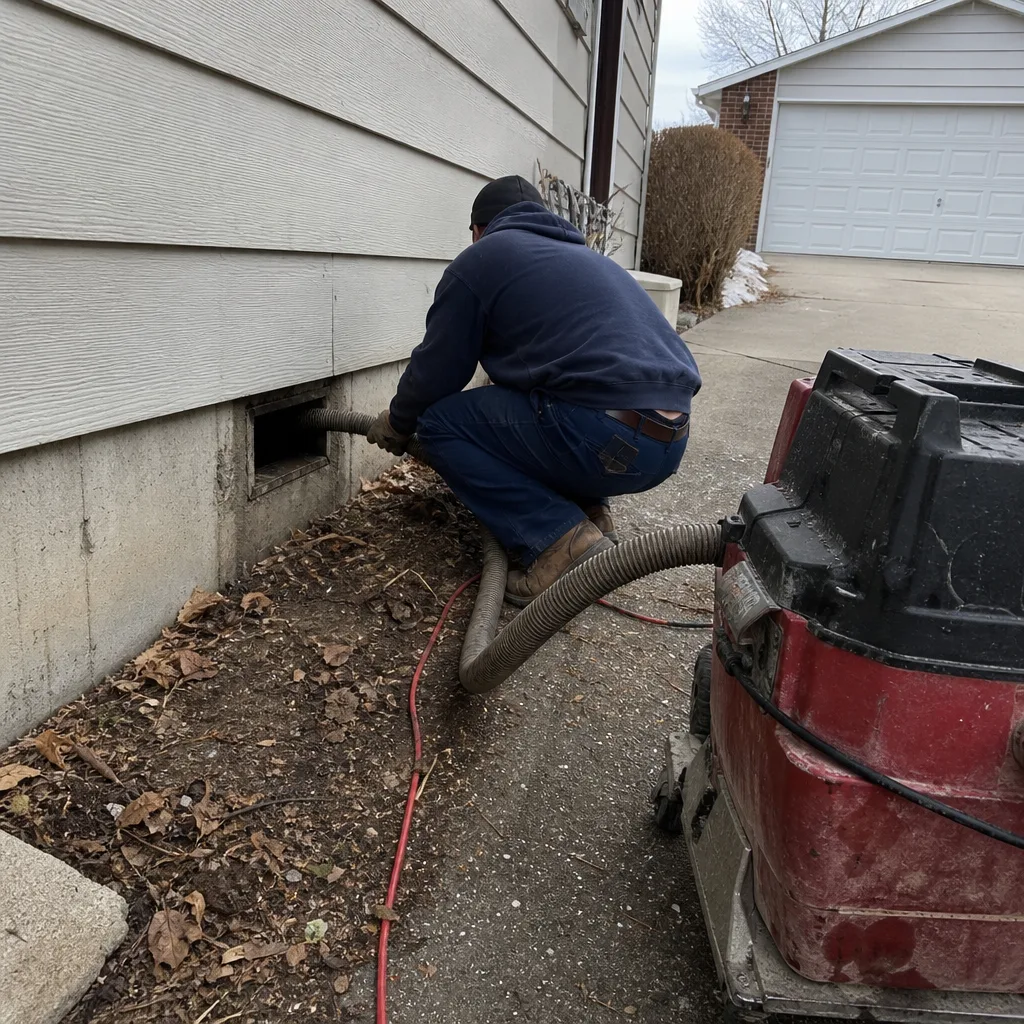 Before
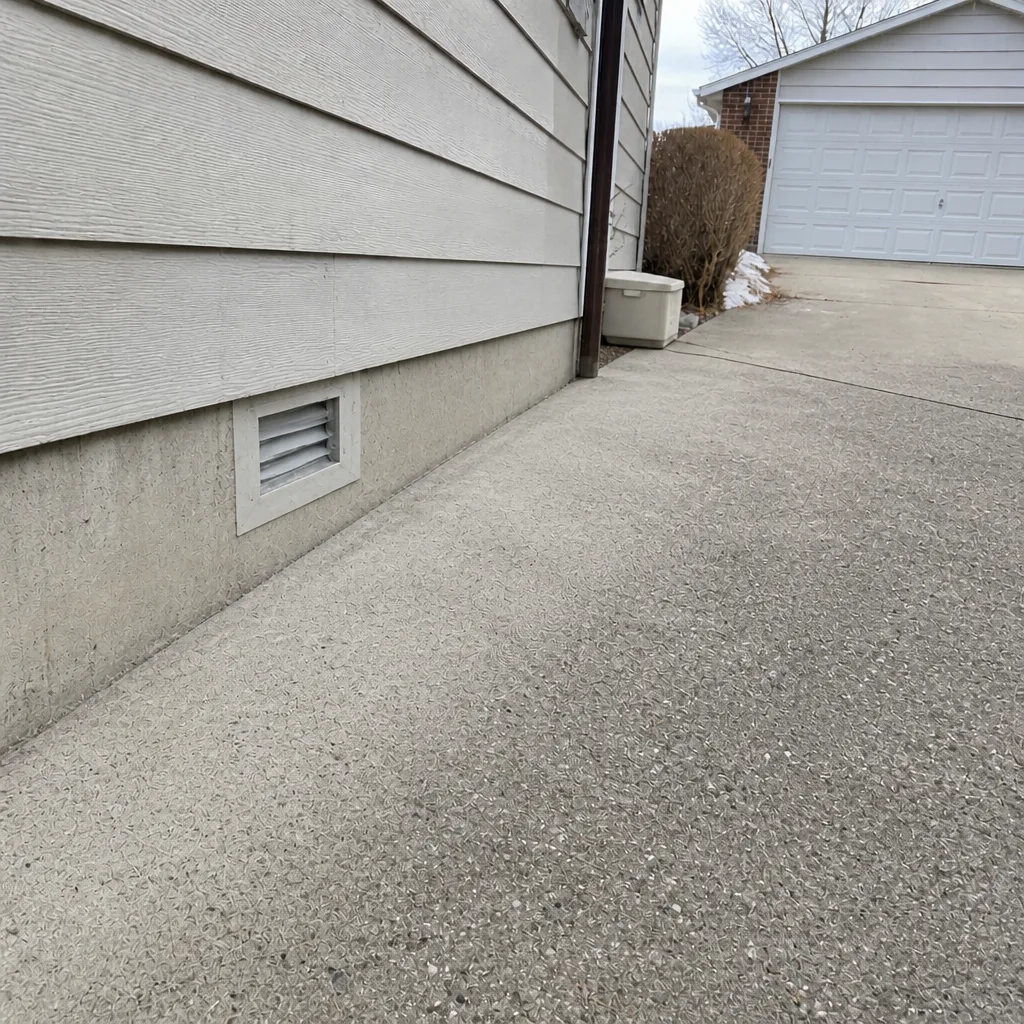 After
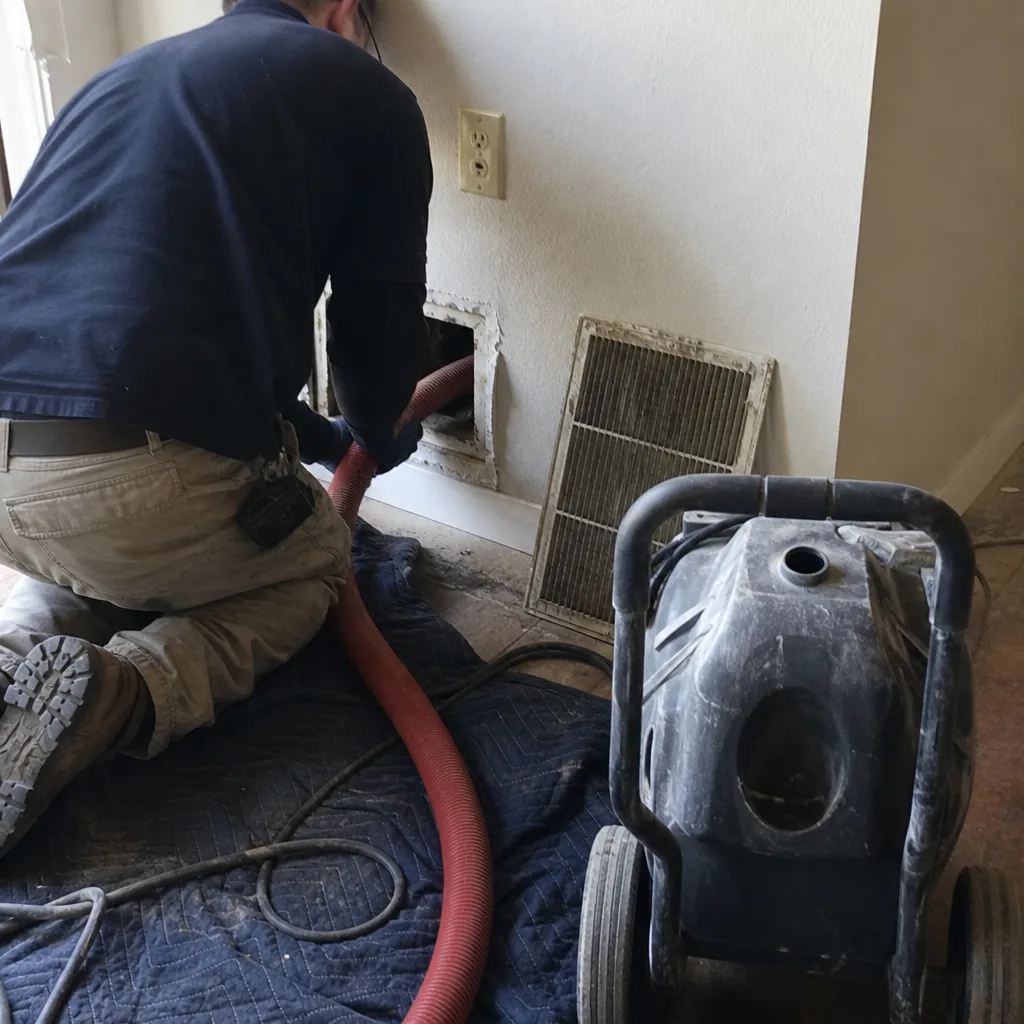 Before
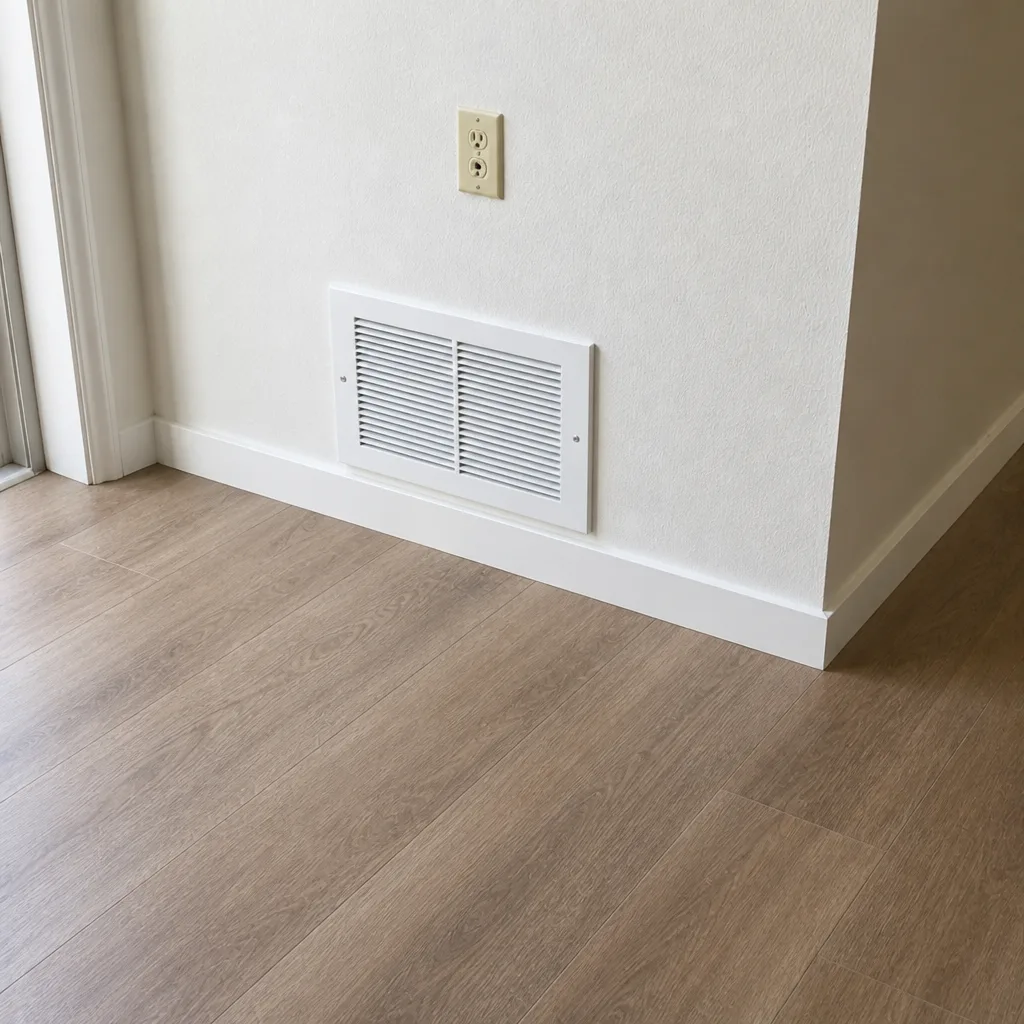 After
 Before
 After
When to Call a Professional
Call a professional when the signs are specific, not just when it’s been a while. If the registers are dusting over fast, if the system smells stale on startup, if airflow has dropped, if you’ve had a renovation or a pest issue, or if you’ve just closed on a new build in Brighton, a professional inspection is the right call. The same goes for anyone in the household with allergies or asthma, and for pet owners who notice more dust than they used to. DIY cleaning of the accessible register grilles is safe; anything inside the system requires professional equipment and access. Old duct tape, contaminated air handlers, and coils are not a homeowner project. Brighton Air Duct Cleaning Pros offers free estimates in Brighton: call (877) 770-1719. We answer 24/7. Fast dispatch from 7am to 7pm, Sunday through Friday.
Frequently Asked Questions
It varies by system size and scope, and the written estimate sets the final price. What you’re buying is a whole-system job that includes return lines, supply lines, air handler, coils, and drain pan, plus photos before and after. A quote that sounds unusually low is usually missing something from that list. Call (877) 770-1719 for an exact quote; estimates are free.
Cheaper quotes skip the equipment, the scope, or both. A hand brush and a shop vac cost a fraction of a professional negative-pressure setup with a rotary brush whip and HEPA collection, and they clean a fraction of the system. When a price looks too low, ask what equipment they’re using and whether they clean the coils, air handler, and drain pan. Call (877) 770-1719 if you want to compare against a written estimate.
Before-and-after photos of the interior of the ducts, taken at the access points, are the reliable check. Beyond that, look for a professional collection unit on site, removed and cleaned registers, and a job that takes the expected 3 to 5 hours. A contractor who can’t show you photos can’t show you the work. Call (877) 770-1719 with questions about what to expect.
Every few years is reasonable for many homes, but Brighton’s dry, dusty climate and active construction push the schedule forward. Watch for fast dust buildup at the registers, a stale smell on startup, or dropping airflow, and clean when those appear. Call (877) 770-1719 for an inspection and a free estimate.
Yes, and it’s one of the best times to do it. New builds in Brighton’s expanding subdivisions often have drywall dust, sawdust, and construction debris in the ductwork from before occupancy. Cleaning before you move in is the easiest moment, and it’s a good time to check duct sealing too. Call (877) 770-1719 to schedule.
Sanitizing is a separate step and is not always needed. It’s warranted when there’s confirmed microbial growth, a pest issue, a contamination event, or persistent odors after cleaning. When the system is clean and clear, mechanical cleaning alone is enough. Call (877) 770-1719 and we’ll tell you honestly what your system needs.
The Bottom Line
A complete air duct cleaning in Brighton is a 3-to-5-hour, equipment-backed job that covers the full system: return lines, supply lines, air handler, coils, drain pan, and registers, with before-and-after photos to prove it. Brighton’s semi-arid, high-altitude climate and its rapid construction load ductwork with fine dry particulate, and new builds often need cleaning before anyone moves in. Sanitizing is a follow-on step for when there’s a real reason, not a default. Repair and sealing close the loop by fixing the air loss and contamination paths cleaning alone can’t. Weigh any contractor against that standard and call with questions. Call (877) 770-1719. We answer 24/7. Fast dispatch from 7am to 7pm, Sunday through Friday. Estimates are free, and the local pro is licensed and insured as their state requires.
Written by the team at Brighton Air Duct Cleaning Pros.