
Last updated November 25, 2026
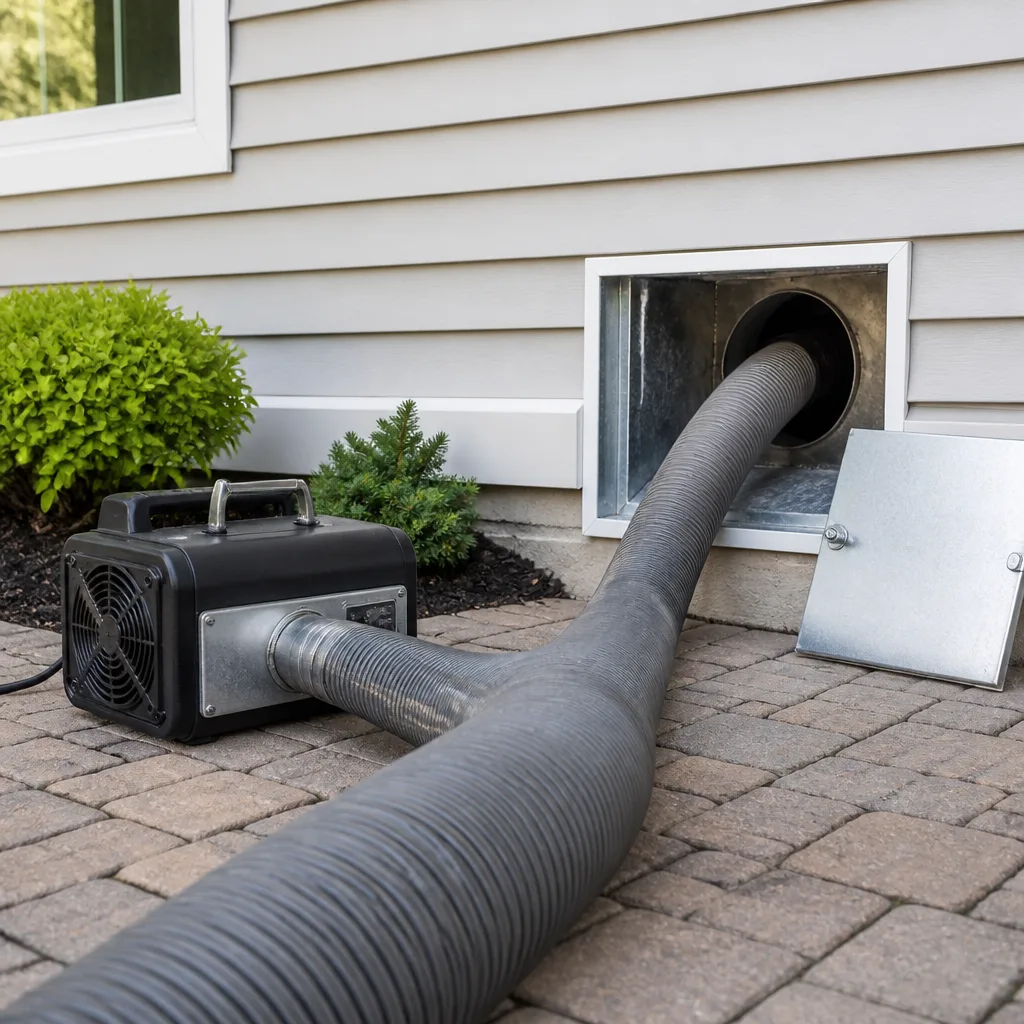 Whole-home duct cleaning
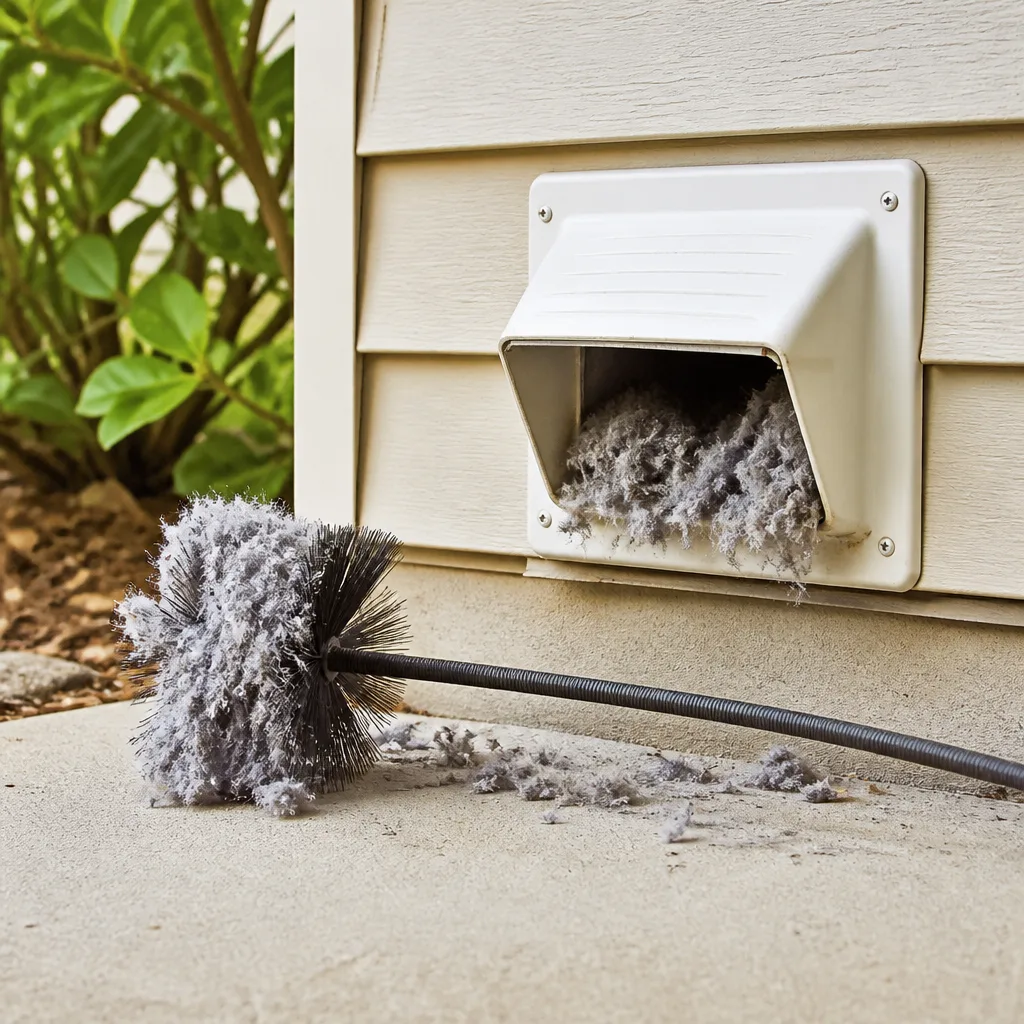 Dryer vent cleaning
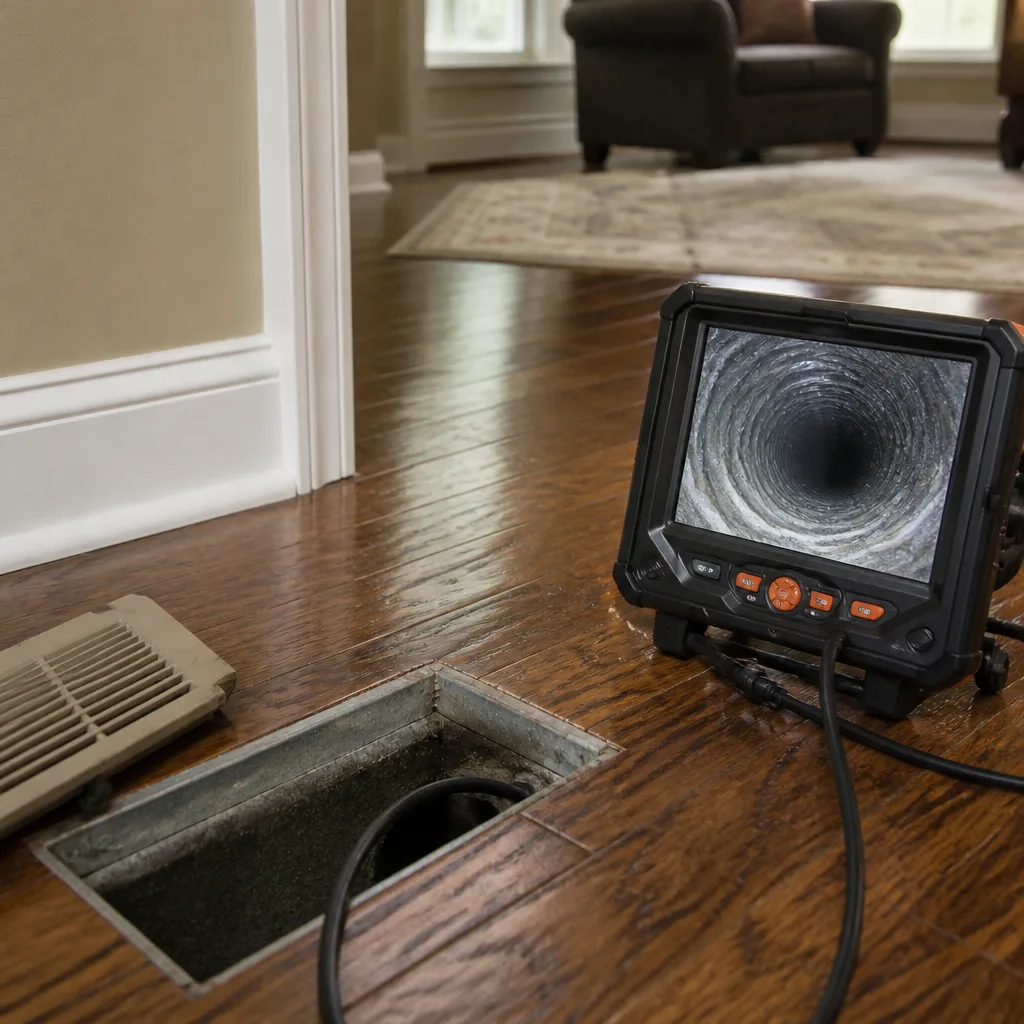 Camera inspection
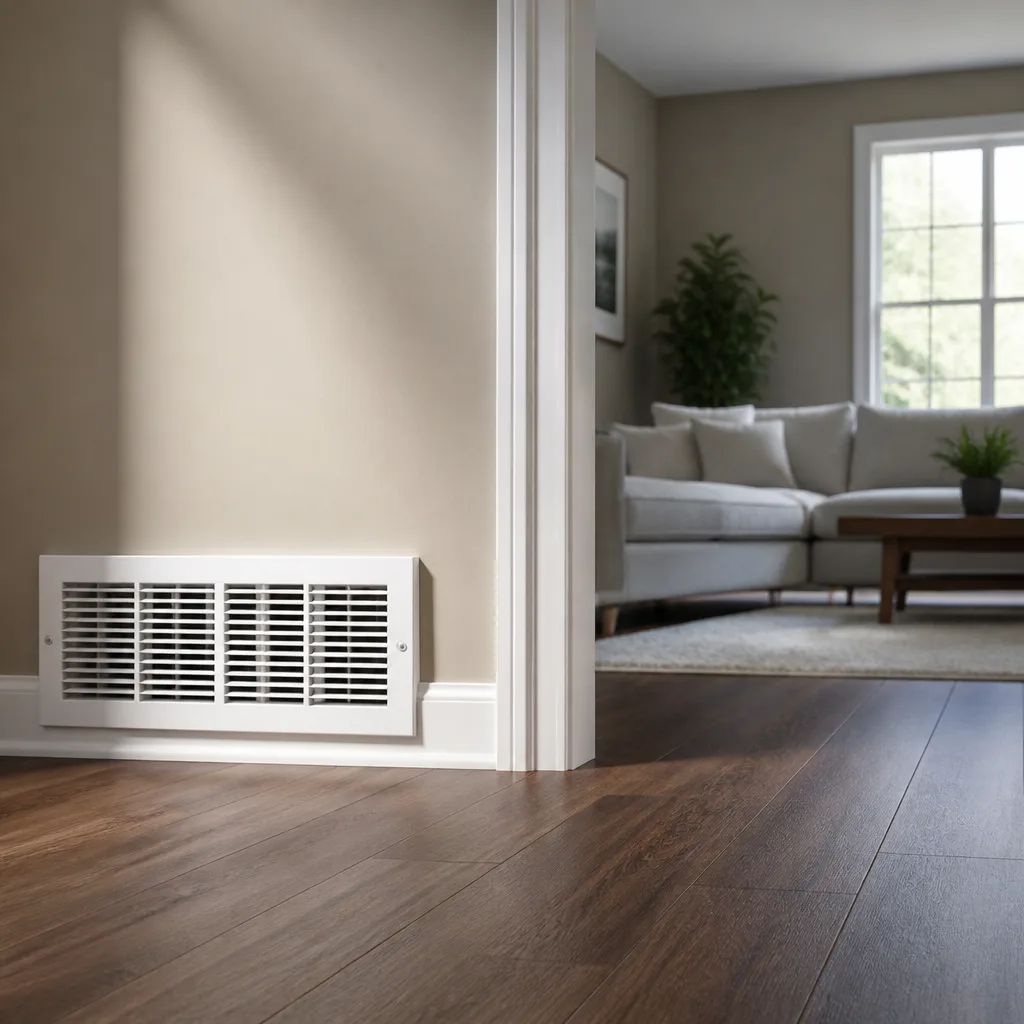 Sanitizing & deodorizing
Whole-system duct and dryer vent check with before-and-after photos - you see exactly what came out of your vents
That "$99 whole-house special" is a bait ad - the real number appears once they are in your hallway, or the "clean" is a shop-vac at the register. We photograph the inside of your ducts before and after instead.
Seasonal Air Duct Cleaning Care for Brighton: Year-Round Homeowner’s Guide
The worst time to discover your ducts are coated in last winter’s debris is the first week of August, when the system is running ten hours a day and quietly distributing it through every room. Most homeowners treat duct cleaning as an annual checkbox, something to schedule whenever the calendar allows. In Brighton, that approach misses what actually happens inside a duct system over twelve months. Spring deposits a different kind of dust than fall does, and summer pushes whatever settled during winter back into the air you breathe. This guide breaks down how Brighton’s four seasons load your ducts, why timing changes the result, and how to build a care strategy around the way your home really works.
Quick Answer
For most Brighton homes, the best time to clean air ducts is late spring, after the heating season ends and before the air conditioner starts running daily. That window clears out winter’s settled debris before summer recirculates it. Fall and winter matter too, but as inspection and sealing seasons rather than cleaning seasons. The right schedule depends on your home’s use patterns, pets, renovations, and how often windows stay open through Brighton’s windy spring.
Styles & brands we work with
- Whole-home duct cleaning
- Dryer vent cleaning
- Camera inspection
- Sanitizing & deodorizing
Table of Contents
- Why Duct Cleaning Timing Matters More Than Frequency
- What Each Brighton Season Loads Into Your Ducts
- Why Spring Is the Optimal Cleaning Window
- Summer: When Settled Debris Becomes Airborne Again
- Fall Startup Checklist Before the First Heat Cycle
- Winter: Sealing Traps Everything Inside
- Managing Duct Hygiene During Wildfire Smoke Events
- When Your Home’s Use Patterns Override the Calendar
Why Duct Cleaning Timing Matters More Than Frequency
Duct cleaning effectiveness depends on what’s in the ducts when the cleaning happens, not on how many months have passed since the last service. A system cleaned in late April carries a light load of winter dust. The same system cleaned in early August carries that dust plus a full summer of recirculated particles, and the cleaning has to work harder for the same result. Timing is the difference between clearing a light layer and removing a settled, compacted one.
Brighton’s climate shapes this more than most homeowners realize. The city sits on the eastern side of the Front Range, where spring wind carries soil and construction dust across open ground, and where summer heat pushes air conditioners into heavy daily runtime. Winter brings temperature swings that cycle the furnace on and off constantly. Each season leaves its own signature in the return-air side of a duct system.
We’ve seen this pattern across Brighton homes of every age and layout, from older properties near downtown to newer builds on the eastern edge of the city. The contaminants change with the season, and so does the best moment to remove them. Here’s the working rule we use:
- Clean when the system is between heavy-use seasons, so debris is removed before it gets pushed through the house.
- Inspect before every seasonal startup, especially heating, when combustion byproducts become a concern.
- Seal and repair whenever you find air loss at joints, since leaks undo the value of cleaning and pull outside dust back in.
That three-part rhythm does more for indoor air than a fixed annual appointment ever will. It also gives you a reason to think about the whole system, not just the ducts. A HVAC cleaning visit alongside duct work keeps the coil, blower, and cabinet from recontaminating the ducts the moment the system restarts.
What Each Brighton Season Loads Into Your Ducts
Each of Brighton’s four seasons deposits a distinct mix of contaminants. Knowing what each one leaves behind tells you what to clean for and when to schedule the work.
Spring
Spring on the eastern Front Range is windy. Soil, pollen, and construction dust from new builds and landscaping projects move through the air for weeks. Homes that open windows during warm afternoons pull that material straight into the return ducts. By the end of spring, the return side of most Brighton systems carries a visible layer of fine grit.
Summer
Summer is when the air conditioner runs for long stretches. Whatever settled during winter and spring gets lifted and recirculated as the blower cycles. If the ducts weren’t cleaned in late spring, this is the season when homeowners notice more dust on surfaces, more visible buildup on return grilles, and more allergy complaints from family members.
Fall
Fall is the transitional season, and the one most homeowners overlook. The first heating cycle of the year pushes air through a furnace and duct system that sat idle for months. Any dust, debris, or residue that collected in the heat exchanger area or along the supply runs gets distributed through the house on that first startup. Fall is inspection season, not cleaning season, but skipping it means starting winter with whatever accumulated over summer.
Winter
Winter seals the house. Windows stay closed, the furnace cycles constantly, and every particle that enters the system stays inside. Combustion byproducts from gas heating are the specific concern here, which is why the fall inspection matters so much. By the time winter is in full swing, the ducts hold everything the previous three seasons left behind.
Put together, the cycle looks like this: spring brings the material in, summer pushes it through the house, fall distributes the residue on startup, and winter traps it all. A cleaning scheduled in the wrong season fights the cycle. A cleaning scheduled in the right one works with it.
Why Spring Is the Optimal Cleaning Window
Late spring is the best window for most Brighton homes because it sits between the end of heating season and the start of daily air conditioning. Cleaning during that gap removes winter’s accumulation before summer recirculates it, and it does so while the system is quiet enough that the cleaning reaches the full duct run without fighting active airflow.
The reasoning is practical, and it comes down to a few points:
- The system is between heavy-use seasons. Heating has tapered off and the air conditioner hasn’t yet started running every afternoon, so the ducts aren’t being pressurized with hot or cold air during cleaning.
- Winter’s load is at its peak. By late spring, the ducts hold everything the cold months deposited, and none of it has been churned up by summer airflow yet.
- Window-open season is brief in Brighton. Cleaning before the windows stay closed means less spring dust re-entering the system right after the work is done.
- Summer performance improves. A clean system moves air more freely, which matters when the air conditioner is working against July heat.
Professional air duct cleaning in that spring window also sets up the rest of the year. Once the ducts are clear, any new accumulation over summer and fall is easy to read at the next inspection. You know what the baseline looks like, so you can tell when the system is due again.
We use Rotobrush and Nikro equipment for this work because the spring load is fine, powdery material that clings to duct walls. A shop vac pulls loose debris off the bottom of a duct but leaves the film. Professional agitation and negative-pressure extraction remove the film, which is what actually matters for air quality going into summer.
Summer: When Settled Debris Becomes Airborne Again
Summer is when a duct system that went into the season dirty starts showing it. The air conditioner runs for hours at a time, and every cycle lifts settled particles from the duct floor into the airstream. The result is a house that feels dustier than it should, with return grilles that darken faster and family members who notice more congestion indoors than out.
For Brighton homeowners, this pattern has a specific texture. Summer afternoons push the air conditioner into long runtime, and the system recirculates indoor air rather than drawing in fresh outside air. That means whatever is in the ducts cycles through the living space repeatedly. A duct system that carries a light layer of dust in May distributes it hundreds of times by August.
If you missed the spring cleaning window, summer isn’t too late, but the work is heavier:
- Expect longer cleaning time per run, since the material has compacted against duct walls.
- Ask about sanitizing, particularly if the house has had pets, moisture issues, or recent illness. Abatement Technologies equipment handles the contaminant and microbial side of that work.
- Have the return side inspected for gaps, since leaks pull hot attic air into the system and worsen the load.
Duct repair and sealing matters in summer for a reason most homeowners don’t consider. A leaking return duct in a hot attic pulls attic air, insulation fibers, and whatever else is up there into the supply stream. Cleaning the ducts without sealing the leaks means the system recontaminates itself on the first hot afternoon. Sealed ducts keep the cleaning result intact.
Homes with premium air-quality equipment already installed, such as a Honeywell or Aprilaire system, benefit most from a properly sealed duct run. Those systems are only as effective as the ducts they feed.
Fall Startup Checklist Before the First Heat Cycle
Fall is inspection season in Brighton, and the work you do before the first heating cycle prevents the worst of what winter distributes. The first heat cycle pushes air through a system that sat idle all summer, and it carries anything that collected in the furnace cabinet, heat exchanger area, and supply runs straight into every room.
Here’s the checklist we recommend for Brighton homeowners before the first cold morning:
- Check the return grilles and registers. Look for visible dust, dark streaks, or debris. Dark streaks around the edges suggest air is bypassing the filter.
- Replace the filter before startup, not after. A filter that sat through summer is holding material the system will push through on the first cycle.
- Listen at the registers when the furnace first runs. Whistling or uneven flow suggests a duct leak or blockage, both of which are worth addressing before winter.
- Smell for combustion residue near the furnace. A metallic or oily smell at startup is a reason to stop and call a professional. Combustion byproducts are a health concern, and gas heating is not a DIY inspection topic.
- Schedule a duct and HVAC inspection if it’s been more than a year. Fall is the right time to check the system, plan any repairs, and seal leaks before the house closes up for winter.
- Look at the dryer vent while you’re at it. Fall is a common season for dryer vent cleaning, and lint accumulation in the vent line is a fire concern that gets worse as the weather turns cold and the dryer runs more.
Any smell of gas is a different category of problem. If you smell gas, leave the house and call your gas utility. Duct work is not where that gets solved.
Winter: Sealing Traps Everything Inside
Winter is the season when duct hygiene matters most and shows least. Windows stay closed, the furnace cycles constantly, and every particle inside the system stays inside. The house becomes a closed loop, and the duct system is the loop’s distribution network.
The specific concern in winter is combustion residue. Gas furnaces are safe when they’re venting correctly, but a system that pulls air from a combustion zone through a leaking return duct can distribute byproducts that should have gone up the flue. This is why the fall inspection is the important part of winter preparation. By the time the house is buttoned up, the conditions that turn a small duct leak into an air-quality problem are already in place.
We work on the air-quality side of this with professional equipment, and we always tell homeowners the same thing about gas systems: when something smells off at startup or the furnace behaves strangely, that’s a trained professional’s call, not a homeowner’s. Gas leaks, combustion problems, and heat exchanger issues are outside the scope of duct work. What sealing does address is the air-loss and contamination pathway, and that’s the piece we can solve.
Duct repair and sealing in winter is about stopping the intake of attic air, insulation fibers, and outside dust through gaps at joints and connections. Sealing a leaking return duct reduces the amount of contaminated air the system pulls in, and it reduces the load on the ducts before the next spring cleaning window arrives. Combined with a properly fitted filter and routine service, it keeps a closed house from getting dirtier each winter than the one before.
Winter also raises the importance of Brighton Air Duct Cleaning Pros for homes that have never had the system inspected. If the ducts haven’t been checked since you moved in, and winter has closed the house around them, a full inspection and cleaning before next fall is the right next step.
Managing Duct Hygiene During Wildfire Smoke Events
Wildfire smoke events change the rules. When smoke settles over Brighton and the air quality index climbs, the instinct is to do something active, and many homeowners reach for the duct system or HVAC controls. The right response is usually the opposite: keep the system running on recirculate, keep windows and doors closed, and let the filter do its job.
Here’s how to handle a smoke event without making things worse:
- Keep filters clean and replace them after the event. A filter already loaded with dust won’t capture smoke particles well. Replacing it once the smoke clears is the right move, since a used filter holds what it caught.
- Run the system on recirculate, not fresh-air mode. Recirculation keeps the system filtering indoor air instead of pulling smoke in from outside.
- Don’t do duct cleaning during the smoke event. Cleaning agitates material inside the ducts and creates dust that has to go somewhere. Wait until the smoke clears, then schedule the cleaning.
- Watch the return grilles. If they darken quickly during a smoke event, the filter is being bypassed or the bypass is pulling unfiltered air into the system.
- Consider sanitizing afterward. Smoke leaves a film in the duct that a standard cleaning removes, but homes with sensitive occupants often benefit from sanitizing with professional equipment afterward.
Fire season has become part of the Front Range’s summer pattern, and Brighton sits where smoke plumes from the mountains can settle for days. Building a smoke plan alongside your seasonal cleaning plan means you’re not making decisions mid-event. If you’re already running Honeywell or Aprilaire air-quality equipment, plan the smoke response around what that equipment is designed to do, and let the duct work support it rather than work against it.
When Your Home’s Use Patterns Override the Calendar
The seasonal schedule is the default, not the rule. What happens inside your home matters more than the month on the calendar, and several common situations should push duct cleaning earlier than spring or later than you’d planned.
Renovation and construction
Any interior renovation produces drywall dust, sawdust, and fine debris that finds its way into the return ducts even with plastic sheeting in place. The cleaning should happen after the renovation is finished and the air has settled, not before. A home that’s been remodeled in the fall should be cleaned in the fall, not the following spring.
Pets
A household with pets should treat duct cleaning as a shorter cycle than the standard annual guide suggests. Pet dander accumulates faster than household dust, and it sticks to duct walls. Pet owners in Brighton often find spring cleaning needs to repeat sooner, or that a second cleaning between fall and spring is worth scheduling.
Occupancy changes
A home that goes from a single occupant to a family of four is running the HVAC system harder and producing more indoor dust. A newly purchased home is an obvious case for a full cleaning, since you don’t know the prior owner’s maintenance history. Same for a house coming out of a long vacancy, where the ducts have been collecting whatever settled.
Allergy symptoms
If family members notice symptoms that worsen indoors and improve outside, the duct system is worth investigating regardless of the season. That’s a signal to clean and inspect now, not to wait for the next window.
Dryer vent events
Any sign of slow drying times or a dryer that feels hotter than usual is a reason to look at the vent, not just the ducts. Dryer vent accumulation in a busy Brighton household can build faster than the seasonal schedule anticipates. We’ve seen this pattern often enough to recommend checking the vent at the same time as the ducts.
The throughline is simple: seasonal timing is the default, but the reason to clean is what’s in the ducts. Construction debris, pets, occupancy changes, and allergies all carry more weight than the month on the calendar. If any of those applies to your home, that’s the signal to book the work.
Common Mistakes to Avoid
- Cleaning only in summer, when the system is under load. Cleaning during heavy AC use agitates dust into the airstream while the system is running, and the duct load is at its peak. The cleaner window is late spring.
- Cleaning the ducts without checking the furnace and air handler. Ducts get recontaminated from the inside out if the blower, coil, or cabinet stays dirty. HVAC cleaning pairs with duct cleaning for a reason.
- Skipping the fall inspection. The first heating cycle distributes whatever settled all summer. Skipping fall is the most common reason Brighton homeowners notice a dusty start to winter.
- Assuming a new filter fixes everything. A filter protects the system, but it doesn’t remove what’s already in the ducts. Filter replacement and duct cleaning solve different problems.
- Using a shop vac on a duct opening. Consumer vacuums don’t generate the negative pressure or airflow needed to pull material from a duct run, and they can stir dust into living space without capturing it. Professional equipment, not shortcuts.
- Cleaning during a wildfire smoke event. Agitating the ducts during heavy smoke pushes more particulates into the air. Wait until the smoke clears.
- Ignoring dryer vent cleaning. Most homes think of duct cleaning as HVAC work, but dryer vent lint is a fire concern that deserves its own attention. Duct-only providers often miss it.
See the difference
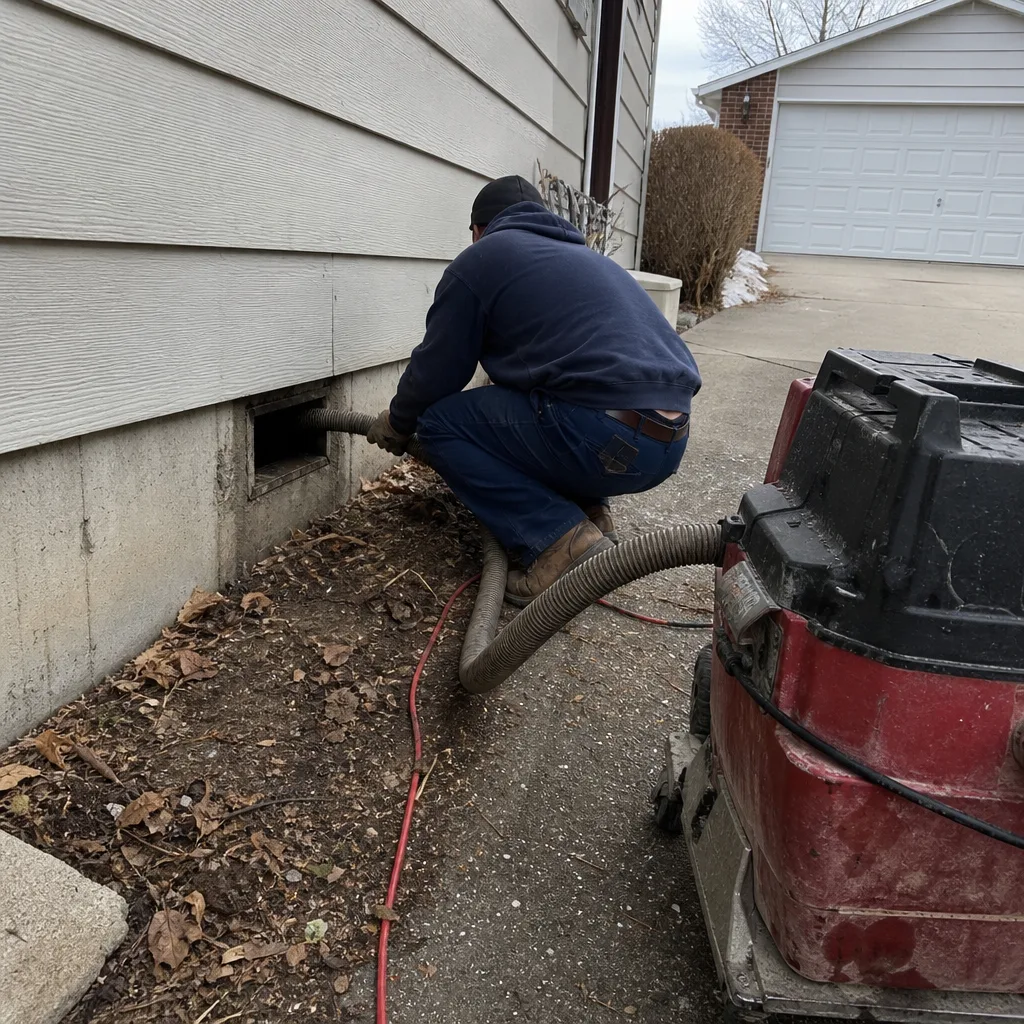 Before
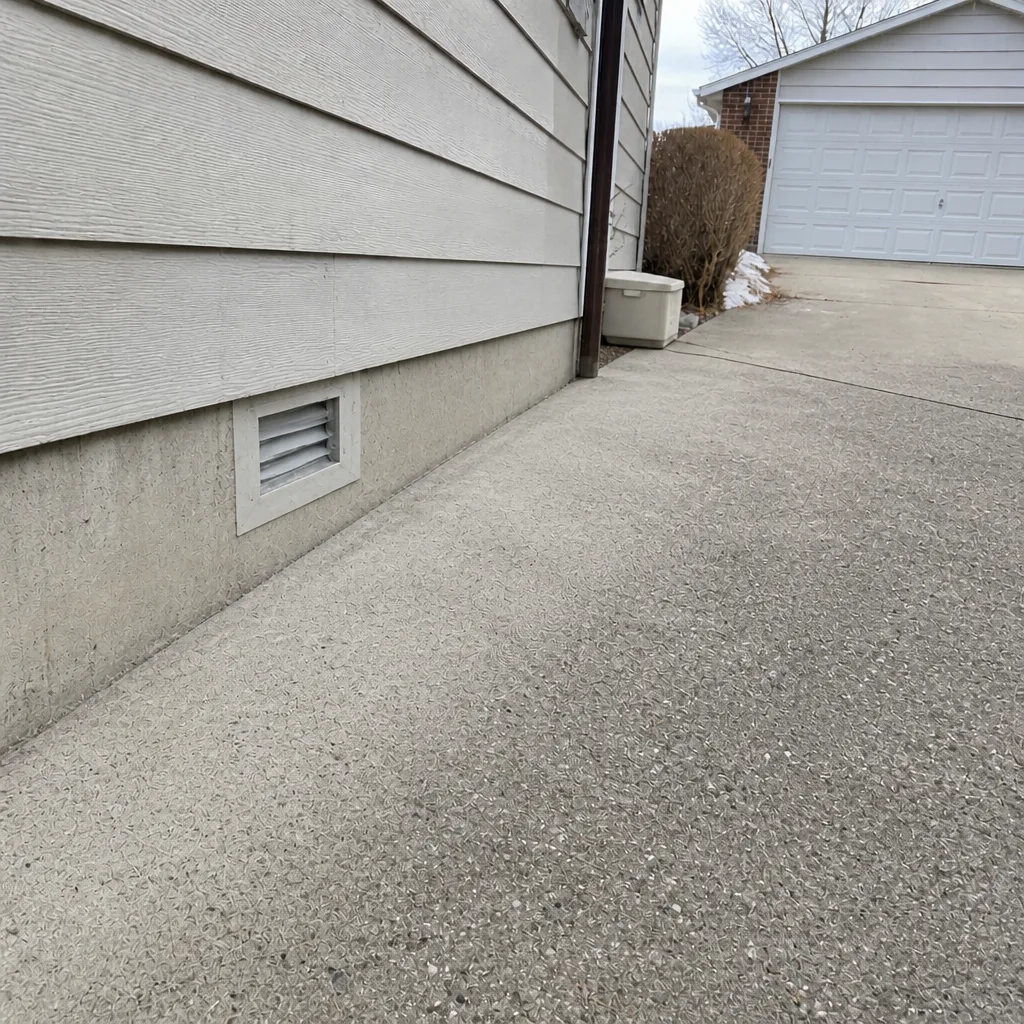 After
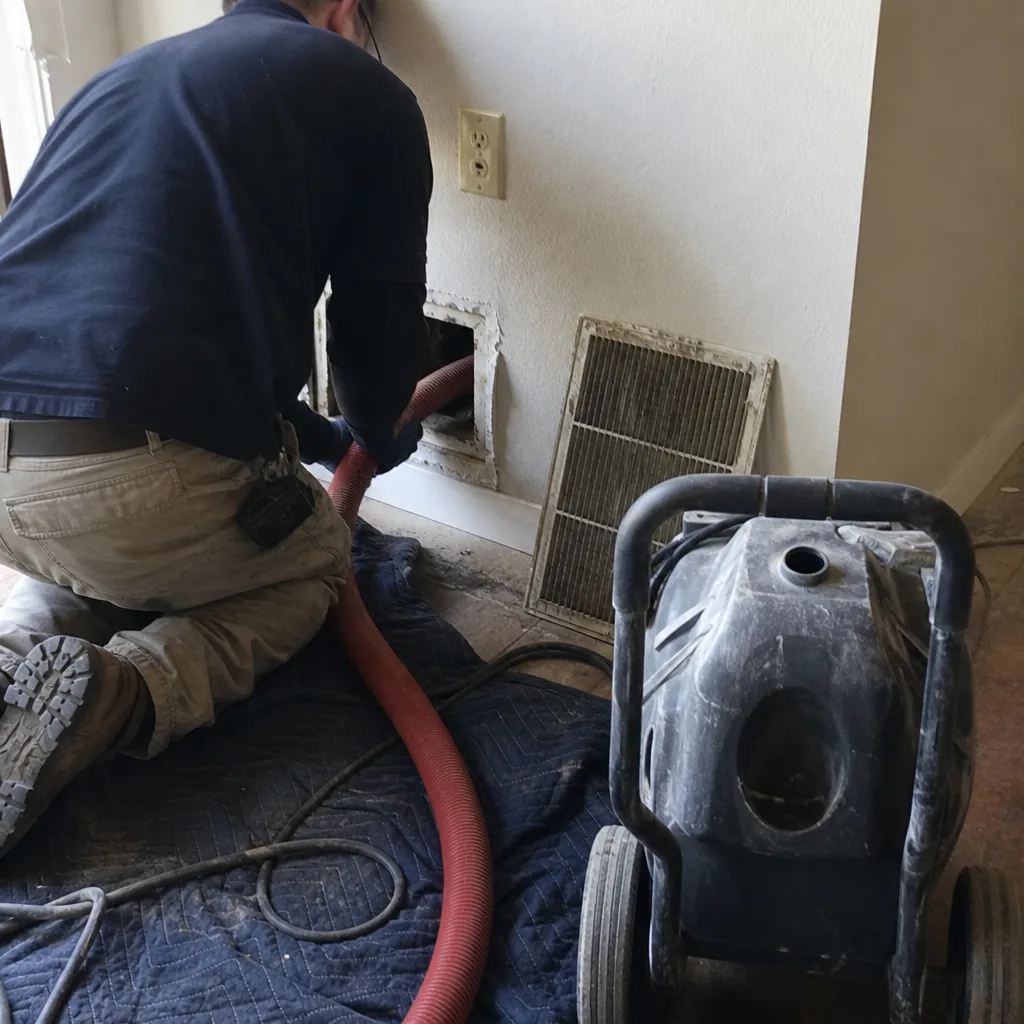 Before
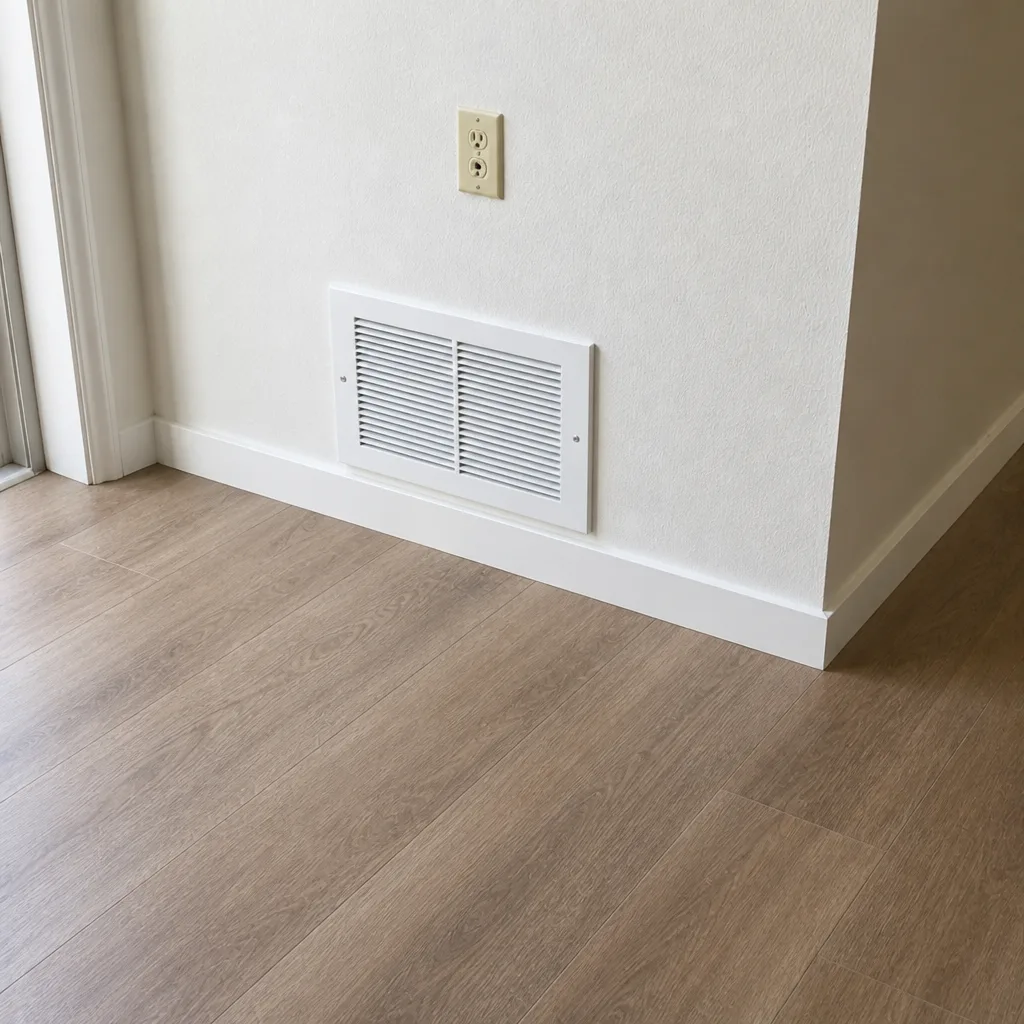 After
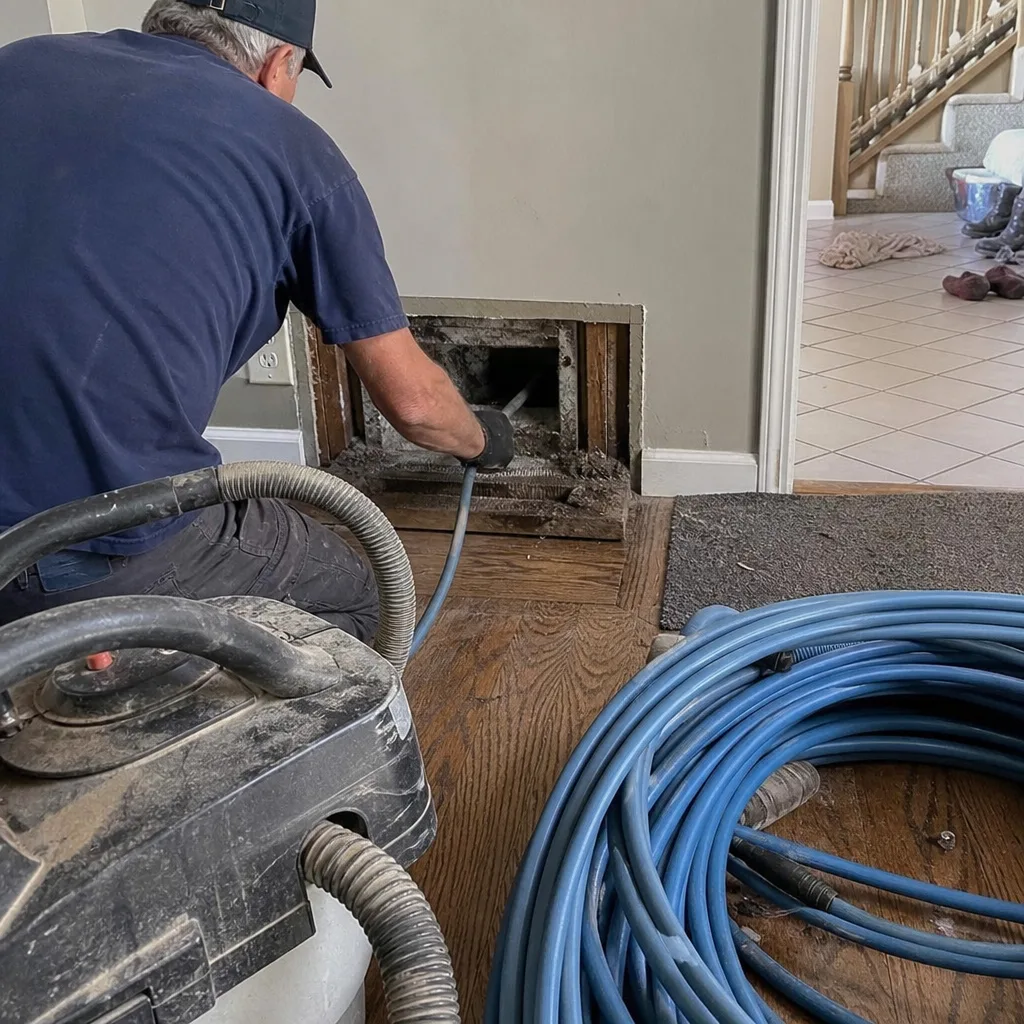 Before
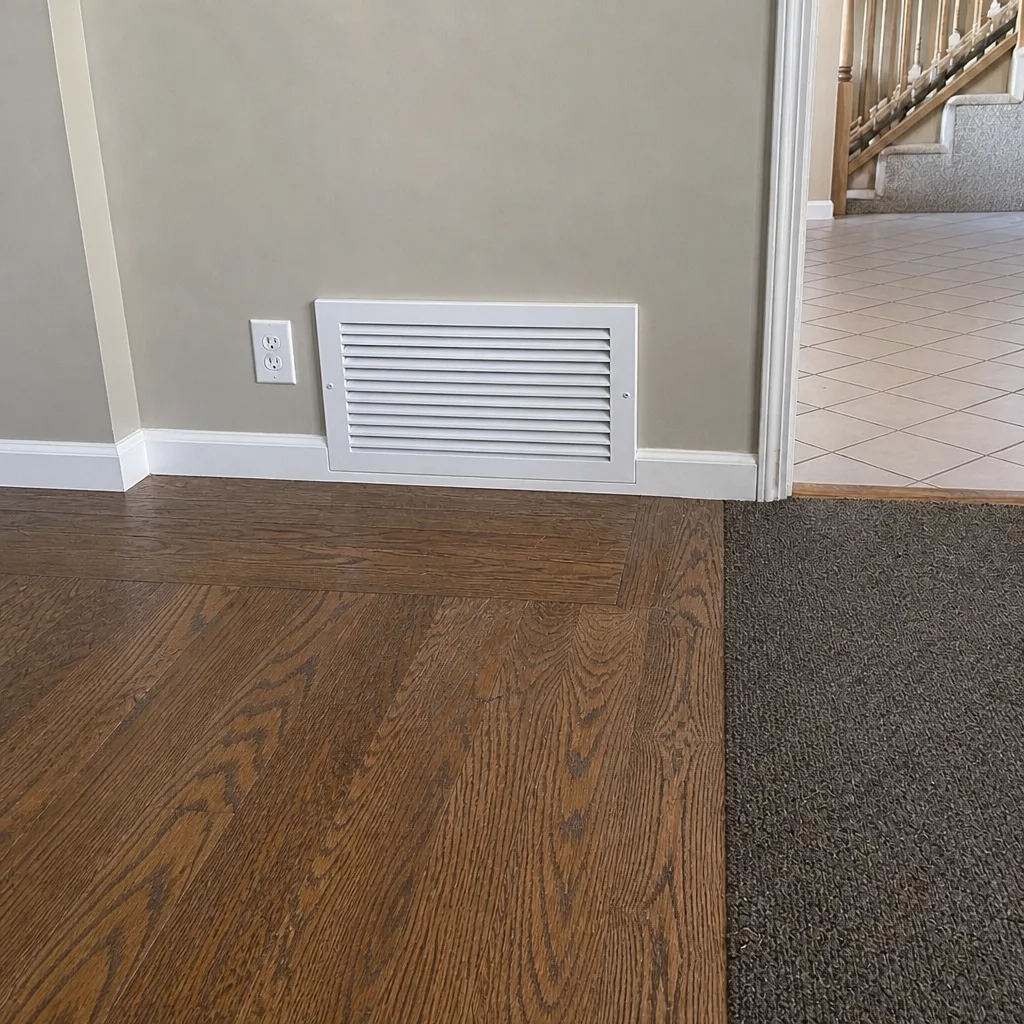 After
When to Call a Professional
Some duct work is routine and some is urgent, and knowing the difference saves you time and money. Call us when you notice visible dust or dark streaks around return grilles, when any family member has allergy symptoms that worsen indoors, after a renovation, after moving into a new home, when the system has sat through a smoke event, or any time you smell combustion residue near the furnace. Call us when the furnace cycles on and the house immediately smells different. Call us when the dryer takes longer than it should.
Brighton Air Duct Cleaning Pros offers free estimates in Brighton. Our technicians have up to 14 years of experience, and we work with Rotobrush and Nikro equipment for the cleaning itself. We answer 24/7, with fast dispatch from 7am to 7pm, Sunday through Friday. Call (877) 770-1719 for your free estimate.
Frequently Asked Questions
Most Brighton homes do well with a cleaning every one to three years, timed to late spring when the heating season ends and before air conditioning starts running daily. Homes with pets, recent renovations, allergies, or heavy occupancy should clean more often. The right interval depends on what’s in the ducts, not on a fixed calendar. Call (877) 770-1719 for an exact quote, and estimates are free.
Yes, for most homes. Spring finishes the heating season and clears winter’s accumulation before summer recirculates it. Fall is inspection season, when you check for leaks and confirm the ducts are ready for the first heating cycle. If your home had a renovation, pets, or an event that pushed contamination higher, spring cleaning can move earlier. Call (877) 770-1719 for an exact quote, and estimates are free.
No. Cleaning during smoke agitates material in the ducts and pushes it into the air you’re trying to protect. Run the system on recirculate, keep windows closed, and clean the ducts once the smoke clears. Replace the filter afterward. Call (877) 770-1719 for an exact quote, and estimates are free.
We price by the job, not by the vent, and the written estimate sets the final number before any work starts. Per-vent pricing is what makes cheap quotes look attractive up front and grow on the invoice, and it’s the reason we don’t use it. For an exact quote on your Brighton home, call (877) 770-1719. Estimates are free.
You see it. We take before-and-after photographs of your own ducts, so you’re not taking anyone’s word for it. A flat price per system agreed before work starts means no surprise on the invoice, and the photos document what changed. Call (877) 770-1719 for an exact quote, and estimates are free.
Cheap quotes usually start with a teaser figure and add per-vent charges once the technician is on site, and the final invoice can be far higher than the number you saw. We don’t sell teaser pricing. We agree one flat price per system before work begins, and the written estimate sets the price. Call (877) 770-1719 for an exact quote, and estimates are free.
Yes, but winter is the less effective window once the house is buttoned up, since the system is running constantly and any agitated dust has fewer places to settle. If winter is when you need the cleaning done, we’ll still do it. The better plan is to schedule late spring for most homes. Call (877) 770-1719 for an exact quote, and estimates are free.
Yes. Dryer vent cleaning is one of our five core services, and pairing it with duct work is the practical choice for most Brighton homes. Lint accumulation in a dryer vent is a fire concern, and it’s the piece most duct-only providers leave out. Call (877) 770-1719 for an exact quote, and estimates are free.
The Bottom Line
Brighton’s four seasons each leave a different load in your duct system: spring dust in, summer recirculation, fall combustion startup, and winter sealing it all inside. A care strategy timed to that cycle works better than a fixed annual appointment. Clean in late spring, inspect in fall, seal whenever you find air loss, and let your home’s real use patterns override the calendar when pets, renovations, or allergies apply. Professional-grade equipment and a full system approach are what make that schedule work. Brighton Air Duct Cleaning Pros offers free estimates in Brighton – call (877) 770-1719. We answer 24/7, with fast dispatch from 7am to 7pm, Sunday through Friday.
Written by the team at Brighton Air Duct Cleaning Pros.