
Last updated November 25, 2026
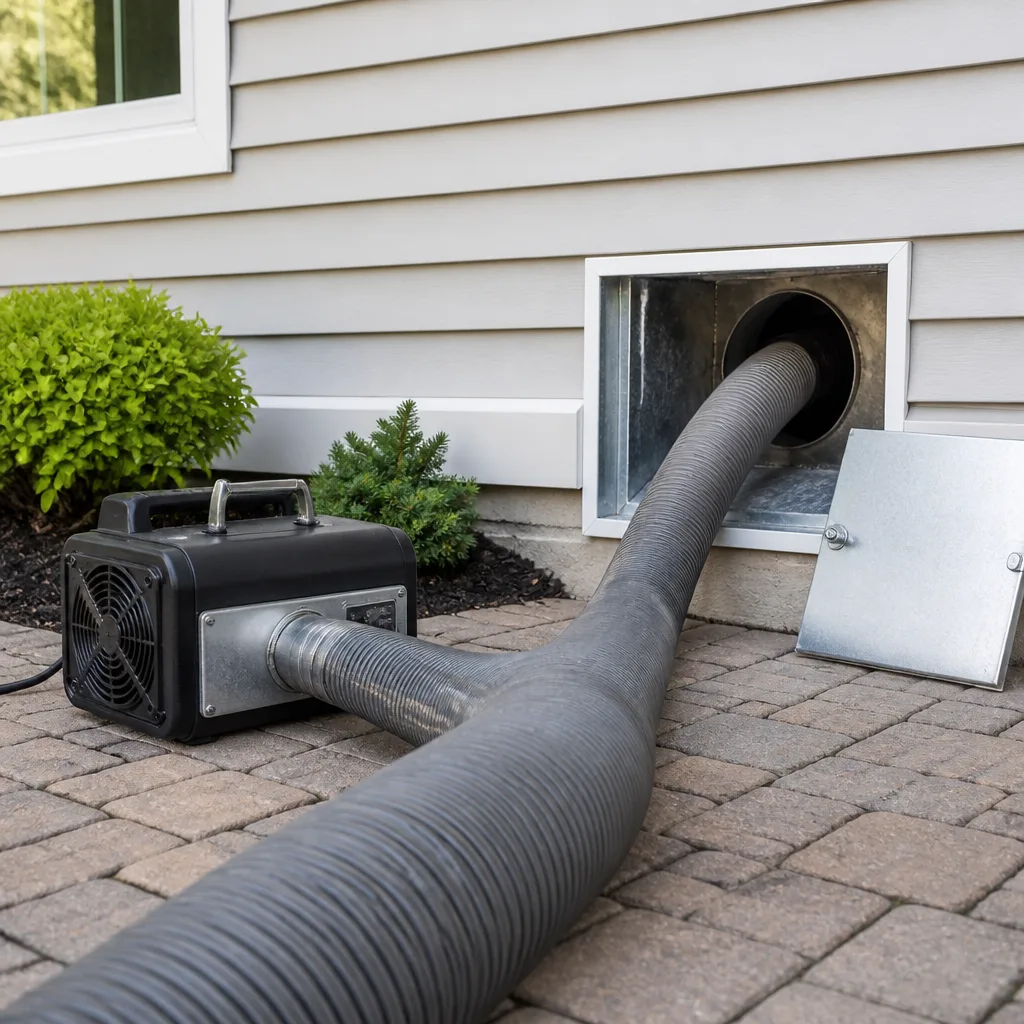 Whole-home duct cleaning
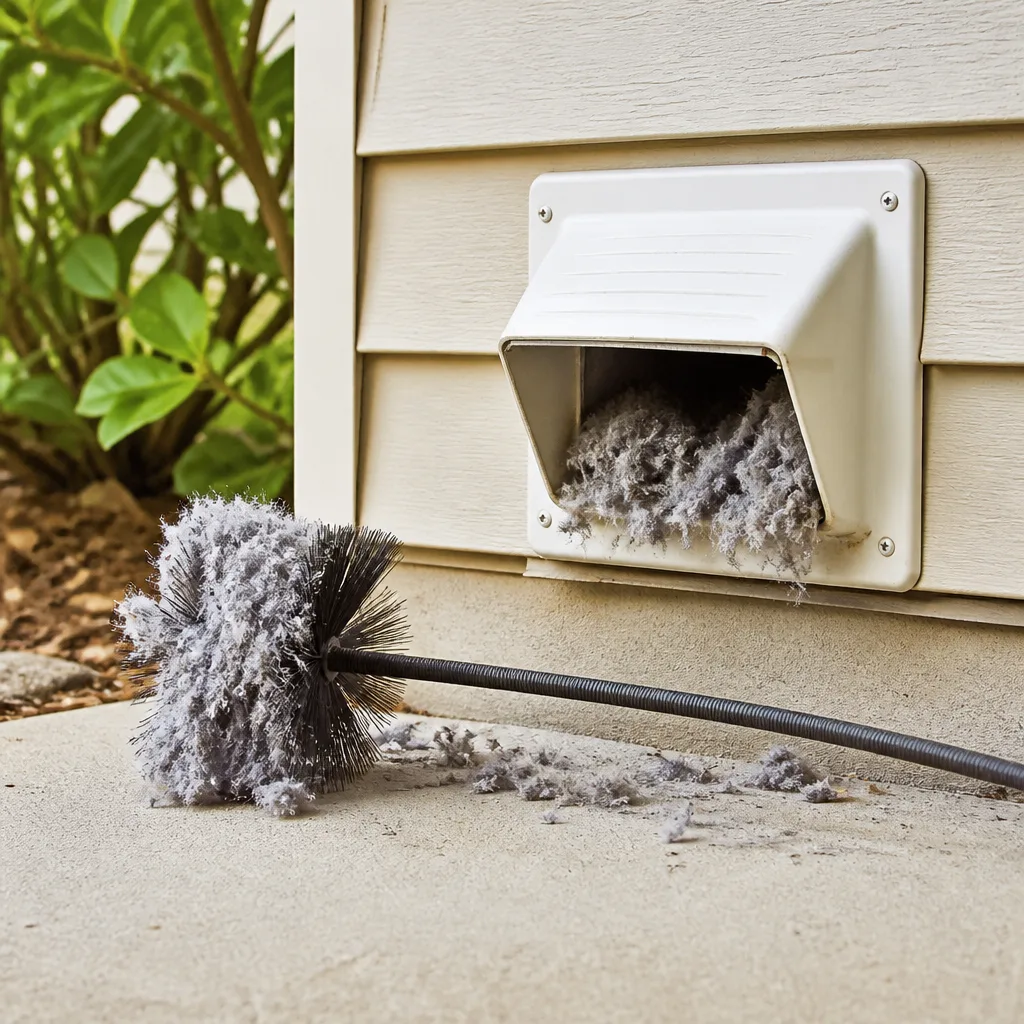 Dryer vent cleaning
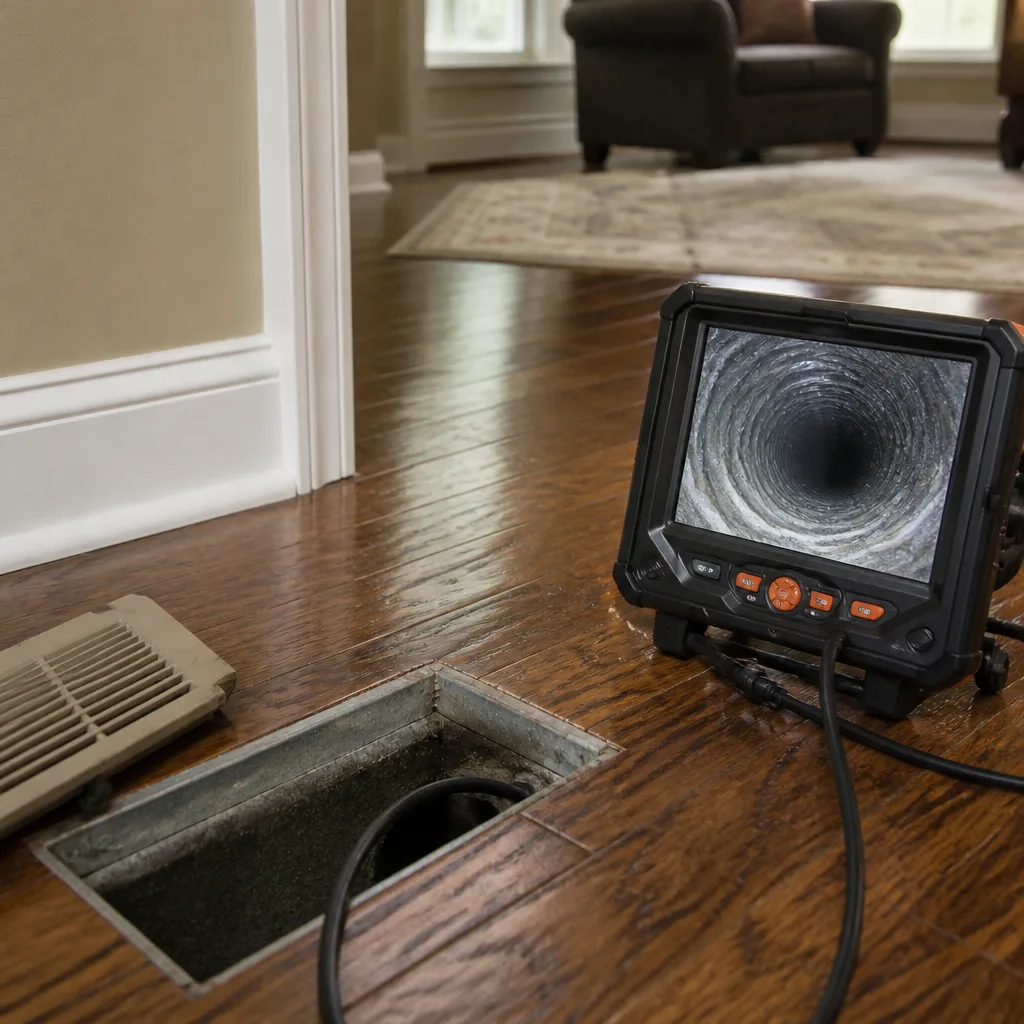 Camera inspection
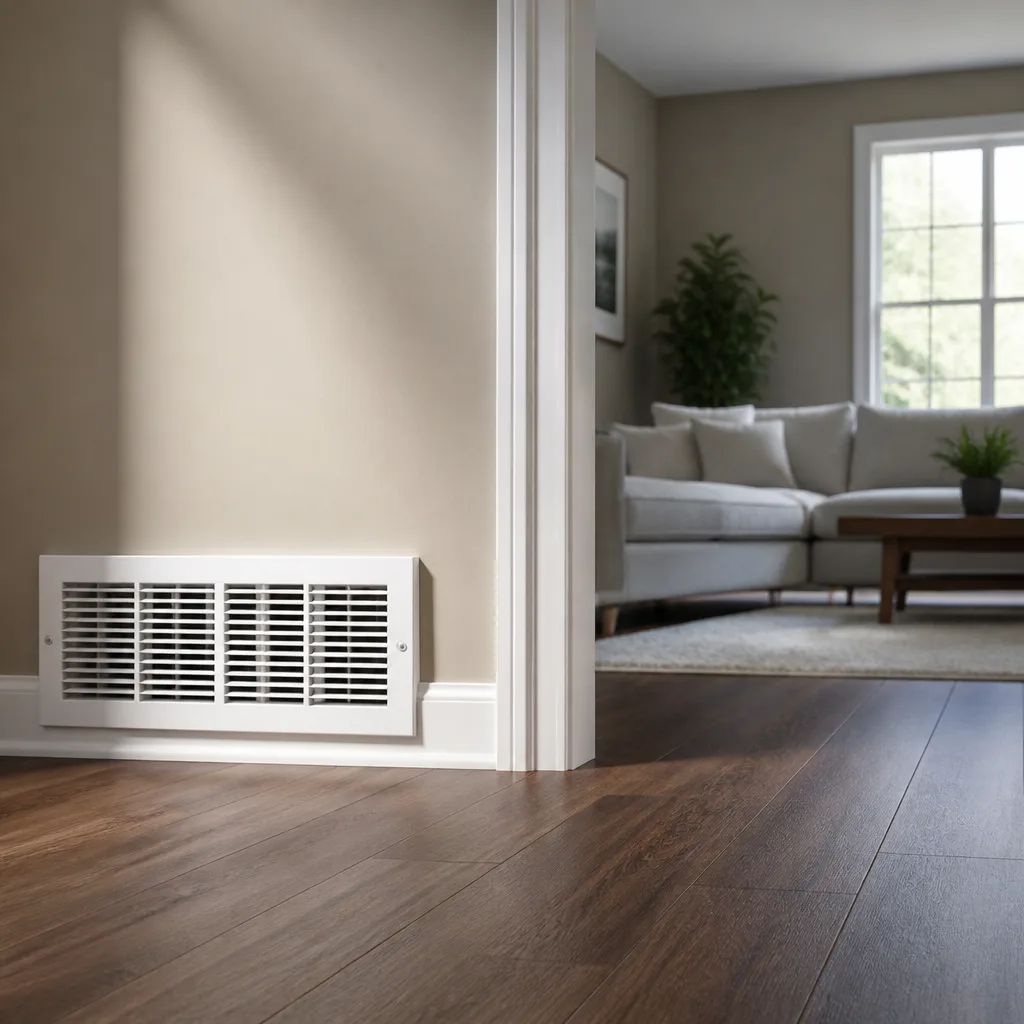 Sanitizing & deodorizing
Whole-system duct and dryer vent check with before-and-after photos - you see exactly what came out of your vents
That "$99 whole-house special" is a bait ad - the real number appears once they are in your hallway, or the "clean" is a shop-vac at the register. We photograph the inside of your ducts before and after instead.
DIY vs Professional Air Duct Cleaning: The Brighton Homeowner’s Decision Guide
Here’s a fact that surprises most people who try it themselves: a shop vac sealed against a register opening doesn’t clean a duct. It cleans the first 18 inches of the run and pushes everything behind it deeper into the system. The suction is real, the reach isn’t. Real duct cleaning depends on negative pressure strong enough to pull debris out of the far ends of a duct run, and that’s a pressure level a household vacuum can’t create. We’re Brighton Air Duct Cleaning Pros, and this guide is our honest line between what a Brighton homeowner can do well and where professional equipment stops being optional. You won’t get a sales pitch here, you’ll get the physics of why this work is different.
Quick Answer
Most Brighton homeowners can and should handle register cleaning, filter-housing wipe-downs, and visual inspections themselves. Actual duct cleaning is different: it requires negative pressure strong enough to extract debris from inside the duct runs, which consumer equipment cannot generate. If your ducts have visible debris, mold concerns, pest activity, or a long-neglected history, professional cleaning with remediation-grade equipment is the practical choice – not because DIY is unsafe, but because DIY equipment physically can’t finish the job.
Styles & brands we work with
- Whole-home duct cleaning
- Dryer vent cleaning
- Camera inspection
- Sanitizing & deodorizing
Table of Contents
- What Negative Pressure Actually Means in Duct Cleaning
- What Brighton Homeowners Can Legitimately Do Themselves
- Where DIY Runs Out of Equipment
- When a DIY Attempt Makes the Professional Job Harder
- The Cost-Benefit Math: When Professional Cleaning Pencils Out
- What to Do Between Professional Cleanings
- DIY vs Professional: A Side-by-Side Comparison
- When to Call a Professional
What Negative Pressure Actually Means in Duct Cleaning
Negative pressure is the whole game. In duct cleaning, “negative pressure” means the technician creates a sealed vacuum on the duct system so the air inside is pulled inward, toward the collection equipment, rather than escaping into the room. When done right, that pressure holds for the full length of every run you’re cleaning. Debris dislodged from a vent or from inside a duct gets carried toward the collector, not into the living room.
Creating that pressure requires a few things a shop vac doesn’t have:
- A sealed connection to the duct system. The vacuum has to attach at a main trunk or at a strategic return opening and hold a seal under load. Tape and hope don’t cut it.
- Enough airflow and collection capacity. A truck-mounted or high-capacity portable unit moves a large volume of air continuously. Small consumer vacuums move a fraction of that and lose suction as the tank loads up.
- Agitation tools. Air whips and rotary brushes dislodge debris from the duct walls so the pressure can carry it away. Without agitation, debris stays stuck.
- HEPA-level filtration on the exhaust. If the vacuum doesn’t filter what it pulls, fine particles come back into the room. This is where professional systems from Rotobrush and Abatement Technologies matter – they’re built to hold pressure and filter the exhaust stream.
In our experience, that combination is the difference between a duct that’s actually clean and a duct that has simply been disturbed. The homeowner is paying for the outcome, so the equipment has to be capable of delivering it. The physics doesn’t change much across Colorado’s Front Range, but the equipment level determines the result.
What Brighton Homeowners Can Legitimately Do Themselves
There’s a lot a homeowner can do well. None of it requires specialized equipment, and all of it makes the professional’s job easier when the time comes.
Here’s what belongs on a homeowner’s list:
- Remove and clean the register covers. Pop the grille off, wash it in a sink or outdoors with a mild cleaner, and dry it fully before reinstalling. This alone cuts a meaningful amount of visible dust at the point where air exits.
- Wipe down the filter housing and the immediate return chamber. The surfaces just inside the return grille collect dust quickly. A damp cloth or a vacuum with a brush attachment handles the accessible surface.
- Change filters on schedule. A filter that’s clogged forces the system to work harder and lets more particles slip by. Check monthly during heavy-use seasons.
- Do a visual inspection with a flashlight. Remove a register, shine a light down the run, and look for obvious debris, rodent droppings, or dark discoloration. A smartphone on a selfie stick gives you a better look at the duct walls without any special tool.
- Check for air leaks at accessible joints. Foil tape or duct mastic at a clearly separated joint is a reasonable homeowner repair for an exposed duct in a basement or crawlspace.
- Keep the return grille clear. Furniture, rugs, and storage boxes against a return choke the system. A little clearance makes a difference.
These chores are the legitimate DIY side of duct care. They won’t replace a professional cleaning, but they slow recontamination and they help you catch a problem before it becomes expensive. If you already have a scheduled professional visit coming up, this list is worth doing in the week before.
Where DIY Runs Out of Equipment
The honest dividing line is equipment capability, not homeowner ability. A careful homeowner with good tools can do a lot of house maintenance. Air duct cleaning is one of the tasks where the work is defined by the equipment, and consumer equipment sits on the wrong side of that line.
Here’s what goes beyond what a homeowner can realistically achieve:
- Extraction from the full length of a duct run. A shop vac nozzle reaches the first 18 inches or so. The rest of the run stays as it was.
- Agitation of duct walls. Rotary brushes and air whips are the tools that break caked debris off the duct interior. Consumer options can’t reach them into the system.
- Sanitizing with an EPA-registered product applied correctly. Applying sanitizer through a shop vac hose is not the same as fogging or misting a duct system with containment in place. See the air duct cleaning page for how this fits into a full service.
- Mold remediation with containment. Disturbing visible mold without proper containment spreads spores through the home. This is a remediation-level task, not a cleaning task.
- Duct repair and sealing beyond reachable joints. Cracks and separations inside a duct chase, or in a run you can’t access, need professional tools and sealing materials. This is a service most duct cleaners don’t offer at all; see HVAC cleaning for how we approach the equipment side.
- Dryer vent cleaning at the full length of the run. The dryer vent is one of the most overlooked fire-safety items in a home. The lint that packs into the full vent run isn’t accessible to a homeowner tool. See dryer vent cleaning for why this gets its own service.
In our experience, the gap between DIY and professional results is usually much bigger than the homeowner expected. That’s not a criticism of the homeowner. It’s a description of the tools.
When a DIY Attempt Makes the Professional Job Harder
Sometimes a DIY attempt doesn’t just fail to clean the ducts – it makes the eventual professional job more expensive. The physics again: without extraction, dislodging debris simply moves it into the system and out of view.
The situations worth knowing about:
- Compressed debris clogs. A homeowner with a shop vac who packs debris against a fitting doesn’t just leave it there, they compress it. What could have been extracted in one pass becomes a clump that has to be broken up before the run clears.
- Disturbed mold without containment. Shining a light and seeing mold is fine. Scrubbing at it with a brush on a stick, or blowing air through the duct to “see what comes out,” spreads spores into the living space. That’s the scenario you want to avoid entirely.
- Rodent debris disturbed without protection. If a duct has visible rodent activity, don’t stir it up. Rodent droppings in a duct system carry real contamination risk. Protect yourself, close off the room, and call a professional.
- Damage to flexible duct interior lining. Flexible duct runs have a thin inner liner that tears easily. A rigid tool on a stick driven too far can rip it, and then you’re replacing the run instead of cleaning it.
- Over-taped joints. Foil tape on a joint that actually needs mastic holds until it doesn’t. On higher-pressure systems, failed tape becomes an air leak you’ll need to fix later.
We’ve had more than a few calls from Brighton homeowners who tried the shop-vac approach and ended up needing more work, not less. Nobody’s judging, but the pattern is consistent enough that it’s worth calling out.
The Cost-Benefit Math: When Professional Cleaning Pencils Out
Professional air duct cleaning isn’t right for every home, every year. If a home was cleaned recently and the system is well maintained, there may genuinely be nothing worth cleaning yet. The math changes based on a few factors: how long it’s been since the last cleaning, whether there’s been a renovation, whether pets live in the home, and whether anyone in the household has allergies or asthma.
A rough framework for thinking about it:
| Situation | Practical call |
|---|---|
| Newer home, cleaned within the last few years, no symptoms | Skip it. DIY maintenance is enough. |
| Recent renovation or major construction nearby | Professional cleaning – drywall dust and construction debris get everywhere. |
| Visible debris at registers, or musty smell when the system runs | Professional cleaning; likely a mold or moisture issue under the surface. |
| Household members with allergies, asthma, or respiratory concerns | Professional cleaning with sanitizing is worth a look. |
| Multiple pets in the home | Annual or biennial professional cleaning usually pays off. |
| Home has been in the family a long time and never cleaned | Professional cleaning, no question. |
| Pest activity or rodent evidence | Professional cleaning with containment and sanitizing. |
| Recently moved in and no records from previous owner | One professional cleaning to establish a baseline. |
Brighton sits east of the foothills where the wind carries a lot of fine dust, especially in spring. Homes on the east side of town tend to accumulate dust in the return side faster than homes tucked closer to the foothills. That’s a real local factor, and it’s one reason we see cleaning recommended a little more often here than a national average would suggest. If you’re not sure where your home sits on this list, the free walkthrough is worth the call. Most of the time we can tell you within a few minutes whether a cleaning is genuinely needed or whether you can wait another year.
What to Do Between Professional Cleanings
Once the ducts are clean, the goal shifts: slow recontamination so the next cleaning isn’t urgent. These steps don’t require any special equipment, and they add up.
- Change filters on a schedule that matches your home. Homes with pets, kids, or anyone with allergies need more frequent changes. A clogged filter makes the system work harder and lets more particles through.
- Keep the return grille clear. Don’t push furniture, rugs, or storage against a return. Even a few inches of clearance helps airflow and reduces dust pickup.
- Vacuum regularly with a HEPA-filter vacuum. Every particle you lift off the floor is one that won’t get pulled into the return.
- Control humidity. High humidity in the ducts creates the conditions for mold growth. In Brighton’s drier climate, this is less of a concern than in coastal markets, but bathroom and laundry exhaust still matter.
- Address water intrusion immediately. A small leak around an HVAC unit or duct joint becomes a moisture source for mold if it isn’t fixed.
- Keep the dryer vent clear. This is a safety item, not just an efficiency item. Lint accumulation in the vent run is a fire risk. If you haven’t looked at the vent in a year, look at it now.
- Note changes in system performance. Weak airflow at one vent, musty smells, or a rise in dust throughout the house are early signals to schedule a check.
If you already have an Aprilaire or Honeywell filtration system paired with your HVAC, the filter and housing maintenance schedule should be more frequent than a standard setup. These systems do more work, and they need more attention. We work with both brands regularly, so if you’re not sure which filter or housing belongs with your system, that’s a conversation worth having before buying replacements.
DIY vs Professional: A Side-by-Side Comparison
Here’s the framework in one place. It’s the same comparison we walk through with homeowners who call us for a free estimate, and it holds up whether or not you decide to book a cleaning.
| Task | Realistic DIY? | Notes |
|---|---|---|
| Register cover cleaning | Yes | Wash, dry fully, reinstall. |
| Filter change and housing wipe-down | Yes | Follow the filter rating your system is designed for. |
| Visual inspection of accessible duct | Yes | Flashlight or phone camera on a stick works fine. |
| Extraction from full duct runs | No | Requires negative pressure and collection equipment. |
| Agitation of duct wall debris | No | Requires rotary brushes and air whips. |
| Sanitizing with containment | No | Requires proper containment and application method. |
| Mold remediation | No | Remediation-level task; professional containment required. |
| Duct repair and sealing (accessible) | Sometimes | Simple joint sealing is fine; internal runs are not. |
| Duct repair and sealing (internal runs) | No | Requires professional access and materials. |
| Dryer vent cleaning (full run) | No | Fire-safety item; full-length lint removal needs pro tools. |
| Full HVAC system cleaning | No | See HVAC cleaning – equipment-driven by definition. |
The pattern is consistent: the more a task depends on equipment, the less realistic DIY becomes. That’s the line. There’s no gray area where the homeowner can do the equipment-driven tasks with consumer tools. There’s just the equipment threshold, and it’s higher than most people think.
See the difference
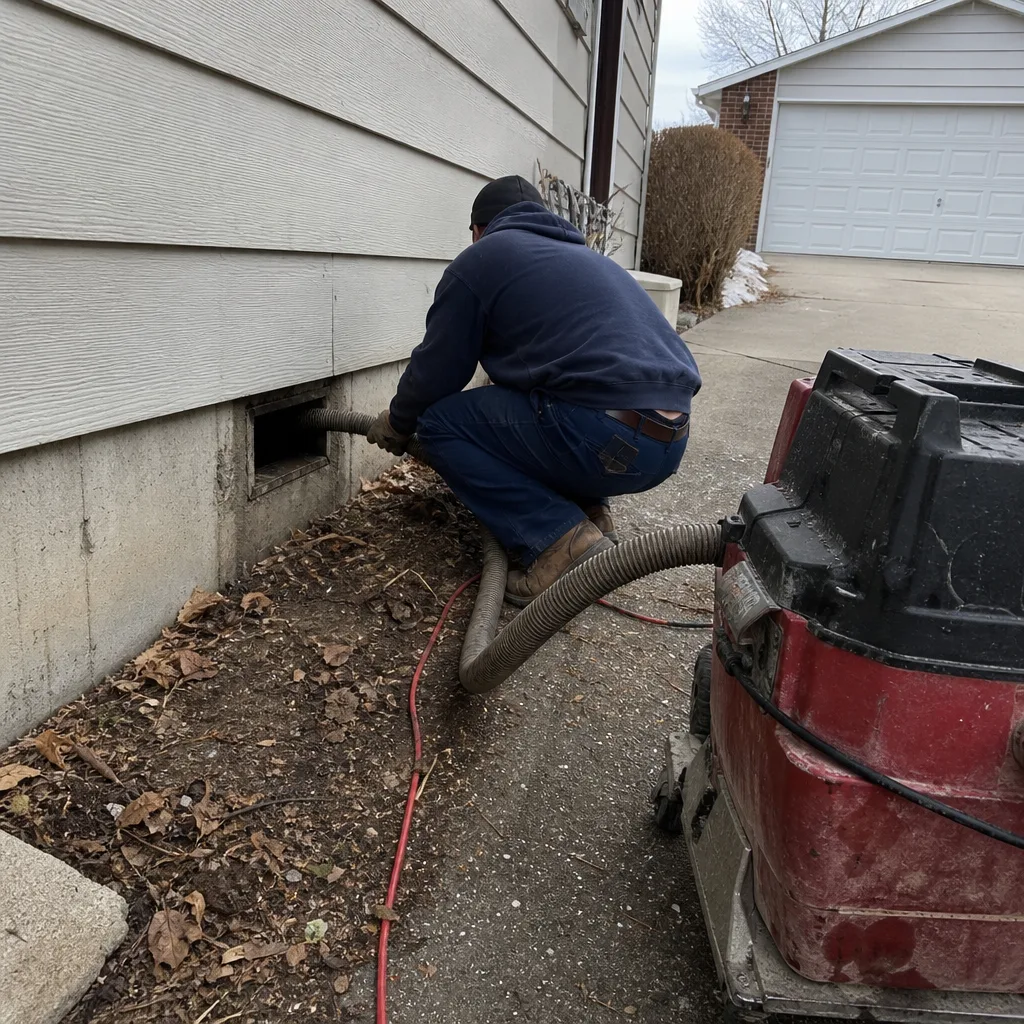 Before
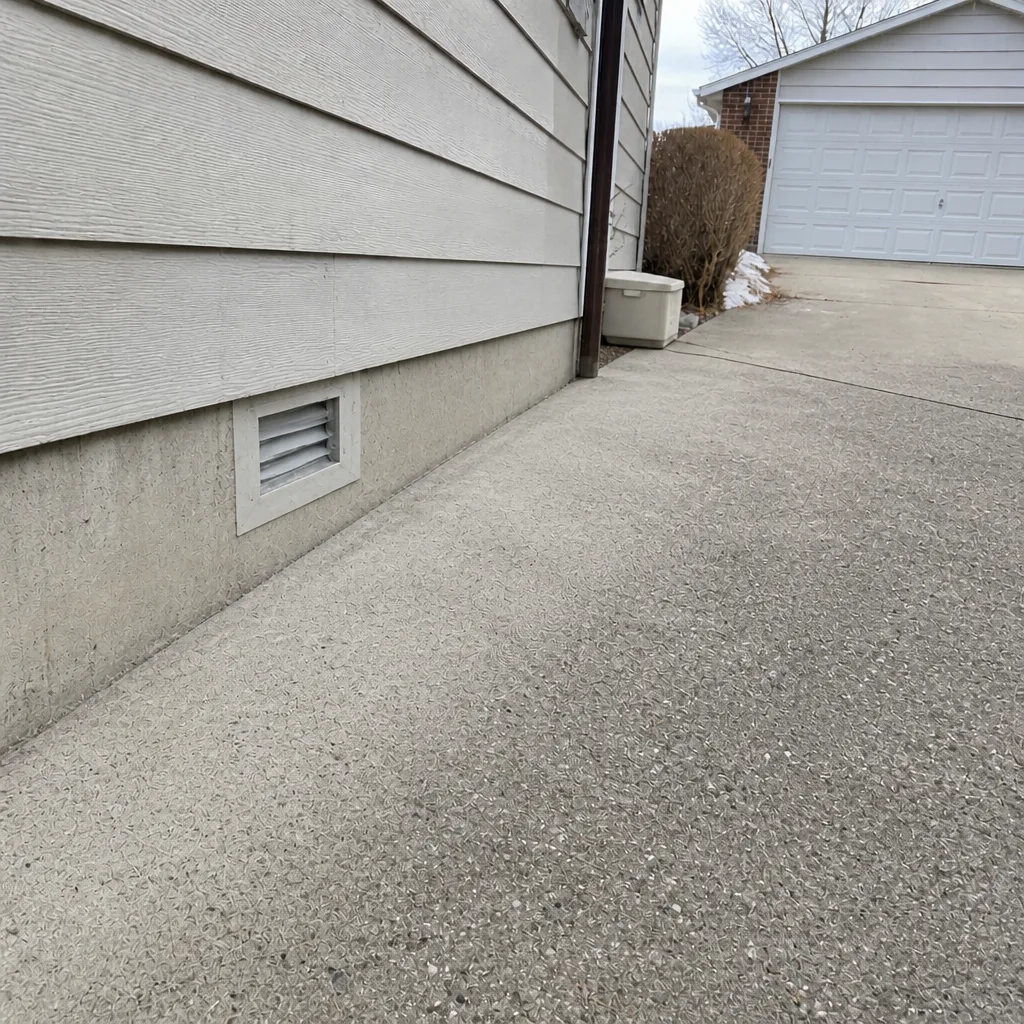 After
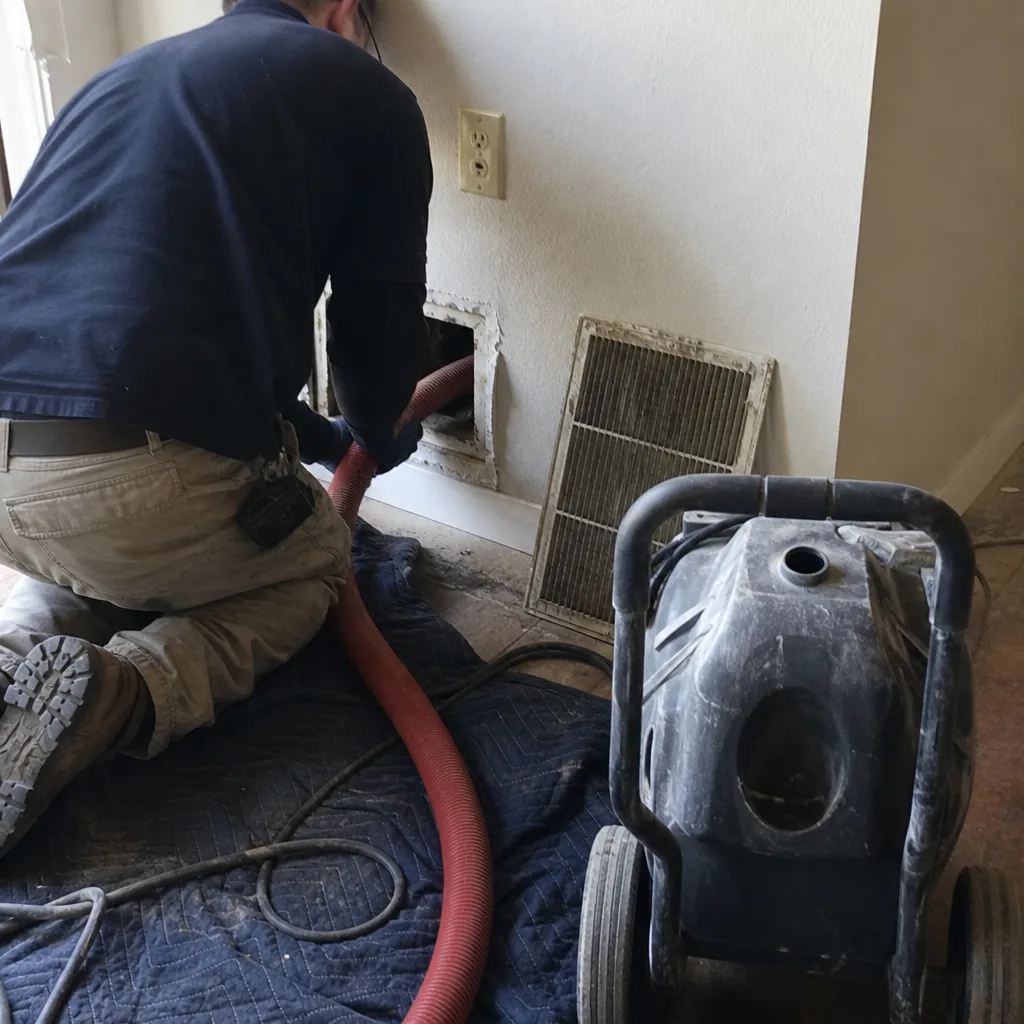 Before
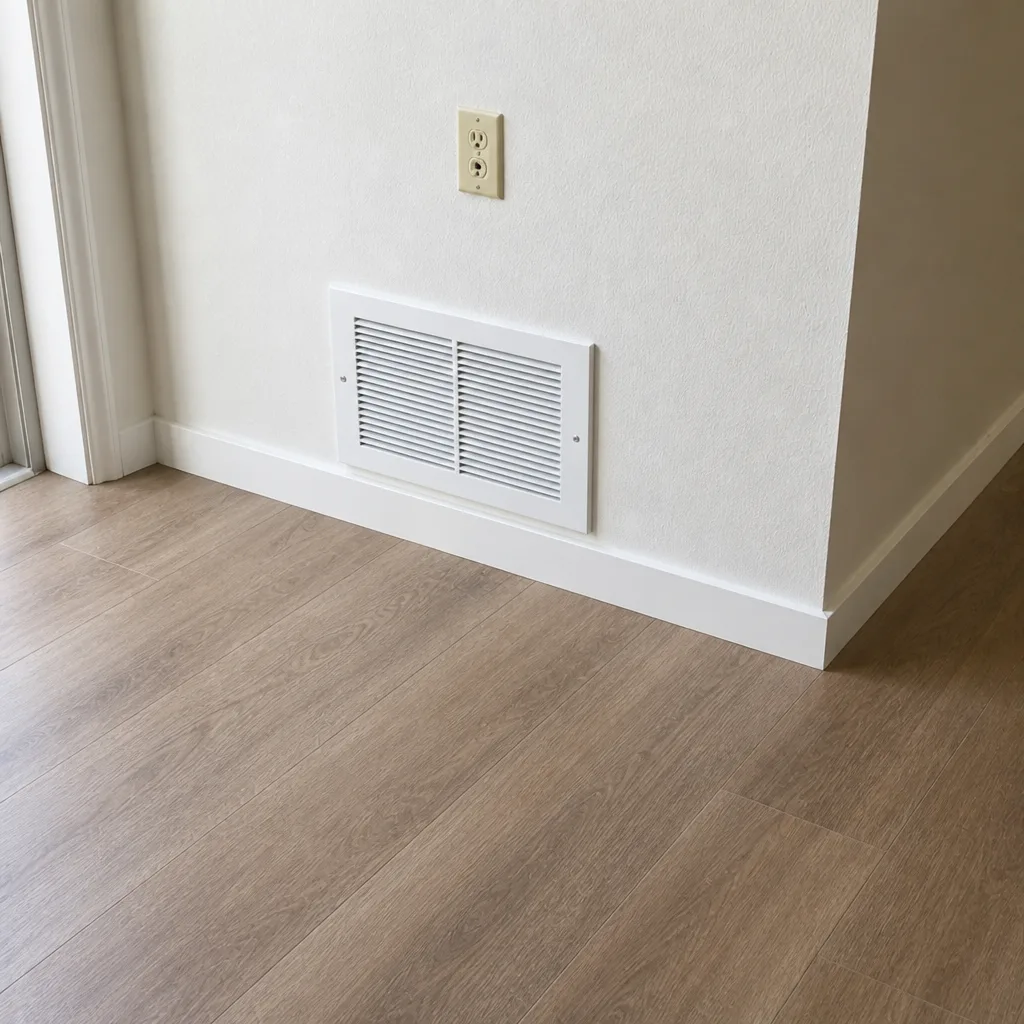 After
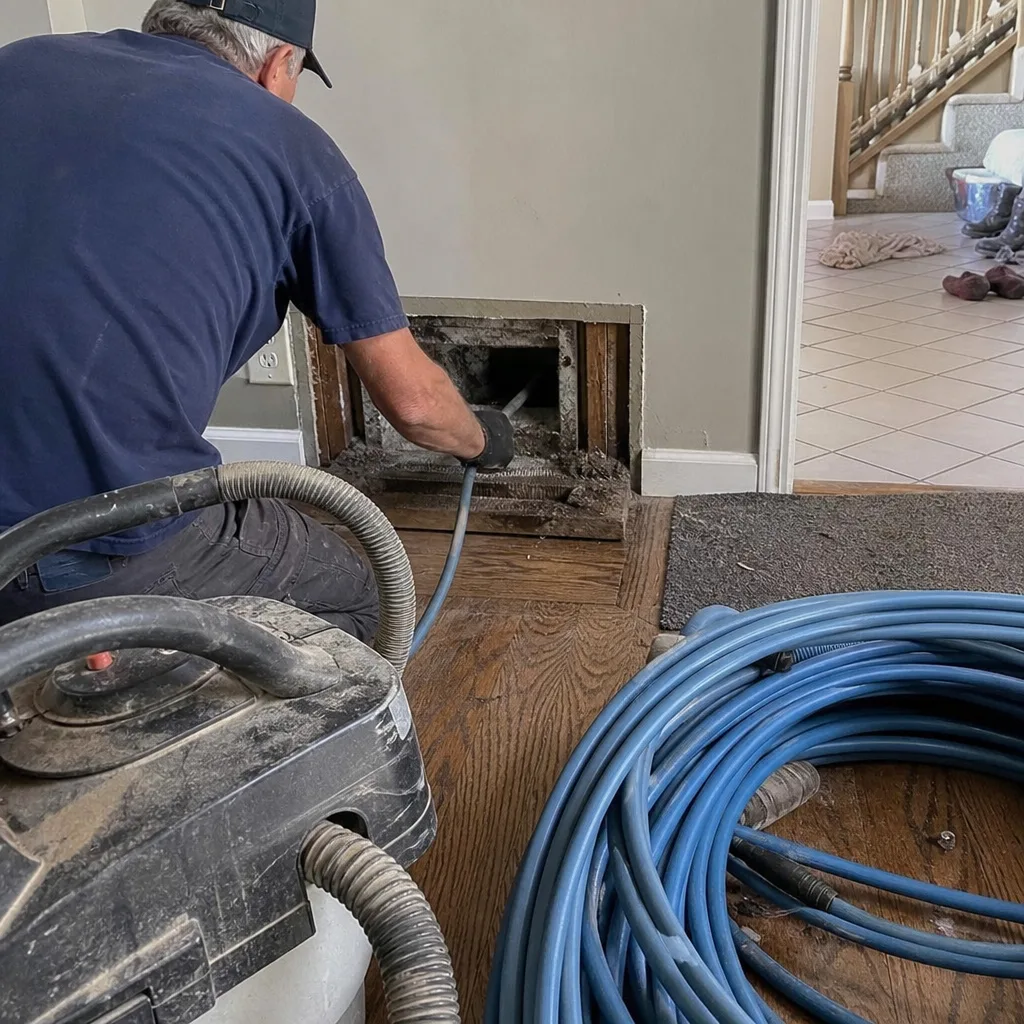 Before
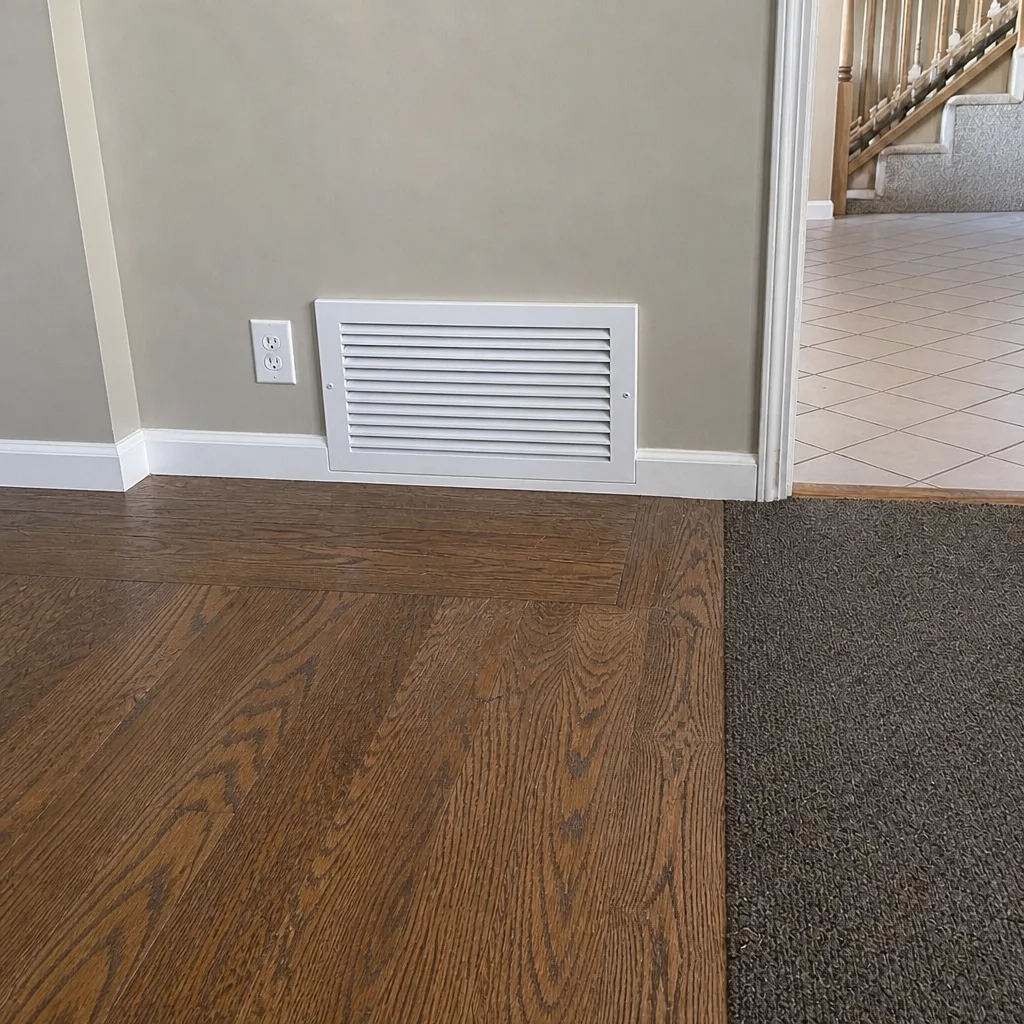 After
Common Mistakes to Avoid
- Treating a shop vac on a register as “duct cleaning.” It cleans the first 18 inches and pushes debris deeper into the run. If the goal is genuinely clean ducts, the equipment has to be able to extract, not just dislodge.
- Spraying consumer sanitizer into a register opening. Consumer sprayers don’t create the mist distribution a duct system needs, and without containment the “sanitizing” doesn’t reach the duct surfaces that matter. Professional sanitizing is a separate method.
- Assuming a musty smell is a duct problem and nothing more. In our experience, a persistent musty smell usually traces back to moisture somewhere – a leak, a humidifier issue, or a condensate drain – before it’s a duct problem. Fixing the moisture source comes first.
- Skipping the dryer vent because it’s “not the air ducts.” The dryer vent is one of the most overlooked fire-safety items in a Brighton home. Lint accumulates silently in the full run, and a homeowner can’t reach most of it. This is a separate service for a reason.
- Buying a filter rated higher than the system is designed for. A filter with a heavier rating than the system’s blower handles chokes airflow. Match the filter to what the system is designed for, not to what the label says is the “best” filter.
- Taping a duct joint that needs mastic. Foil tape on a higher-pressure joint holds until it doesn’t. If you’re sealing a joint for the long term, use the right material for that joint – and if it’s in a run you can’t see, leave it to a professional.
- Ignoring small signs of trouble. Weak airflow at one vent, a rise in dust, or a musty odor on startup are early signals. Small fixes stay small when you catch them early. Waiting usually means more work later.
When to Call a Professional
Call a professional when any of these describe your home: visible debris or dark discoloration inside a duct, a musty smell when the system first starts up, evidence of rodent or pest activity in the duct system, recent renovation or construction dust, an upcoming change of occupants, a household member with asthma or significant allergies, or a dryer vent that hasn’t been cleaned in a long time. A professional also matters if you’re not sure – a walkthrough with proper inspection tools catches things a flashlight can’t. Brighton Air Duct Cleaning Pros offers free estimates in Brighton – call (877) 770-1719. We answer 24/7, and we’ll tell you honestly whether the cleaning pencils out or whether you can wait.
Frequently Asked Questions
Air duct cleaning pricing in Brighton depends on the size of the system, the number of duct runs, accessibility, and whether sanitizing or duct repair is needed. We quote a flat price per system after a walkthrough, not a per-vent price, and the written estimate sets the final price. Call (877) 770-1719 for a free estimate – a real number is easier to work with than a range.
No. A shop vac can clean the first 18 inches of a duct run through a register opening, and it can dislodge debris deeper into the system, but it cannot create the negative pressure required to extract debris from inside the runs. Real duct cleaning depends on truck-mounted or high-capacity portable equipment with proper filtration. A shop vac on a register is not a substitute for that.
Cheap quotes usually cover less equipment and less time, not a better price. Some low quotes are built around a quick surface pass with consumer-grade tools, or around a per-vent price that balloons once the technician is on site. Ask what equipment the company uses, whether they carry professional-grade systems like Rotobrush or Abatement Technologies, and whether the price is flat per system or per vent. A written estimate per system is the structure that protects you.
Ask for before-and-after photos of your own ducts, not stock images. A professional cleaning involves opening returns and registers, sealing the system to collection equipment, and agitating the duct runs – all of which are visible in photos. If a company can’t show you pictures of the actual ducts they treated, that’s a real question mark.
Most homes land on a schedule somewhere between every few years and once a year, depending on pets, allergies, renovation history, and how heavily the system runs. Brighton’s dust load, especially on the east side of town, pushes many homes toward more frequent cleaning than a national average. A free walkthrough will tell you whether you’re at the point where cleaning is worth it.
Not always. Many duct cleaning companies skip the dryer vent entirely, which is a mistake – the dryer vent is one of the most overlooked fire-safety items in a home. We offer dryer vent cleaning as a separate service because the tools and method are different, and it’s worth doing on its own schedule. Call (877) 770-1719 to check whether your last cleaning included it.
The Bottom Line
DIY duct cleaning isn’t wrong, it’s just limited by equipment. Register cleaning, filter maintenance, and visual inspection are all real homeowner tasks that slow recontamination and catch problems early. Actual duct cleaning depends on negative pressure and extraction tools a consumer can’t buy. When in doubt, the free walkthrough is the answer: it tells you whether your home needs cleaning now or whether you can wait a year. Brighton Air Duct Cleaning Pros handles the full chain – cleaning, sanitizing, dryer vent service, and duct repair and sealing – with professional-grade equipment from Rotobrush, Nikro, and Abatement Technologies, and compatibility with the Aprilaire and Honeywell systems many Brighton homes already run. If you want a straight answer, call (877) 770-1719. We answer 24/7, and the estimate is free.
Written by the team at Brighton Air Duct Cleaning Pros.