
Last updated November 25, 2026
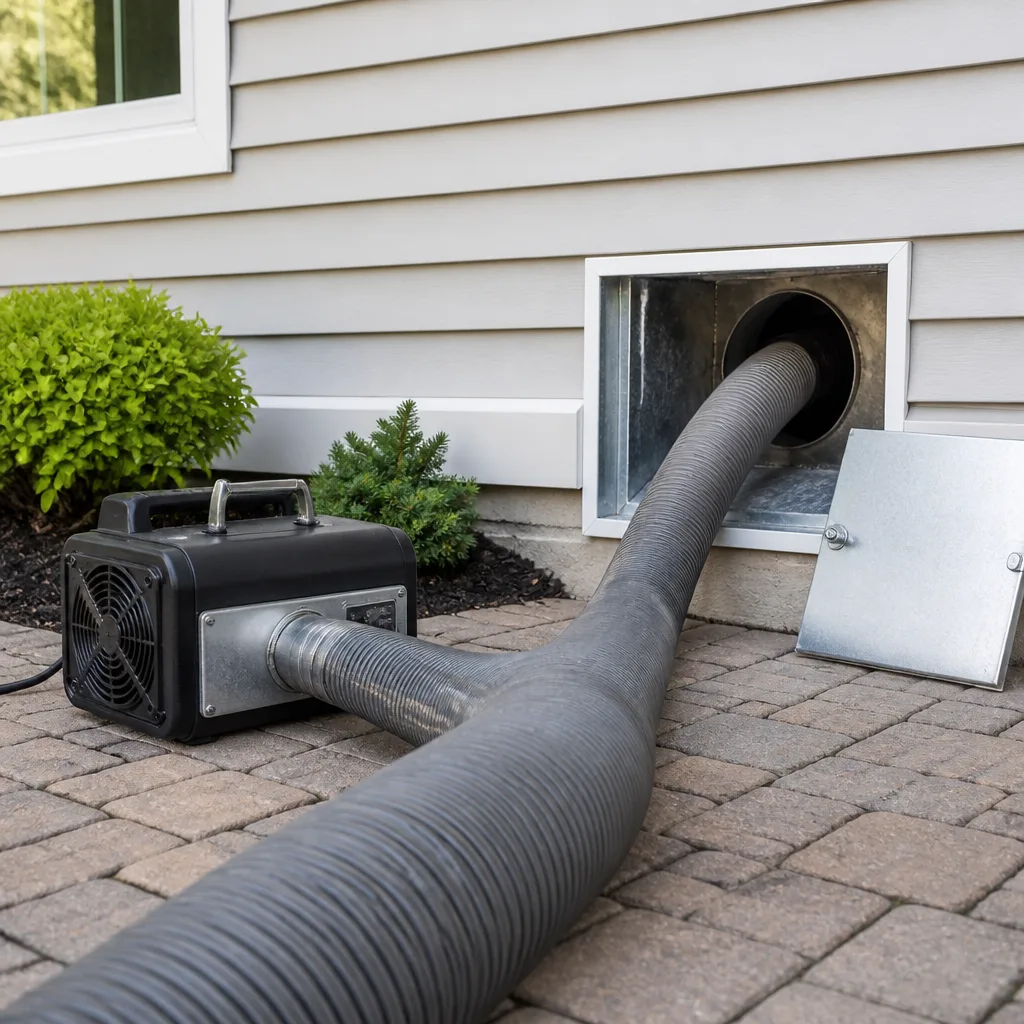 Whole-home duct cleaning
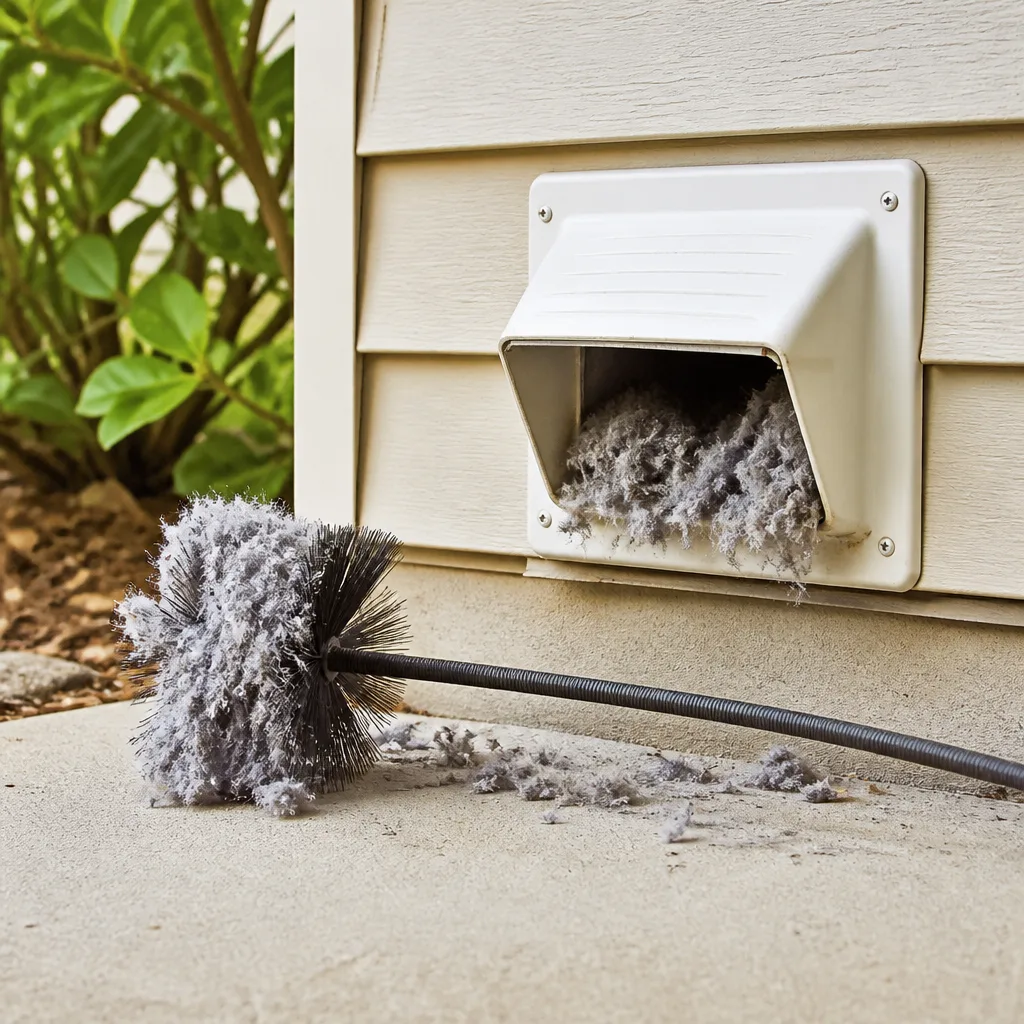 Dryer vent cleaning
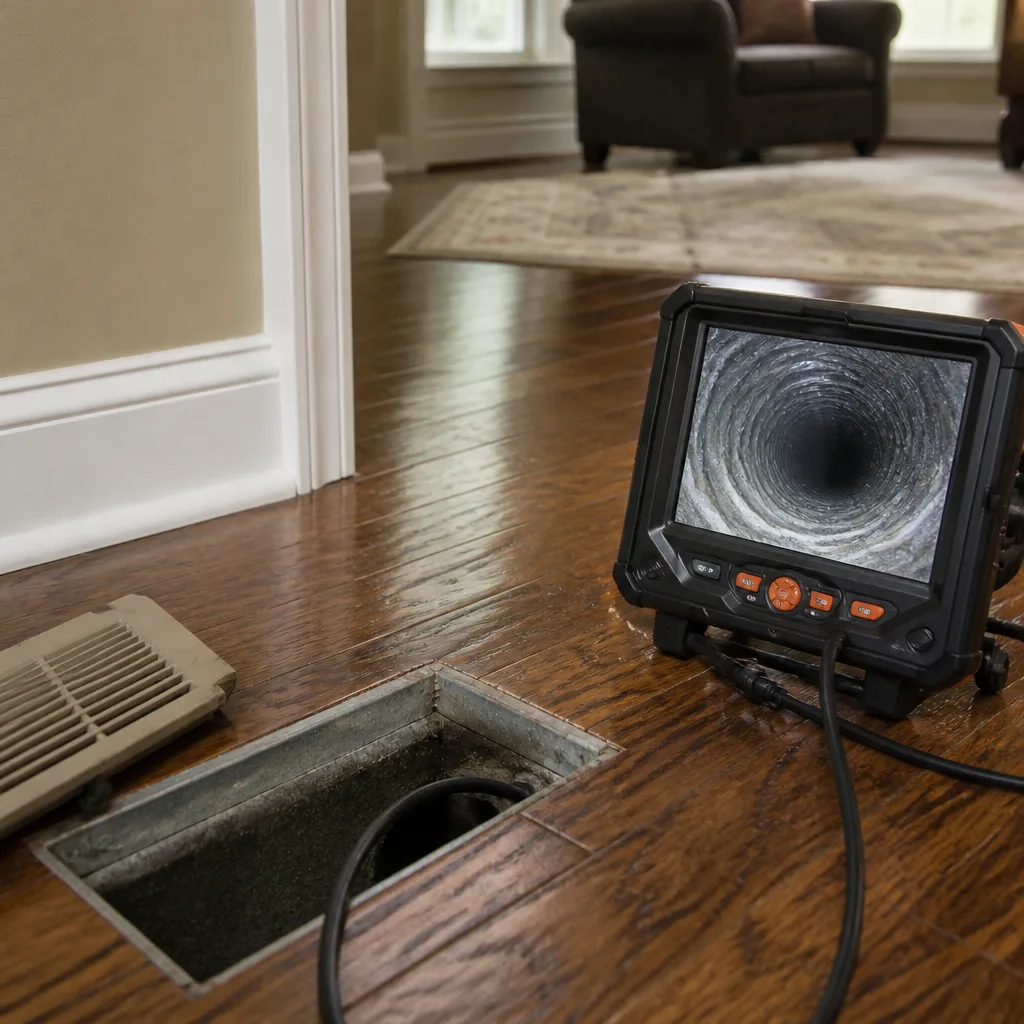 Camera inspection
 Sanitizing & deodorizing
Whole-system duct and dryer vent check with before-and-after photos - you see exactly what came out of your vents
That "$99 whole-house special" is a bait ad - the real number appears once they are in your hallway, or the "clean" is a shop-vac at the register. We photograph the inside of your ducts before and after instead.
Air Duct Cleaning Cost Breakdown: The Brighton Homeowner’s Reference for 2026
A $149 whole-house quote and a $650 whole-house quote are rarely for the same job. That gap is the single most useful thing to understand before you call anyone in Brighton. One price usually covers a quick pass with a shop vacuum and no real access to the trunk lines; the other covers the trunks, the supply and return runs, the air handler, and a written scope you can hold the contractor to. This guide breaks duct cleaning down line by line so you can compare quotes on equal footing, understand what legitimately raises the price, and spot the extras that only pad an invoice. We’ll use Brighton market ranges throughout, with the caveat that a written estimate sets the final number.
Quick Answer
Whole-house air duct cleaning in Brighton typically runs $350 to $700 for a standard home, with larger houses, complicated duct layouts, or heavy contamination pushing the figure toward $900 to $1,400 or more. The number moves because of scope, not because one contractor is gouging and another is generous. A quote that names every component it covers – trunks, supplies, returns, air handler, and any sanitizing – is worth more than a low number with no scope attached.
Styles & brands we work with
- Whole-home duct cleaning
- Dryer vent cleaning
- Camera inspection
- Sanitizing & deodorizing
Table of Contents
- What each part of the system actually costs
- What legitimately adds cost to a Brighton job
- What inflates a quote without adding value
- How to read a quote structure: flat, per-vent, or scope-based
- Brighton-specific cost factors
- Sanitizing, sealing, and repair: the add-ons that matter
- How to evaluate a contractor in Brighton
- Common mistakes to avoid
What Each Part of the System Actually Costs
Duct cleaning isn’t a single product. It’s a set of components, each with its own labor and equipment demands. When a contractor quotes a flat whole-house price, they’re bundling these together – and the bundle is where the comparison problem starts. Breaking the job into components is how you see whether two quotes cover the same ground.
Here’s how the pieces usually price out in the Brighton market for 2026. These are typical ranges, not fixed rates. Accessibility, system size, and how much debris is present all shift the number, and your written estimate is what counts.
- Main trunk lines: $120 to $250. The large-diameter runs that carry conditioned air away from the air handler. This is where a real cleaning job begins, and where cheap quotes often cut corners by skipping the trunks entirely.
- Supply runs: $60 to $110 per run, or bundled into a whole-house figure. These are the smaller branches feeding individual rooms. Count matters – a house with fourteen supply registers is a different job than one with eight.
- Return runs: $60 to $110 per run. Returns pull air back to the air handler and often carry the heaviest dust load because they draw from living space. They’re frequently the dirtiest part of the system and the most overlooked.
- Air handler cleaning: $100 to $200. The cabinet that houses the blower and coil. Cleaning here matters because debris that settles on the blower and coil is recirculated every time the system runs.
- Coil cleaning: $100 to $250. The evaporator coil is a dense finned surface that traps dust and can grow biological material in a damp environment. Cleaning it restores airflow and heat-exchange efficiency.
- Drain pan: $40 to $80. The pan under the coil collects condensate and is a common spot for standing water and buildup. It’s small, but it’s part of the air-quality picture.
Add those up for a typical Brighton home and you land in the $350 to $700 range for a complete whole-house clean. A quote well under that range is usually covering fewer components – most often skipping trunks, the air handler, or the coil. That’s the mechanical explanation for the $149 versus $650 gap. Not salesmanship. Scope.
What Legitimately Adds Cost to a Brighton Job
Some price increases are honest. They reflect real time, real equipment, or real contamination. Knowing which is which keeps you from feeling pressured and from dismissing a fair quote as an upsell. In our experience, five factors genuinely move the number in Brighton.
- System size. More supply and return runs, a larger footprint, or more than one air handler means more labor. A house with a finished basement often has a second system or an extended trunk that a single-system house doesn’t.
- Accessibility. Ducts buried behind drywall, runs that require moving furniture, or registers in tight spaces add time. Accessibility isn’t a penalty – it’s a real constraint that changes how the job is done.
- Contamination level. Heavy buildup, visible debris, or a system that hasn’t been cleaned in many years takes longer to bring to a clean state. The equipment has to work harder and the technician has to spend more time per run.
- Sanitizing. Applying a sanitizing treatment after cleaning is a separate step, priced separately, and should follow inspection – not precede it. Sanitizing a dirty duct just seals the dirt in.
- Duct repair discovered during service. Loose joints, disconnected sections, or crushed flex runs found during cleaning are common. Fixing them is a different service from cleaning, and it’s often the most valuable thing a technician can do for your air quality.
Notice what’s missing from that list: the brand name on the equipment, the size of the company, or how many reviews they have. Those don’t change the work. What changes the work is scope, access, and condition. That’s why a legitimate air duct cleaning quote in Brighton can vary widely between two honest contractors working on two different houses.
What Inflates a Quote Without Adding Value
The flip side of legitimate cost is the add-on that looks sophisticated and does little for your air. These usually get pitched before anyone has looked inside your ducts. That order of operations is your signal. A technician who hasn’t inspected the system can’t know whether you need a treatment, so a treatment sold before inspection is a guess dressed up as expertise.
A few common ones worth treating with skepticism:
- UV light packages. UV systems can be a legitimate air-treatment option in some setups, but they’re a piece of HVAC equipment, not a duct-cleaning add-on. If a cleaning quote bundles one in before anyone has seen your system, that’s a package sale, not a cleaning service.
- Chemical treatments applied before inspection. Fogging or treating ducts without first assessing contamination puts the cart before the horse. Cleaning comes first; sanitizing, if it’s warranted, comes after.
- “Per-vent” pricing that looks low but balloons. A headline number per vent sounds cheap until you multiply it by every register and discover the trunks, air handler, and coil were never in the price. More on this below.
- Add-ons to a service you didn’t ask for. If a quote for cleaning suddenly includes dryer vent work, sealing, and sanitizing you didn’t request, ask what each line does and whether it’s needed for your system specifically.
None of these services are inherently bad. The problem is being sold an unfamiliar package before anyone has looked at your ducts. A specialist inspects first, then recommends. The Brighton Air Duct Cleaning Pros approach is to clean the full system and let the condition of your ducts drive any additional recommendation, not a preset bundle.
How to Read a Quote Structure: Flat, Per-Vent, or Scope-Based
The structure of a quote tells you as much as its number. There are three common ways contractors in Brighton price duct cleaning, and each signals something different about how the contractor thinks and how honest the comparison will be.
Flat-rate whole-house pricing
One number for the whole system. It’s simple and easy to compare at a glance, but only if the quote defines what “whole house” means. A flat rate that covers trunks, supplies, returns, air handler, and coil is a real whole-house price. A flat rate that quietly excludes the air handler and coil is a per-vent price wearing a flat-rate costume. Ask for the component list in writing.
Per-vent pricing
A price per register or vent, multiplied across your system. This structure is transparent about run count but often excludes the components that matter most – trunk lines, air handler, and coil – because those aren’t “vents.” A low per-vent number can produce a surprisingly high final bill once each register is tallied and the exclusions surface. If a contractor quotes per vent, ask exactly what the per-vent price includes and what it leaves out.
Scope-based pricing
A line-item price for each component: trunks, supplies, returns, air handler, coil, drain pan, and any sanitizing or repair. This is the most work to read and the most honest to compare, because every quote can be measured against the same list. It’s the structure that respects the reality of your system – a house with a large trunk, a second air handler, and buried runs is genuinely a bigger job, and scope-based pricing shows you why. When we quote a job, this is the approach: one flat price per system, agreed before work starts, with the components named. Not a per-vent teaser.
Comparing quotes starts with getting all three structures onto the same footing. Ask each contractor for a component list and hold them to it.
Brighton-Specific Cost Factors
Brighton has cost factors that a generic quote from a generalist won’t account for. The housing stock here skews toward newer subdivisions, and newer construction tends to mean specific things for duct work: complex layouts, two-stage or zoned systems, and finished basements where duct runs get buried behind drywall or ceiling finishes. Each of those adds labor and access time in a way that a cookie-cutter per-vent price ignores.
What that looks like in practice:
- Larger homes in newer subdivisions. More square footage usually means more runs, and open floor plans often use longer trunk runs with more fittings. More fittings means more places for dust to settle and more time to clean each junction.
- Two-stage and zoned systems. A system with more than one air handler or zone has more components to clean and more coil and air handler work. If you’ve invested in HVAC cleaning for a zoned system, the quote should reflect both handlers and both coils.
- Finished basements with buried duct runs. When ducts run through finished ceilings or soffits, access is harder. Cleaning still works, but the technician may need to remove and replace access panels, which adds time. A quote that doesn’t account for this will either skip those runs or surprise you with a higher bill later.
- Colorado’s dry, dusty air. The Front Range climate is dry and windy, and that means more airborne dust entering return systems over a heating-and-cooling season. Homes near open land or new construction sites tend to load their returns faster. More load means longer cleaning time when the system hasn’t been serviced in a while.
- Seasonal furnace and AC cycling. Colorado swings from heating season to cooling season with a lot of cycling in between. That cycling moves air through the ducts constantly, which is why a system that’s never been cleaned can accumulate noticeably more debris than the homeowner expects.
These factors don’t make Brighton jobs expensive so much as make them specific. A contractor who knows the local housing stock asks about your basement, your zones, and your access before quoting. One who doesn’t is guessing.
Sanitizing, Sealing, and Repair: The Add-Ons That Matter
Cleaning removes debris. It doesn’t fix a system that leaks or a coil that’s been growing biological material. That’s why the services that go beyond cleaning – sanitizing, sealing, and duct repair – are worth understanding, even if you don’t need them on every job. They’re the difference between clean ducts and a healthy air system.
Sanitizing is an application step that follows cleaning. It’s appropriate when there’s evidence of biological growth, musty odors, or contamination that cleaning alone doesn’t resolve. It should always follow inspection and cleaning, never replace them. On a system with a damp coil or a drain pan that’s held standing water, sanitizing the coil area is often the right call. The Abatement Technologies equipment used for this kind of work is the same category of tool professional remediation contractors use, which tells you something about the seriousness of the job.
Sealing and duct repair address the root cause of air loss. Ducts with loose joints, disconnected sections, or crushed flex runs leak conditioned air and pull in dust from unconditioned spaces like attics. Sealing those joints is often the highest-value dollar you can spend, because it fixes the problem rather than cleaning up after it again and again. This is a capability most duct cleaners don’t offer – which is why a quote that includes sealing or repair should be read as a signal of a contractor serious about the full system, not a sales tactic. Our dryer vent cleaning service follows the same logic: clean the run, then look for blockages and damage that cleaning alone won’t solve.
These add-ons matter when they’re earned. They don’t belong in every quote. The test is simple: was the system inspected before they were recommended?
How to Evaluate a Contractor in Brighton
A quote is only as good as the contractor behind it. Once you’ve compared scopes, the next question is whether the crew doing the work has the equipment and the approach to actually deliver what they quoted. Here’s a practical checklist to work through before you commit.
- Ask for a written, itemized scope. Trunks, supplies, returns, air handler, coil, drain pan. If a contractor can’t list components, they aren’t quoting a scope; they’re quoting a vibe.
- Ask what equipment they use. Professional duct cleaning requires professional-grade equipment – the systems used by remediation contractors, not consumer shop vacuums. Rotobrush and Nikro are industry-standard professional systems, and a contractor who can name and explain their equipment is a contractor who takes the work seriously.
- Ask whether they inspect before recommending add-ons. If sanitizing, UV, or sealing comes up before anyone looks at your system, ask why. A specialist inspects, then recommends.
- Ask whether they offer repair and sealing. Cleaning is half the job. A contractor who can repair and seal leaky ducts handles the root cause. One who only cleans handles the symptom.
- Ask about compatibility with your existing system. If you have Honeywell or Aprilaire equipment, ask how their approach works with it. Myriad Brighton homes have premium air-quality components already installed, and a specialist should know how to work with and around them, not replace them.
- Confirm the price is agreed before work starts. One flat price per system, set by a written estimate. No surprises once the technician is on site. That’s the baseline standard you’re entitled to.
Our technicians have up to 14 years of experience, and the questions above are the ones they expect. A contractor working in Brighton who can answer all six is worth the call. If a quote feels vague on any of them, that’s your answer.
Common Mistakes to Avoid
The mistakes homeowners make on duct cleaning follow a pattern. Most come from comparing bottom-line numbers without comparing scope. A few others are local to how Brighton’s housing stock and climate shape the work.
- Comparing the lowest number to the highest number without matching scopes. A $149 quote that excludes trunks and the air handler isn’t cheaper than a $650 quote that includes them – it’s a different job. Always match line items before you match totals.
- Accepting a per-vent price without asking what’s excluded. Per-vent pricing can leave out the trunks, air handler, and coil, which are where the real work and the real air-quality benefit live. Ask for the exclusions in writing.
- Buying an add-on package before anyone has inspected the system. UV lights, fogging, and chemical treatments sold before inspection are a guess, not a diagnosis. Inspection first, recommendation second.
- Skipping the return lines. Returns are often the dirtiest part of a Brighton system because they draw from living space, and they’re frequently excluded from a low quote. Make sure the return runs are named in your scope.
- Assuming cleaning fixes everything. Clean ducts with leaky or disconnected joints lose air and pull in attic dust. If your contractor doesn’t offer repair and sealing, ask who will handle it.
- Ignoring the basement and finished spaces. Buried duct runs in a finished basement are easy to skip and easy to forget. Ask specifically how they’ll be cleaned and accessed.
- Not asking how you’ll know the work was done. Before-and-after photos of your own ducts are the answer. If a contractor can’t show you the difference, you’re taking it on faith.
See the difference
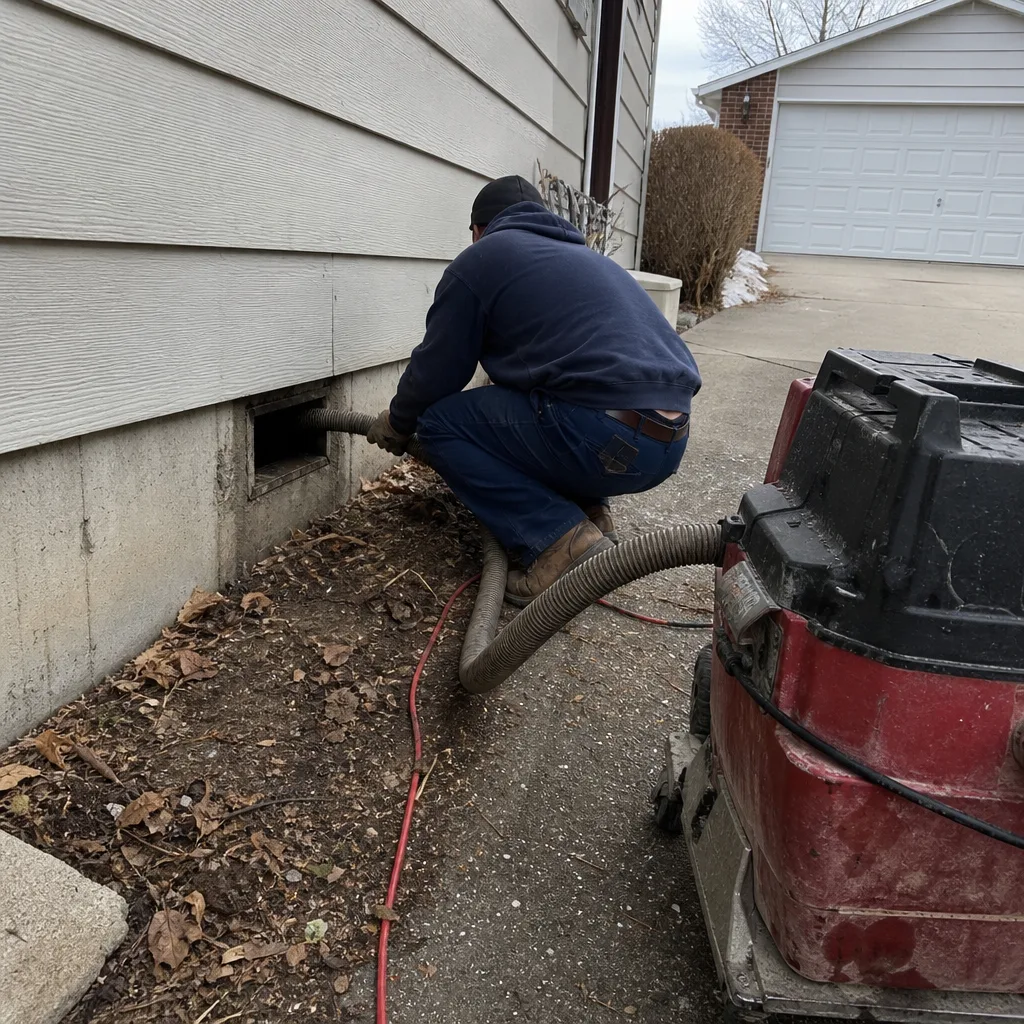 Before
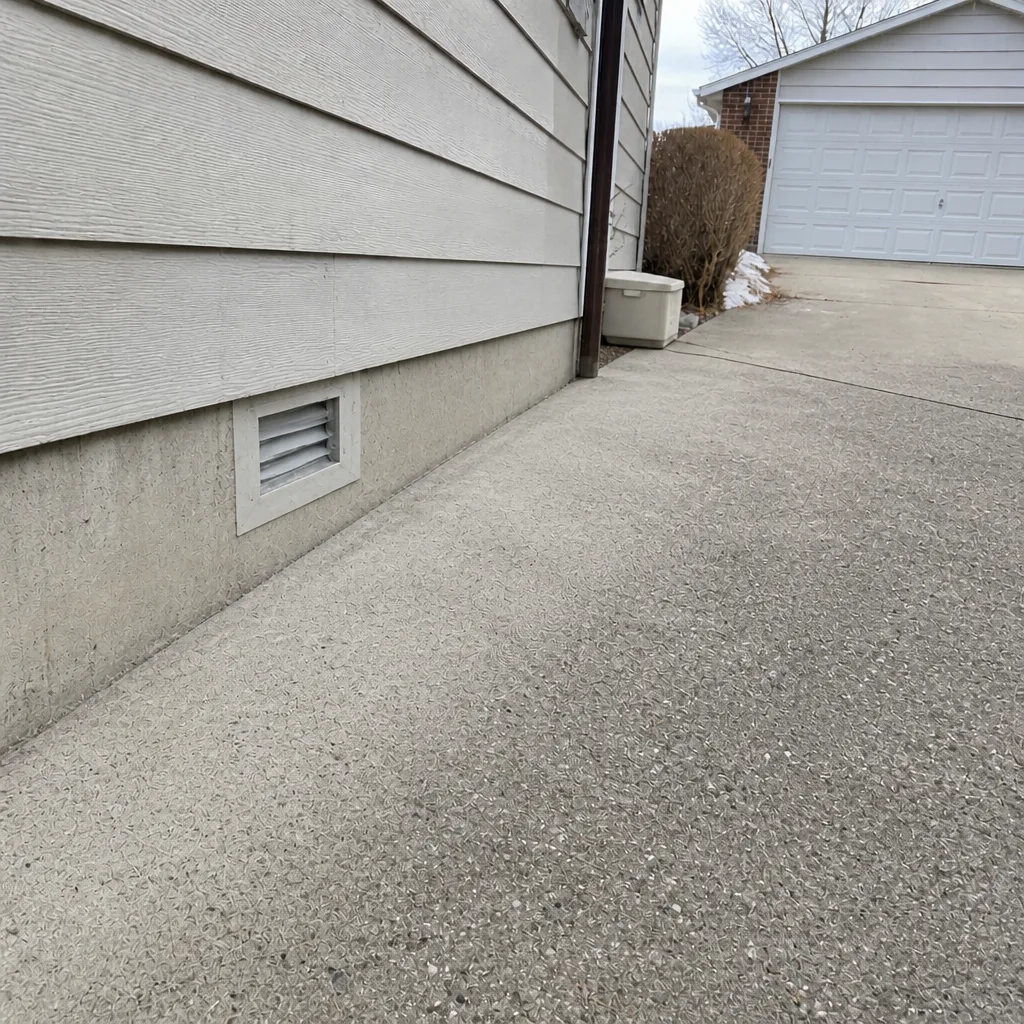 After
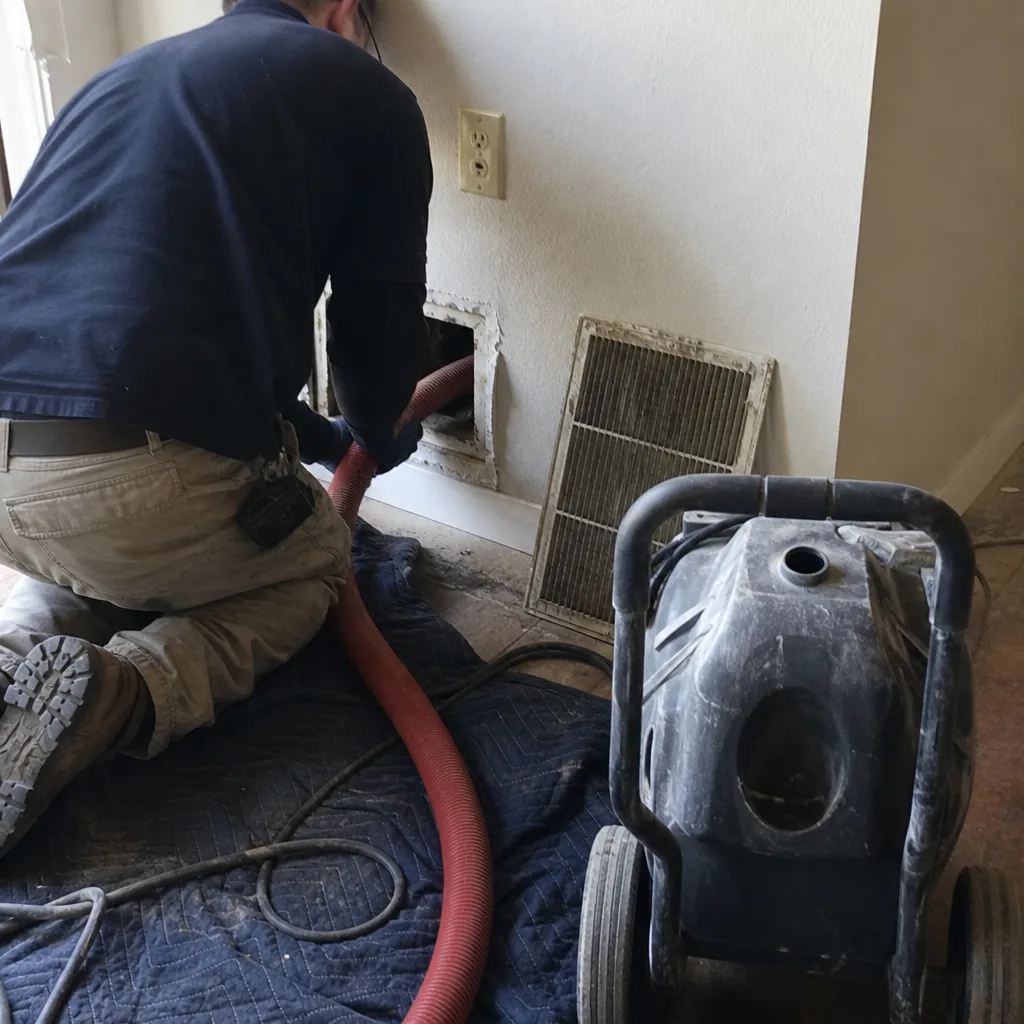 Before
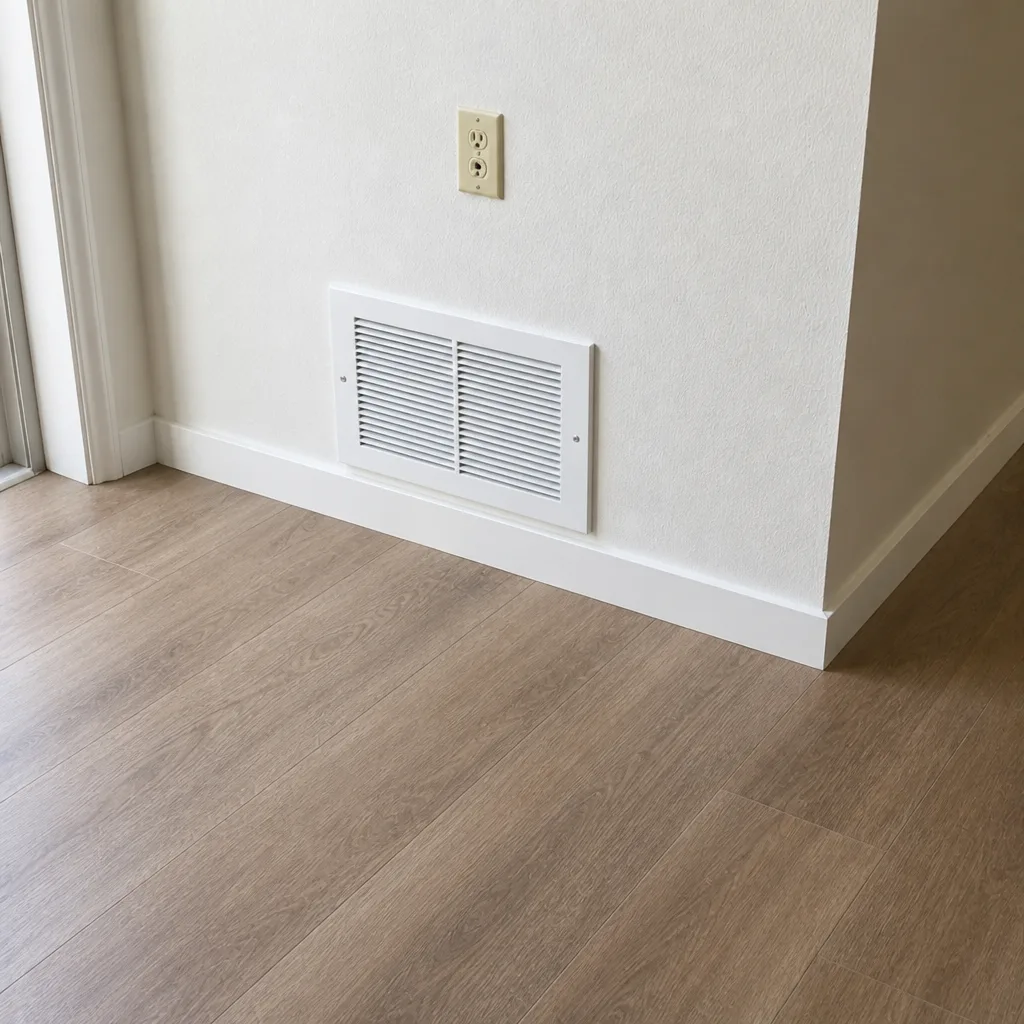 After
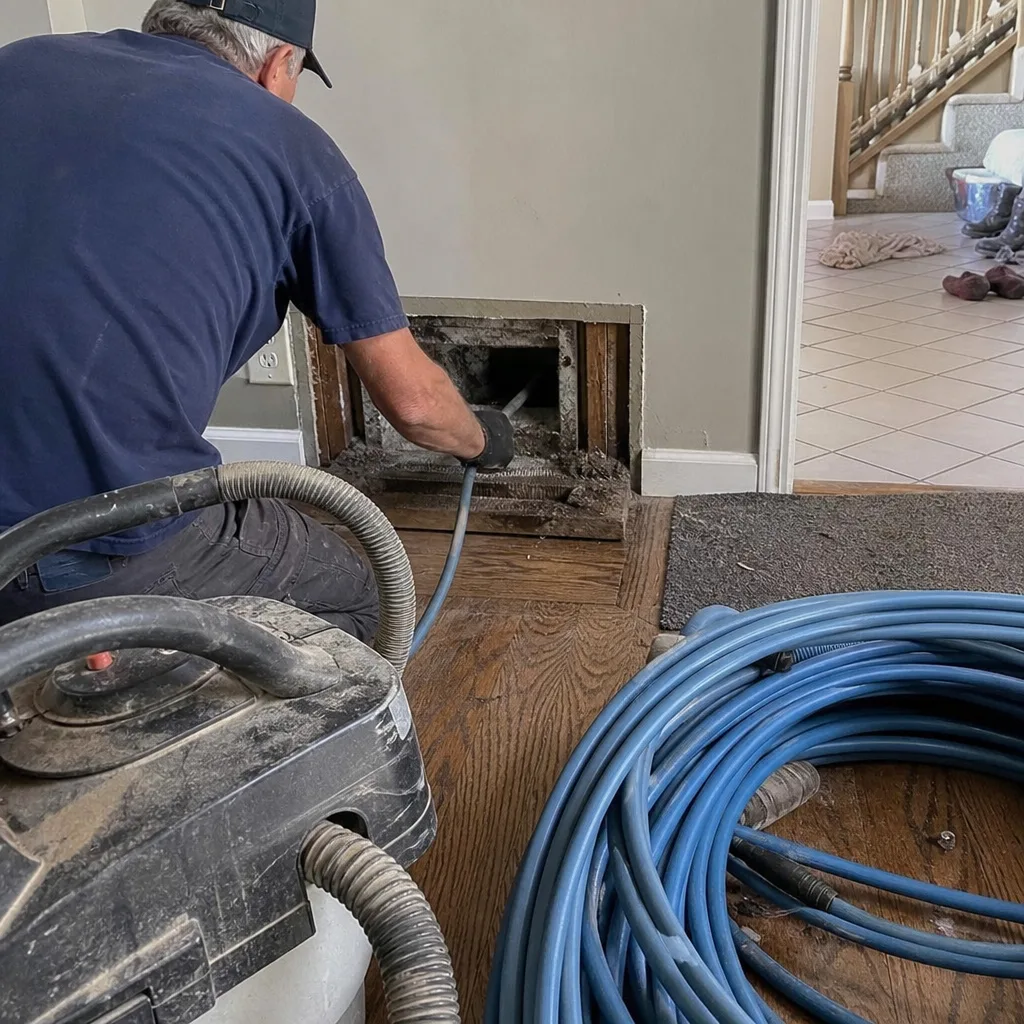 Before
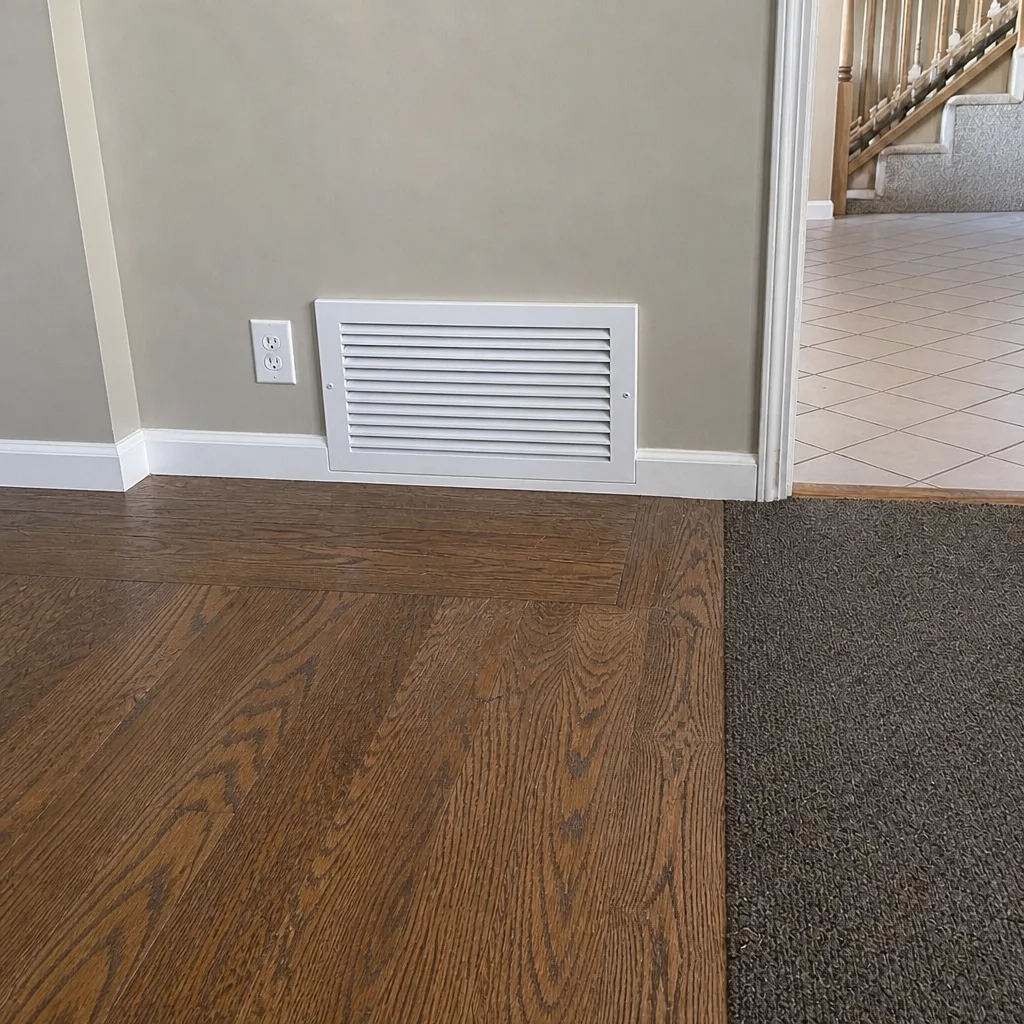 After
When to Call a Professional
Some signs point clearly to a professional call. If you’re seeing visible dust puffs from registers when the system kicks on, musty odors coming from the vents, or a recent renovation that filled the air with drywall and construction dust, the system needs attention. If you have allergy sufferers or young children in the home, or if you’ve bought a Brighton house with an unknown service history, a full assessment is worth it. Pet owners dealing with hair and dander in the return air, and anyone with a premium air-quality system already installed, are exactly the homeowners who benefit most from a scope-based quote from a specialist.
Brighton Air Duct Cleaning Pros offers free estimates in Brighton. Call (877) 770-1719. We answer 24/7. Fast dispatch from 7am to 7pm, Sunday through Friday.
Frequently Asked Questions
Whole-house air duct cleaning in Brighton typically runs $350 to $700 for a standard home, with larger homes, complex layouts, or heavier contamination reaching $900 to $1,400 or more. The written estimate sets the final price. Call (877) 770-1719 for an exact quote – estimates are free.
Because they usually cover a smaller scope – most cheap quotes skip the trunk lines, air handler, or coil. A $149 whole-house quote and a $650 whole-house quote are rarely for the same job. Match the line items before you match the totals. Call (877) 770-1719 and we’ll walk you through what a complete scope includes in Brighton.
You should see before-and-after photos of your own ducts. Ask for them before the crew starts, and review them at the end. If a contractor can’t show the difference, ask what documentation they provide. One flat price per system agreed before work starts, with photos of your ducts, is the standard to expect. Call (877) 770-1719 for a free estimate.
Most homes do well with a full cleaning every three to five years, though Brighton’s dry, dusty air and any recent renovation can make more frequent service worthwhile. Homes with pets, allergy sufferers, or a finished basement with buried runs often benefit sooner. Call (877) 770-1719 for a free assessment of what your system needs.
Yes. Buried duct runs behind finished ceilings take more access time, and a two- or multi-zone system means more air handlers and coils to clean. A scope-based quote from us reflects both. Call (877) 770-1719 for a free estimate on a Brighton home with complex duct work.
It’s worth it when the ducts show evidence of biological growth, musty odors, or a damp coil area – and it should always follow cleaning and inspection, never replace them. If sanitizing is pitched before anyone has looked at your system, ask why. Call (877) 770-1719 for a free estimate and an honest recommendation.
The Bottom Line
Air duct cleaning prices in Brighton vary widely because what’s included varies widely. The line-item ranges in this guide – trunks at $120 to $250, supply and return runs at $60 to $110 each, air handler at $100 to $200, coil at $100 to $250, drain pan at $40 to $80 – let you compare any quote against a complete scope rather than a bottom-line number. Legitimate cost comes from system size, access, contamination, sanitizing, and repair. Inflation comes from add-ons sold before inspection and per-vent teasers that exclude the components that matter. A scope-based quote, agreed in writing before work starts, with before-and-after photos, is the standard worth holding every contractor to. Call (877) 770-1719. We answer 24/7. Fast dispatch from 7am to 7pm, Sunday through Friday.
Written by the team at Brighton Air Duct Cleaning Pros.