
Last updated November 25, 2026
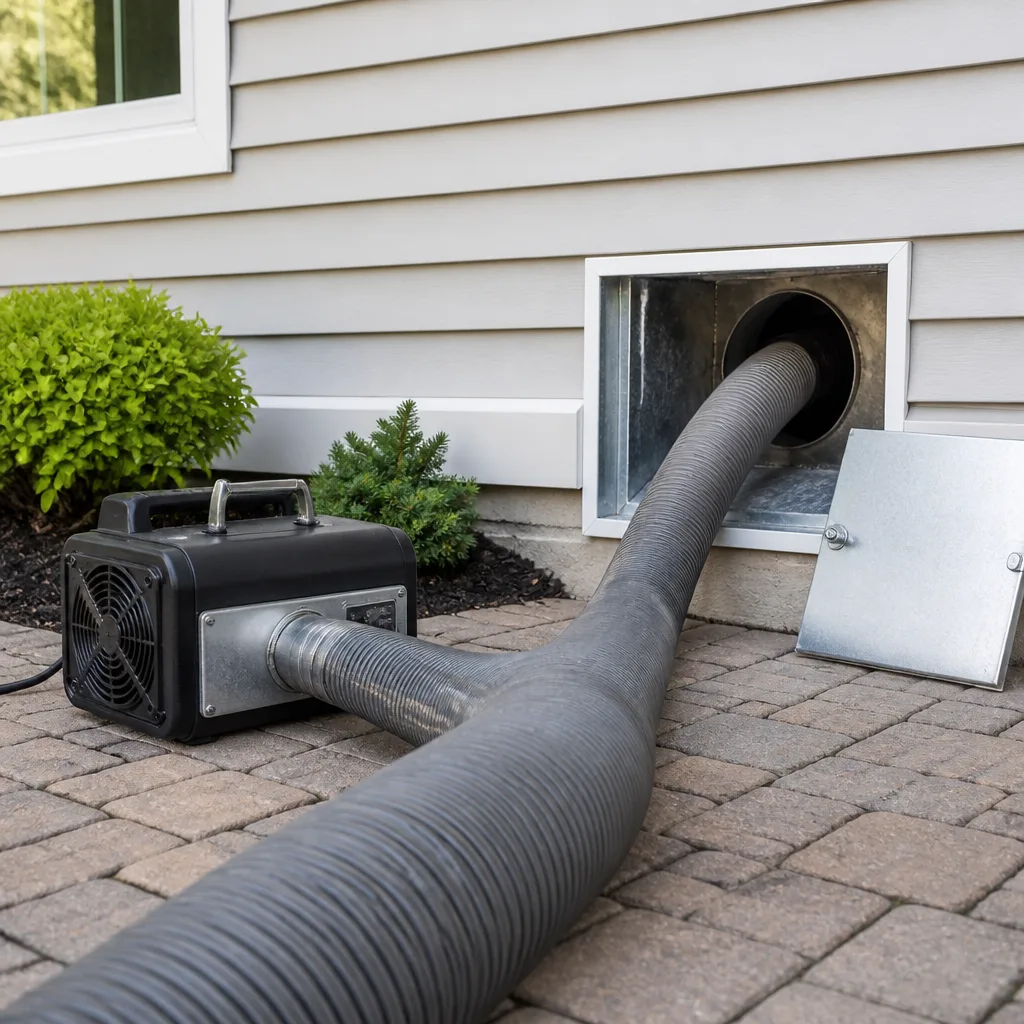 Whole-home duct cleaning
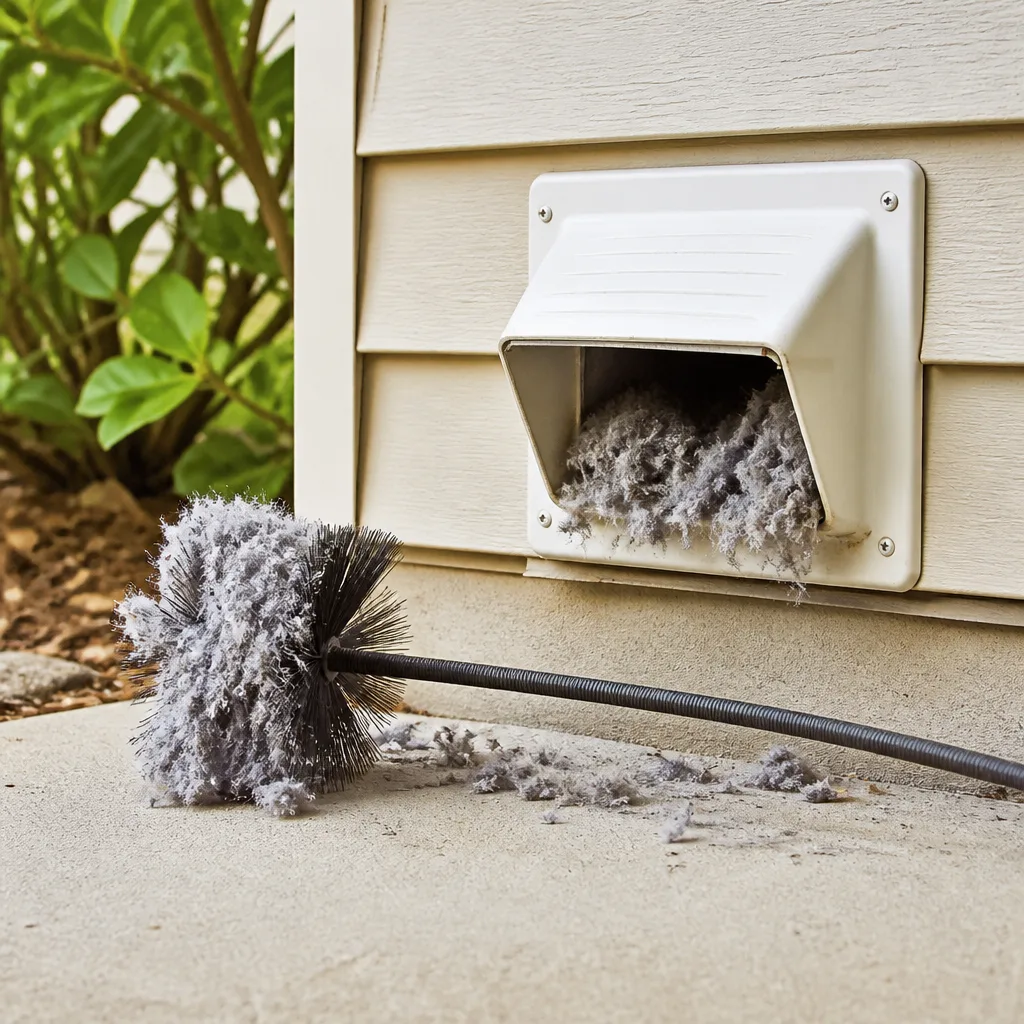 Dryer vent cleaning
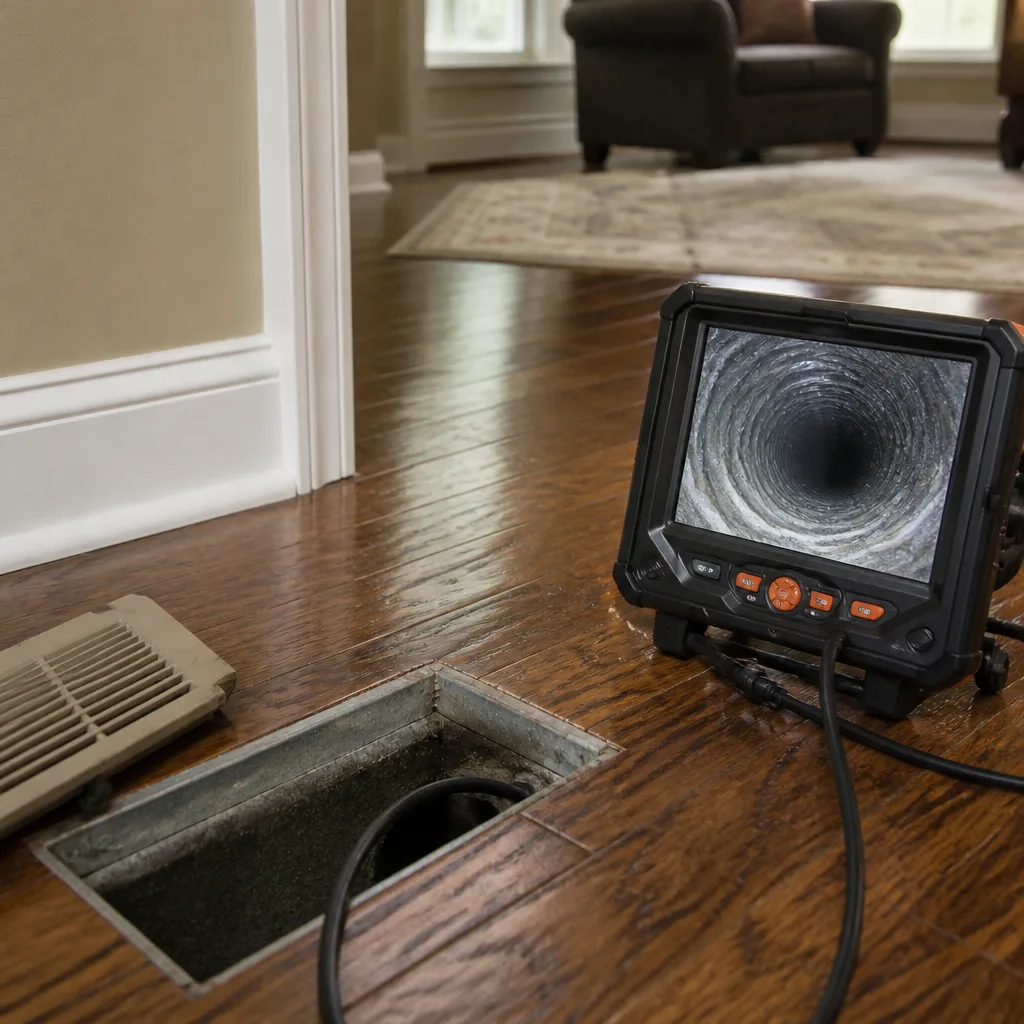 Camera inspection
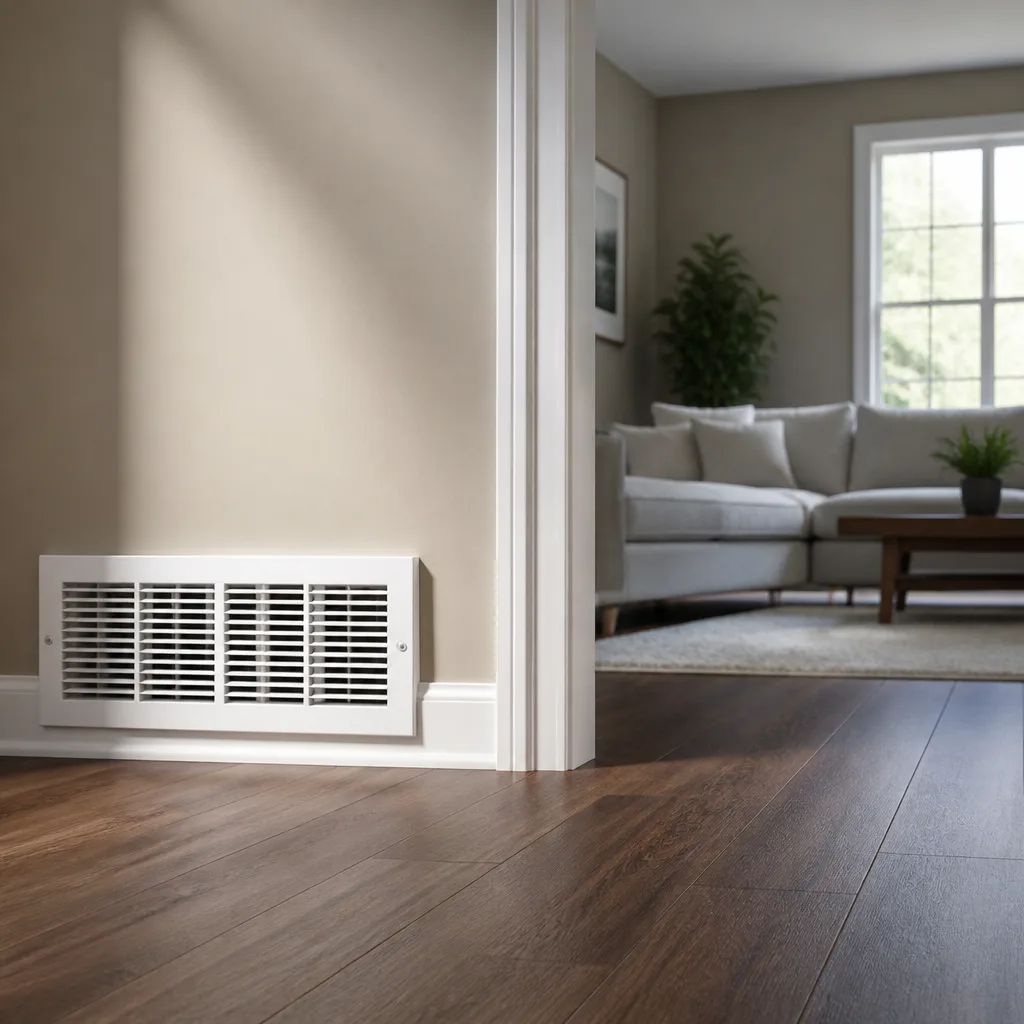 Sanitizing & deodorizing
Whole-system duct and dryer vent check with before-and-after photos - you see exactly what came out of your vents
That "$99 whole-house special" is a bait ad - the real number appears once they are in your hallway, or the "clean" is a shop-vac at the register. We photograph the inside of your ducts before and after instead.
How to Hire an Air Duct Cleaning Contractor in Brighton: A Step-by-Step Guide
Colorado does not require a state license to call yourself an air duct cleaning company. That single fact changes how you should shop. Anyone with a van, a vacuum and a printed flyer can hand you a quote in Brighton, and nothing in the law stops them. So the burden of qualification falls on you, the homeowner, and it comes down to asking the right questions before anyone touches your system. This guide gives you a concrete vetting framework built around equipment, process and verifiable results. You’ll learn what to ask, what to expect in writing, and how to read a post-cleaning report so you know the work was actually done.
Quick Answer
To hire an air duct cleaning contractor in Brighton, verify three things before you book: the specific vacuum and collection equipment they’ll use, whether the technician holds NADCA certification you can check, and whether they’ll give you a written scope of work and a post-cleaning report. Ask for all three in writing. A specialist answers without hesitation; a van-and-vacuum operator gives you a price and a sales script instead.
Styles & brands we work with
- Whole-home duct cleaning
- Dryer vent cleaning
- Camera inspection
- Sanitizing & deodorizing
Table of Contents
- Why Hiring in Brighton Starts With You, Not a License
- The Equipment Questions to Ask Before You Book
- What NADCA Certification Proves, and What It Doesn’t
- Red Flags in the Brighton Market
- What a Written Scope of Work Should Include
- How to Read a Post-Cleaning Report
- Why Cleaning Alone Is Only Half the Job
- Common Mistakes to Avoid
- When to Call a Professional
- Frequently Asked Questions
Why Hiring in Brighton Starts With You, Not a License
Most trades you hire around the house come with a license you can look up. Electricians, plumbers, roofers – Colorado regulates them, and a quick search tells you whether the person quoting your job is accountable to a state board. Air duct cleaning isn’t in that group. There is no state license to hold, no exam to pass, no board to complain to. That’s the whole reason this guide exists.
What that means in practice is that the word “professional” on a business card means nothing on its own. Two companies can both call themselves professional duct cleaners in Brighton, and one can be running a shop vacuum with a homemade hose adapter while the other brings a truck-mounted negative-pressure system. The customer sees the same logo and the same promise. The difference shows up in the equipment, the process and whether they’ll put any of it in writing.
Brighton adds its own wrinkle. The housing stock here runs from older homes with original sheet-metal ductwork to newer builds in fast-growing subdivisions, and both types collect dust differently. Front Range air is dry for much of the year, and spring and summer pollen loads are heavy. A system that’s never been cleaned in a newer home and an older home with deteriorating duct connections both need attention, but they need different work. A generalist who does one pass with a vacuum won’t tell the difference.
At Brighton Air Duct Cleaning Pros we specialize only in indoor air quality, and we don’t install HVAC systems or chase general repair work. That focus is the point. When you hire, you want the same thing: someone whose entire job is the air moving through your house, not someone who cleans ducts on the side between furnace installs.
The Equipment Questions to Ask Before You Book
This is where the real screening happens. Equipment is the clearest line between a specialist and a shortcut, and it’s the easiest thing to verify with a phone call. You don’t need to understand every spec – you just need to hear whether the answer comes back specific or vague.
Ask these questions exactly as written. A real specialist answers each one without reaching for a brochure:
- What vacuum collection unit will you use, and how does it capture what you loosen? The answer should name a real system, not “a big shop vacuum.” Professional work uses high-powered collection units paired with agitation tools that loosen debris from the duct walls so it can be captured, not just stirred up. When a company names equipment like Rotobrush or Nikro, that tells you they’ve invested in the professional tier.
- What is the CFM rating of your vacuum? CFM – cubic feet per minute – is the measure of how much air the unit moves. Higher airflow means debris is pulled out instead of settling back into the system. If a company can’t tell you roughly what their unit moves, they likely don’t own a professional-grade one.
- How do you verify negative pressure? Negative pressure means the vacuum is pulling air toward the collection unit so contaminants leave the house rather than blowing into your living space. Ask how they confirm it’s holding during the job. A specialist has a method and can explain it; a shortcut operator looks confused by the question.
- What agitation tools do you use inside the ducts? A vacuum alone doesn’t dislodge caked-on debris. Professional systems use air whips, brushes and other tools to break material loose from the walls, then capture it.
- Do you have equipment for contaminants and microbial concerns, or only for dust? If anyone in the home has allergies or you’ve had moisture in the system, you want to know whether the company carries remediation-level capability. Abatement Technologies equipment signals that category of work.
If you get through that list and the answers were specific, you’re talking to a real contractor. If two or three came back as “we use the best equipment” or “don’t worry about that,” you have your answer. The questions cost you nothing to ask and they filter out most of the field.
What NADCA Certification Proves, and What It Doesn’t
NADCA – the National Air Duct Cleaners Association – sets the most widely recognized standard for this trade, and individual technicians can earn certification through it. If a company tells you their techs are NADCA-certified, you can verify that claim. Ask for the technician’s name and certification information and check it against NADCA’s own directory rather than taking a logo on a website at face value. Certification is one of the few pieces of third-party proof available in an industry with no state license.
Here’s the honest part: NADCA certification is a meaningful signal, but it isn’t a guarantee. It tells you a technician met a training and testing standard at a point in time. It doesn’t tell you what equipment shows up in the driveway, whether the crew rushes the job, or whether you’ll get a report afterward. Plenty of certified companies do excellent work. Plenty of companies that aren’t certified still do careful work. The certification is one data point, not the whole decision.
What certification does give you is a shared vocabulary. A NADCA-trained tech understands the assessment, cleaning and verification process because that’s what the standard describes. That tends to show up in how they answer your equipment questions and how willing they are to put a scope in writing. Use it as a filter, then judge the rest of the conversation on its own merits.
In our experience, the companies worth hiring treat certification as a baseline rather than a sales pitch. They mention it once, then talk about the work. The ones leaning on it as their entire argument usually have thinner answers to everything else.
Red Flags in the Brighton Market
Brighton’s growth has brought a steady stream of duct cleaning offers, and some of the marketing is designed to get a foot in the door rather than deliver a real cleaning. Knowing the patterns saves you a wasted afternoon.
- The door-hanger $49 special. An unusually low whole-house price advertised on a flyer or a neighborhood coupon is a door-opener, not a quote. It gets a technician inside, where the real number gets built through add-ons. A legitimate whole-system cleaning has real labor and equipment behind it, and you should be suspicious of a headline price that doesn’t reflect that.
- Upsell-heavy sales scripts. If the conversation moves from cleaning to sanitizing to filters to a package deal before anyone has looked at your system, you’re being sold rather than assessed. A specialist inspects first, then recommends.
- A technician who won’t open your furnace or look at your duct connections. Cleaning without assessment is guesswork. Someone who starts connecting hoses without checking the system hasn’t evaluated what you actually need.
- No written estimate, or a price that lives only in conversation. Get it in writing, with what’s included spelled out, before work starts.
- No post-cleaning documentation. A company that has nothing to show you when the job is done is asking you to take the work on faith. Before-and-after photos and a written report are standard for serious operators.
- Pressure on the first visit. A real contractor is comfortable letting you think about a written estimate. High-pressure same-day urgency is a sign the pitch depends on you not comparing.
The pattern connects all of these: the offer is built around getting in the door cheaply, then converting the visit. You protect yourself by insisting on specifics before the appointment, not after.
What a Written Scope of Work Should Include
Before a technician touches your system, you should have a document that says what will be done. This is your protection and your reference point when the job is finished. A written scope also forces the conversation onto the work itself, which is where you want it.
A proper scope of work should spell out:
- The specific components being cleaned. Supply and return ducts, registers, grilles, the furnace or air handler, and any other parts of the system, named individually rather than covered by “whole house.”
- The equipment being used. The vacuum unit, the agitation tools and the sanitizing products, if any. Naming the equipment is a sign the contractor knows it matters.
- The method for protecting your home. How openings are sealed, how floors and furnishings are covered, and how negative pressure keeps contaminants from spreading.
- Whether repair and sealing are included or quoted separately. Cleaning loose debris out of a system with disconnected or leaky ducts is half a job. Ask whether sealing is part of the scope or a separate estimate, and get both numbers in writing.
- The deliverables. What you receive when the job is done: before-and-after photos of your own ducts, a written report, and any findings worth flagging.
- The final price, in writing, before work starts. One flat price per system agreed in advance, not a per-vent figure that moves as the job proceeds.
That last point matters more than most. Per-vent pricing is the mechanism behind the bait-and-switch reputation this industry carries. You’re quoted a small number, then told how many vents you have once the technician is inside. A flat price per system removes that leverage. You know the number before anything starts.
For a closer look at what a full cleaning involves, see our air duct cleaning page, which walks through the process from assessment through sanitizing.
How to Read a Post-Cleaning Report
The job isn’t finished when the vacuum shuts off. It’s finished when you have something in hand that shows what was found, what was done and what condition the system is in. A serious contractor treats this as a required part of the work, not an optional extra.
Ask for these deliverables and look at each one:
- Before-and-after photos of your own system. Not stock images and not a general gallery – photos of your ducts, your registers and your furnace. This is the single best way to confirm the work happened.
- A written summary of what was cleaned. Each component accounted for, matching the original scope.
- Any findings worth acting on. Disconnected duct sections, gaps at joints, moisture, pest evidence, worn flex duct. A good report flags what it found and what it recommends, without turning into a sales pitch.
- Recommendations tied to something specific. If they recommend repair and sealing, the report should show you where the air loss is happening. If you have a premium air handler or a system controller like those from Honeywell or Aprilaire, the report should reflect how the cleaning interacted with it.
Then ask one last question when reviewing the report: “If I don’t do the recommended work now, what should I watch for?” A contractor who’s genuinely assessing your system gives you a straight answer. A contractor who’s selling gives you a countdown.
Why Cleaning Alone Is Only Half the Job
Most duct cleaning companies clean and leave. That’s where we think the job stops short. If your ducts have gaps at the joints, disconnected runs in an attic or crawlspace, or flex duct that’s sagged loose from its fittings, cleaning removes what’s already inside – but the same leaks pull new dust and outdoor air back in. You clean, and the system slowly reloads.
That’s why we offer duct repair and sealing as a core service rather than an afterthought. Sealing closes the gaps and disconnections so what you paid to clean stays clean, and it addresses air loss at the same time. It’s also the half of the job most cleaning-only operators can’t do, which is why some recommendations end at “clean it again next year.”
If a contractor inspects your system and finds nothing to seal and nothing to flag, that’s a legitimate answer. But if they mention leaks and then don’t offer to fix them, you’re talking to a cleaning company, not a full-service specialist. For property managers in Brighton who are responsible for air quality across units, sealing pays off twice: better performance and less frequent cleaning.
We approach the full chain together – cleaning, sanitizing, dryer vent service and duct repair and sealing – because each one affects the others. The equipment we bring to that work is professional-grade: Rotobrush and Nikro for collection and agitation, Abatement Technologies for contaminant and microbial capability, and a service approach that works with the Honeywell and Aprilaire systems many homeowners have already invested in.
Common Mistakes to Avoid
- Hiring on price alone. The cheapest quote is usually a door-opener, and the final bill rarely resembles the number on the flyer. Compare on scope and equipment, then look at price.
- Not asking what equipment shows up. Two sentences on the phone will tell you whether you’re getting a professional collection unit or a shop vacuum. That answer alone reshapes the comparison.
- Skipping the written scope. If it isn’t in writing, it didn’t happen, and there’s nothing to hold anyone to when the work is done. Get the estimate in writing before booking.
- Forgetting to ask about dryer vent cleaning. The dryer vent is one of the most overlooked fire-safety components in a home, and duct-only companies often leave it out entirely. Ask whether dryer vent cleaning is part of the visit or a separate service.
- Assuming cleaning is the whole fix. If the report shows disconnected or leaky ducts, cleaning without sealing means the problem comes back. Ask about repair and sealing before you schedule.
- Not confirming what happens to your HVAC equipment. The furnace or air handler is part of the system, and it needs cleaning as much as the ducts do. Ask whether HVAC cleaning is included – see our HVAC cleaning page for what that involves.
- Choosing a company that does ducts on the side. Generalists spread their equipment budget across many services. Look for someone whose entire focus is indoor air quality.
When to Call a Professional
Duct cleaning isn’t something you schedule on a calendar. It’s driven by what you’re noticing in the home. You should look into hiring a contractor in Brighton when visible dust puffs from registers when the system kicks on, when allergy or asthma symptoms get worse indoors than out, or when a remodeling project has pushed construction dust through the house. Pet owners and parents of young children often find the buildup comes faster than expected. A move into a newly purchased home is another common reason – you don’t know what the previous owners left behind. And any report of moisture in the system or pest activity in the ducts deserves a proper inspection rather than another pass with a vacuum.
Brighton Air Duct Cleaning Pros offers free estimates in Brighton – call (877) 770-1719. We answer 24/7. Fast dispatch from 7am to 7pm, Sunday through Friday. Our technicians have up to 14 years of experience, and the written estimate sets the final price.
Frequently Asked Questions
No. Colorado requires no state license to perform air duct cleaning, which is why vetting falls on the homeowner. Ask about equipment, NADCA certification and a written scope of work, and get a flat price per system in writing before booking. Call (877) 770-1719 for a free estimate.
We don’t quote a per-vent price or a teaser figure, because that’s exactly the number that grows once the technician is inside. Instead, you get one flat price per system, agreed in writing before any work starts, and the written estimate sets the final price. Call (877) 770-1719 for an exact quote – estimates are free.
Because a very low headline price is usually a door-opener, not a real quote – the technician gets inside and builds the actual number through add-ons. A fair price reflects the equipment, the labor and the scope of work. When you compare, compare scope and equipment first, then price. Call (877) 770-1719 to talk through what your system actually needs.
Ask for before-and-after photos of your own ducts, not a stock gallery, plus a written report listing what was cleaned and any findings. A serious contractor expects you to want both. Call (877) 770-1719 to schedule and ask what documentation comes with the job.
There’s no universal schedule. How often depends on your home: pets, allergy sufferers, recent renovations, and whether your ducts are sealed all shift the answer. If your ducts are leaky or disconnected, sealing them first changes the timetable entirely. Call (877) 770-1719 and we’ll talk through what your system shows.
The right questions are the same wherever you are – equipment, certification, written scope, post-cleaning report – because the industry has no statewide license in Colorado. What changes is your particular home: duct type, age, connection condition and how the system has been maintained. A contractor who assesses before cleaning is what matters. Call (877) 770-1719 to book an assessment.
See the difference
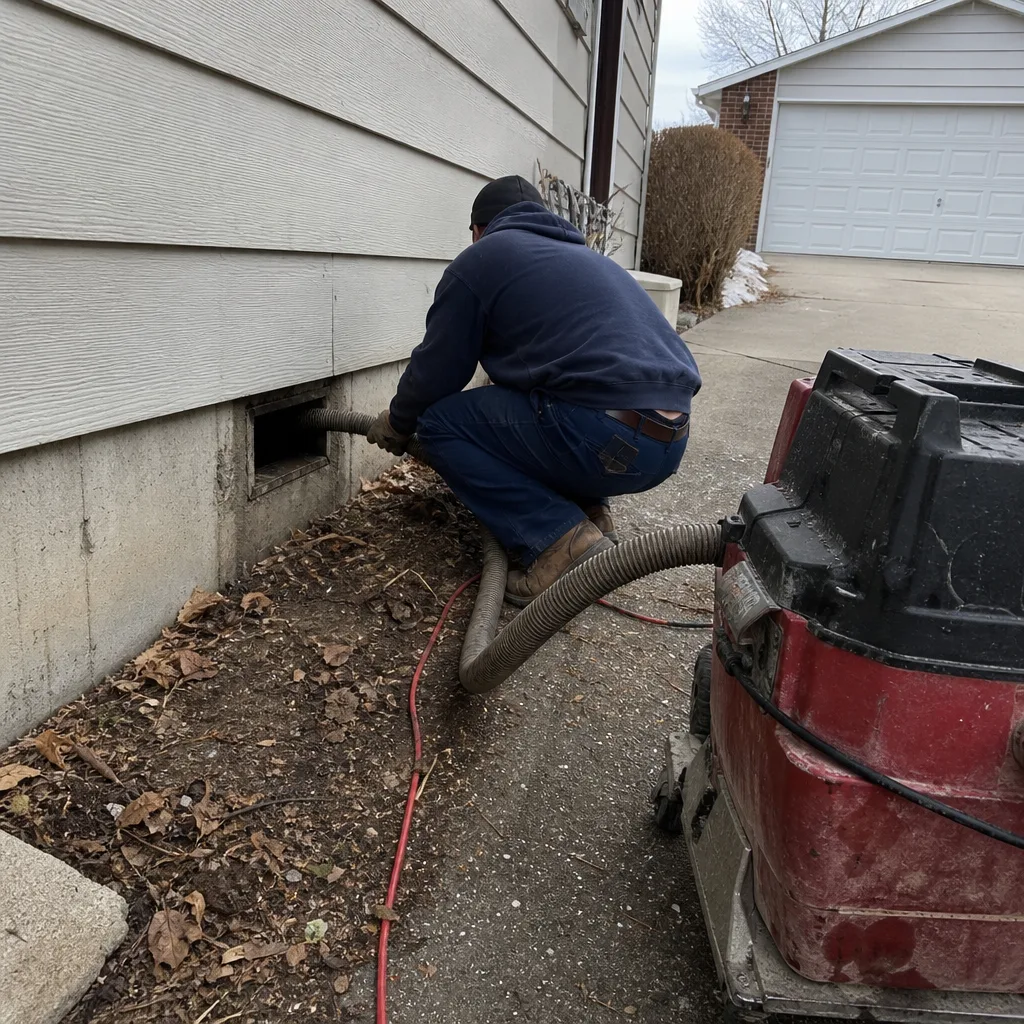 Before
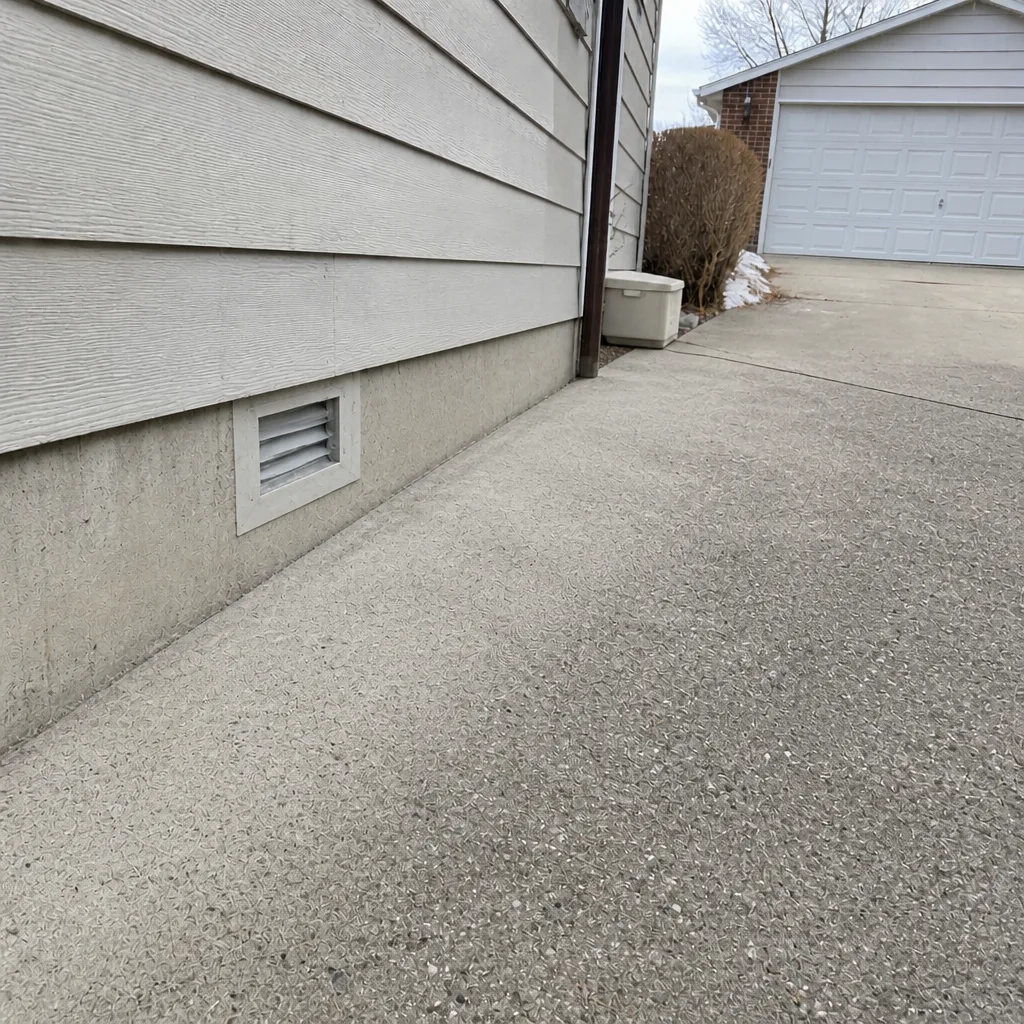 After
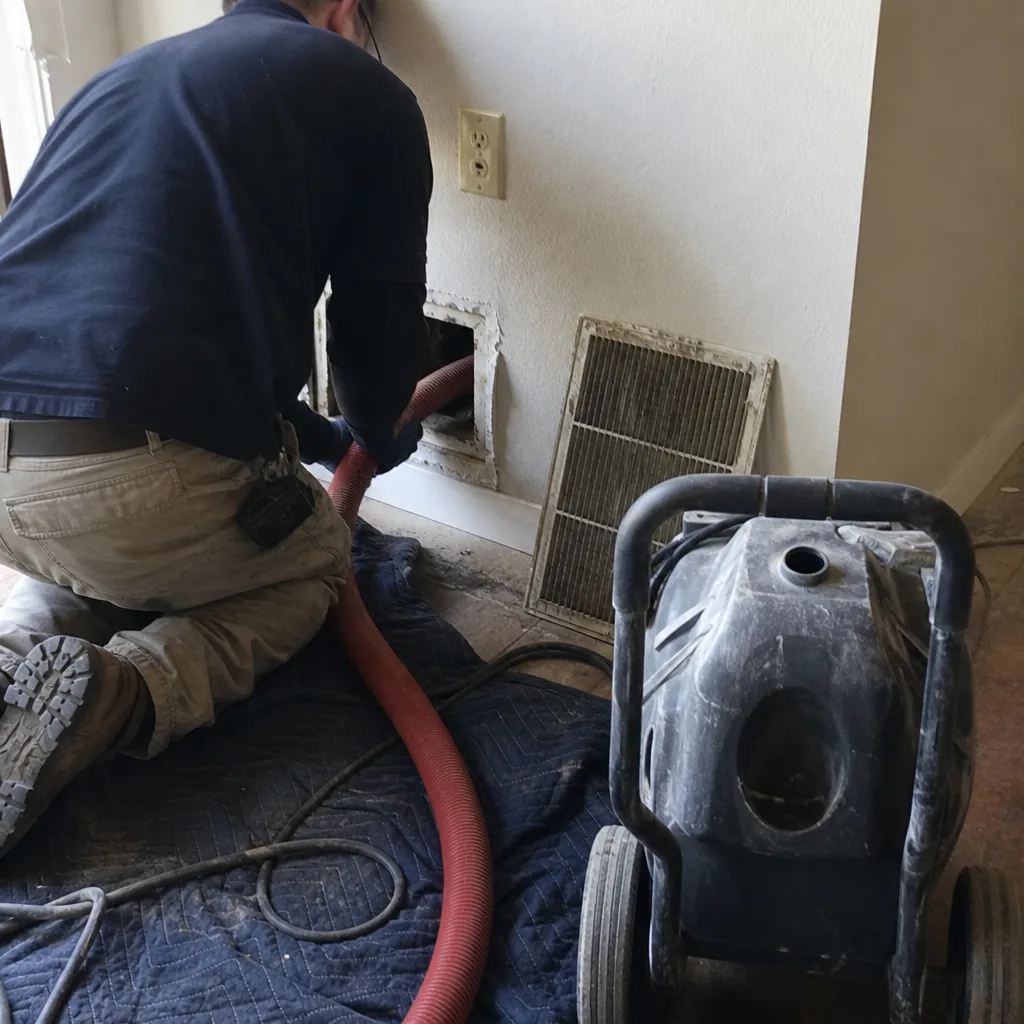 Before
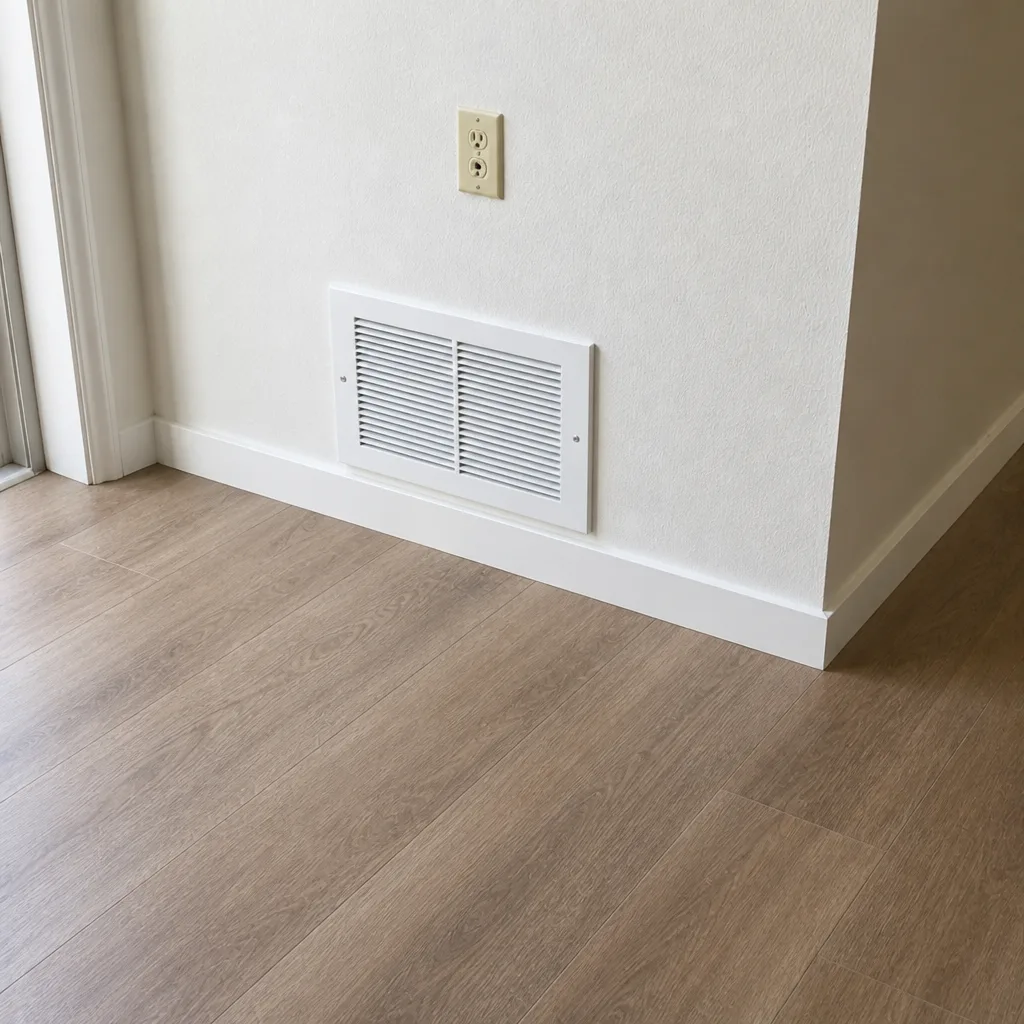 After
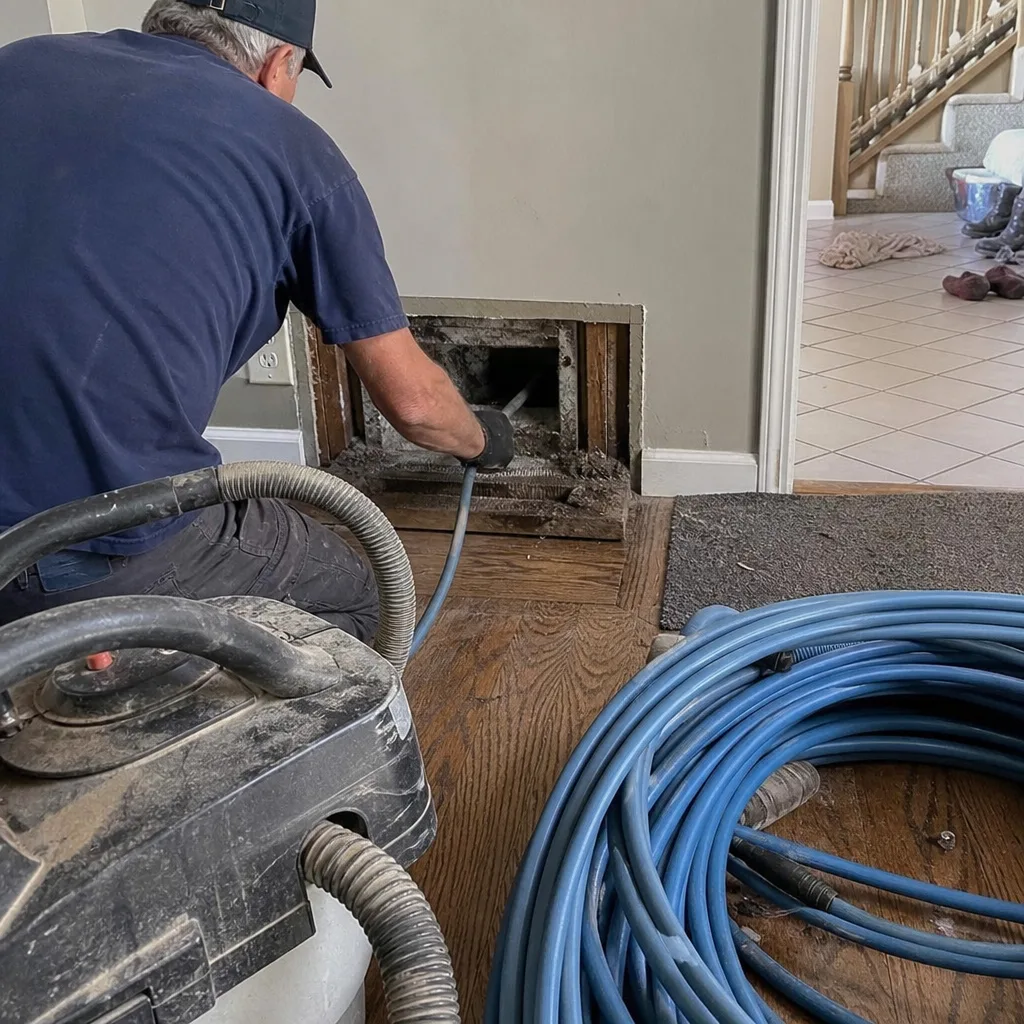 Before
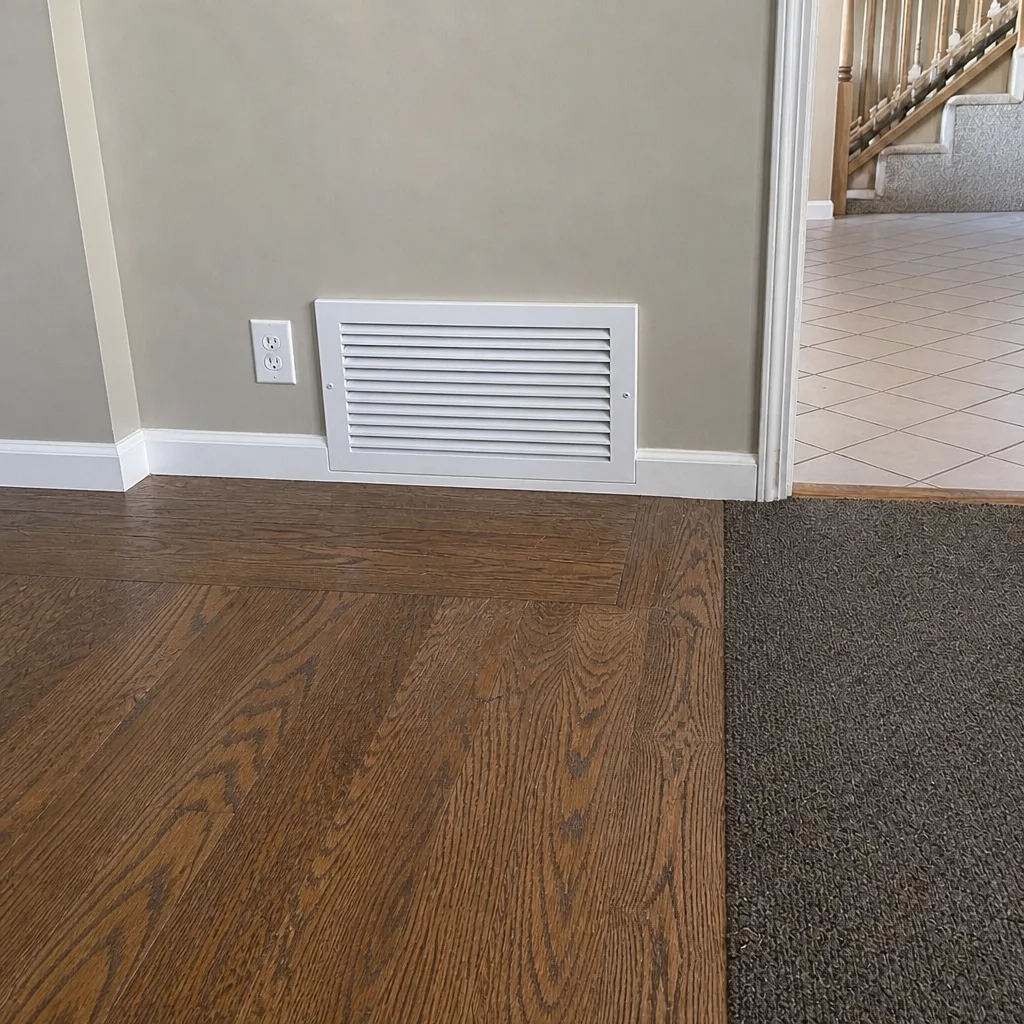 After
The Bottom Line
Hiring an air duct cleaning contractor in Brighton isn’t about finding a license to check, because there isn’t one. It’s about running the right conversation. Ask what equipment shows up, verify the certification claim, insist on a written scope of work, get a flat price per system agreed before work starts, and expect a report with before-and-after photos of your own ducts. Those five things filter out the van-and-vacuum operators and leave you talking to a specialist. If you’re ready to see what your system actually needs, we’re here to look. For a fuller picture of what we do, start with Brighton Air Duct Cleaning Pros.
Contact
If you’re ready to hire a duct cleaning contractor in Brighton, call (877) 770-1719 for a free estimate. We answer 24/7. Fast dispatch from 7am to 7pm, Sunday through Friday. One flat price per system is agreed before work starts, and it’s backed by before-and-after photos of your own ducts. Brighton Air Duct Cleaning Pros specializes only in indoor air quality: air duct cleaning, dryer vent cleaning, HVAC cleaning, duct repair and sealing, and air quality and sanitizing across the full system. Our technicians have up to 14 years of experience and use professional-grade equipment, not shortcuts.
Written by the team at Brighton Air Duct Cleaning Pros.